Hotel Demand Forecast Update Checklist

Revenue Management SOP for the Hotel industry

Use this Hotel Demand Forecast Update Checklist to train staff, test knowledge, run daily operations, and improve service consistency.

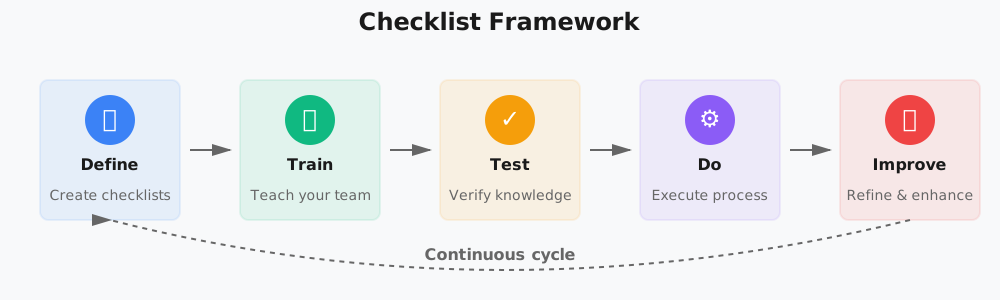
Checklist Framework: Define → Train → Test → Do → Manage

DEFINE MODE

Turn your Hotel Demand Forecast Update Checklist into a clear, step-by-step checklist anyone on your Revenue Management team can follow. This becomes your single source of truth across training, daily operations, and management. Start by using this ready-made SOP and roll it out immediately, then customize or refine it as you go.

Procedure

You can customize each step, add notes, set required fields, and define data capture requirements.
    State the property, stay-date range, snapshot time, preparer and whether the output is unconstrained demand, expected occupancy or another approved forecast. Do not silently switch definitions.
    Keep the prior date-level estimates and assumptions available for comparison. Identify which changes in this revision need explanation rather than overwriting the old numbers without a record.
    Check the snapshot for missing feeds, duplicate records and inconsistent statuses. Distinguish actual reservations, remaining group commitments and tentative leads so the same expected room nights are not counted twice.
    Compare equivalent snapshot intervals and relevant segments. Separate new bookings, cancellations, no-show assumptions and group releases where the data support it; do not treat gross additions as net demand.
    Match weekdays, seasonality and event timing where relevant. Note renovation, closure, unusual pricing or other constraints that make historical sales an incomplete guide to demand.
    Confirm event changes, group commitments and credible market information. Mark unconfirmed inputs as assumptions and avoid counting the same event effect in both group and transient estimates.
    Check planned out-of-order rooms and restrictions affecting availability. Keep the capacity-limited occupancy view separate from the unconstrained demand estimate; sold-out historical dates do not reveal all unmet demand.
    Update the affected dates and segments using the approved method. Record why each material change is justified and identify the largest uncertain inputs.
    Where inputs are weak, compare reasonable lower and higher cases rather than presenting a false certainty. Check that changes do not create unexplained jumps across adjacent dates or inconsistent totals.
    Explain changes versus the prior forecast and distinguish new evidence from judgment. Obtain the required approval before replacing the planning version or directing rate and staffing actions.
    Share the dated version with the relevant teams, preserving access controls. Record what evidence will trigger an earlier update, and later compare the appropriate forecast output with actual results to learn from errors.

Views

0

Uses

0

Rating

0.0 ⭐

Introduction

Use this hotel demand forecast checklist to update future room-demand expectations from on-the-books reservations, pickup, cancellations, group changes and market events. Record the assumptions behind each material revision and keep demand estimates distinct from the occupancy the hotel can actually accommodate.

You can also preview a Hotel Demand Forecast Update Checklist Quiz

Details

Name the forecast before changing it

Unconstrained demand estimates how much demand could exist without the hotel's selling constraints. Expected occupancy is limited by the rooms the property can offer and the commercial decisions it makes. These are related but different outputs. Do not label a capacity-capped occupancy number as unrestricted market demand.

Match the comparison to booking lead time

Compare snapshots taken at equivalent lead times and account for weekday patterns and events. A recurring event that moves dates can distort a simple same-date last-year comparison. Net pickup is useful, but cancellations, group releases and new bookings may explain why the net figure changed.

Make uncertainty visible

Keep evidence separate from assumptions. A new event announcement may justify a scenario or closer monitoring, not an automatic full-house forecast. Where data are sparse, record a plausible range and what would move the estimate. Do not smooth away a sellout or closure without acknowledging that constrained sales may conceal demand.

Use this checklist

Save a Checklist for each forecast revision or a Template for the recurring cycle. Record the version and assumptions, then pass approved changes to the relevant planning teams. Download PDF, Excel or Word from the available download options.

Hotel Demand Forecast Update Checklist Frequently Asked Questions

Is a demand forecast the same as an occupancy forecast?

No. Unconstrained demand estimates potential demand without selling or capacity constraints. An occupancy forecast reflects expected occupied rooms under the property's capacity and commercial conditions. Label the output clearly.

Should a sold-out date be used as the full measure of demand?

Not without qualification. Sales at capacity do not show how many additional bookings might have been possible. Record the constraint and use the property's approved forecasting method.

How should group blocks be handled?

Distinguish rooms already reserved, remaining committed inventory and tentative business. Apply the approved assumptions for pickup and release without counting the same room nights twice.

How often should the forecast be updated?

Use the property's review cycle and booking horizon. Material changes such as event cancellations, group releases or inventory outages may justify an earlier update; there is no single frequency appropriate to every hotel.

Suggest Improvements

Want your Revenue Management to use this SOP in daily operations?
Save it as a checklist or reusable template for your team.