
Client Project Handover
A reusable client handover process for checking final versions, transferring usable access, recording acceptance and assigning remaining work.

Management · Templates
Featured checklist
A reusable client handover process for checking final versions, transferring usable access, recording acceptance and assigning remaining work.
82 templates
Coordinate scope and milestones, then verify what the receiving team can use.
A reusable client handover process for checking final versions, transferring usable access, recording acceptance and assigning remaining work.

Define project scope, assign responsibilities, track milestones and manage risks.

Enhance your project efficiency with this Agile checklist. Streamline your process and collaborate effectively with your team.
Agree responsibilities and prepare employees, contractors and training sessions.

Agree the result, responsibilities, authority and resources before handing work over, then plan progress checks and feedback.

Prepare equipment and paperwork, plan first-week training and introductions, and schedule check-ins through the first month.
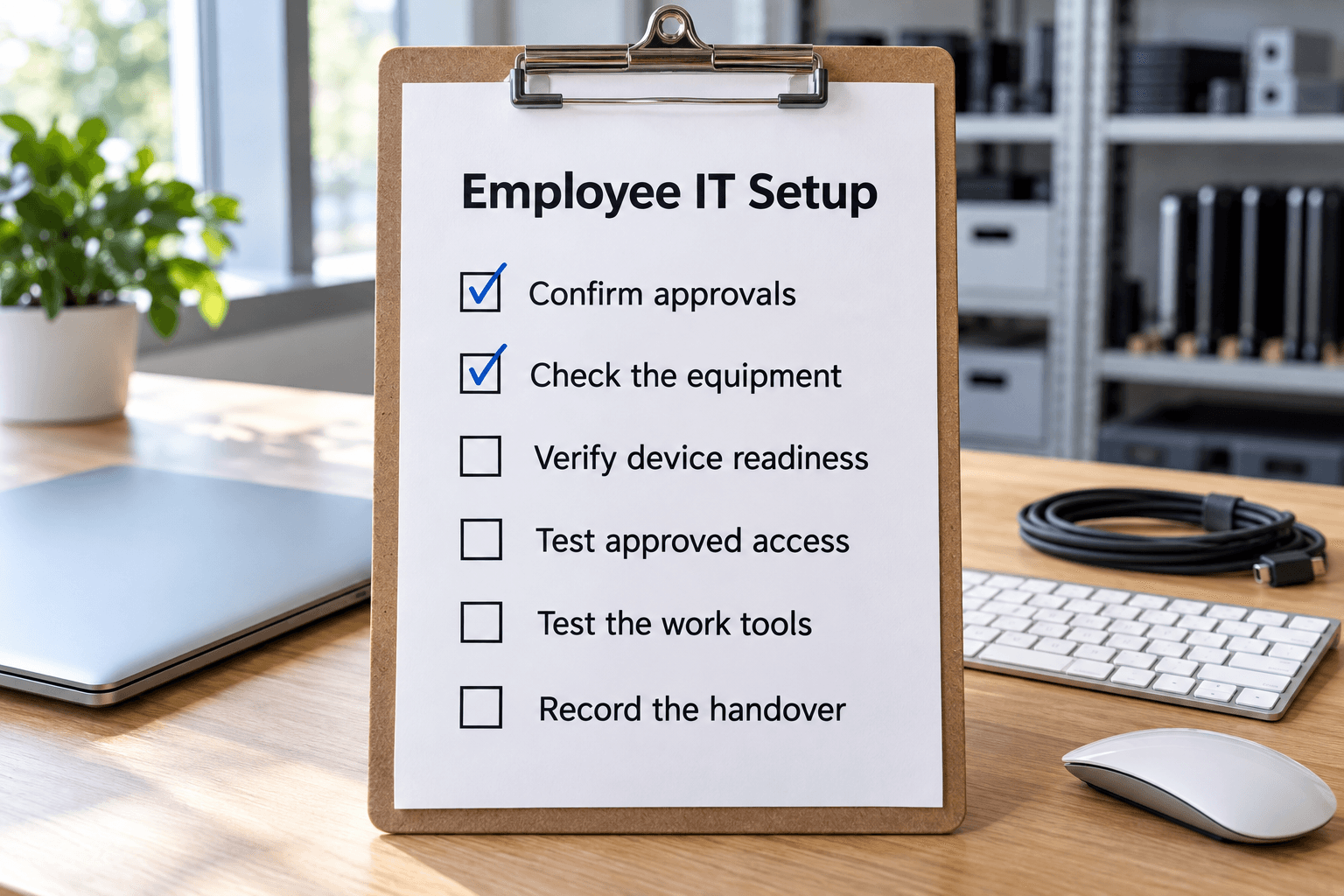
Check that the assigned equipment and approved access are ready for a new hire to do their first day’s work.

Confirm a contractor’s approved role, explain site arrangements and check understanding before permitted work begins.

Confirm people, approved materials, participant access and delivery equipment before a teaching or training session.
Organize a meeting and gather the information behind a business plan or startup.

Set the meeting's purpose and agenda, guide the discussion, record commitments and follow up on decisions and next steps.

Organize market research, financial information and the core elements of your business plan.

Kickstart your business journey with this comprehensive checklist. Navigate every critical step from planning to launching with ease.
Record a stocktake, hand over a production shift and review business-system access.
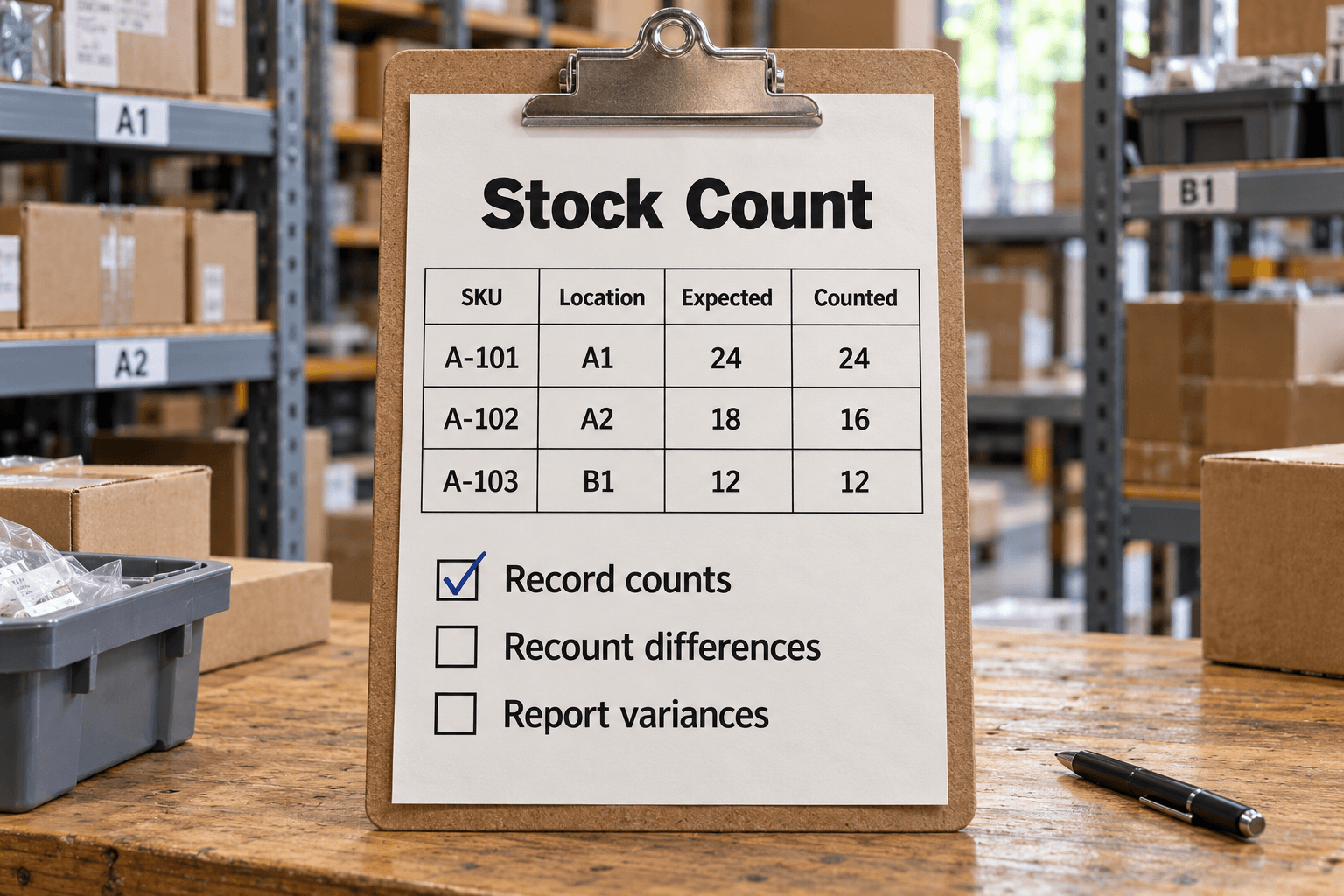
A stocktake and cycle-count record for preserving physical observations, investigating differences and documenting authorized inventory adjustments.

Reconcile output, work in progress, equipment restrictions and held product with the incoming production lead.
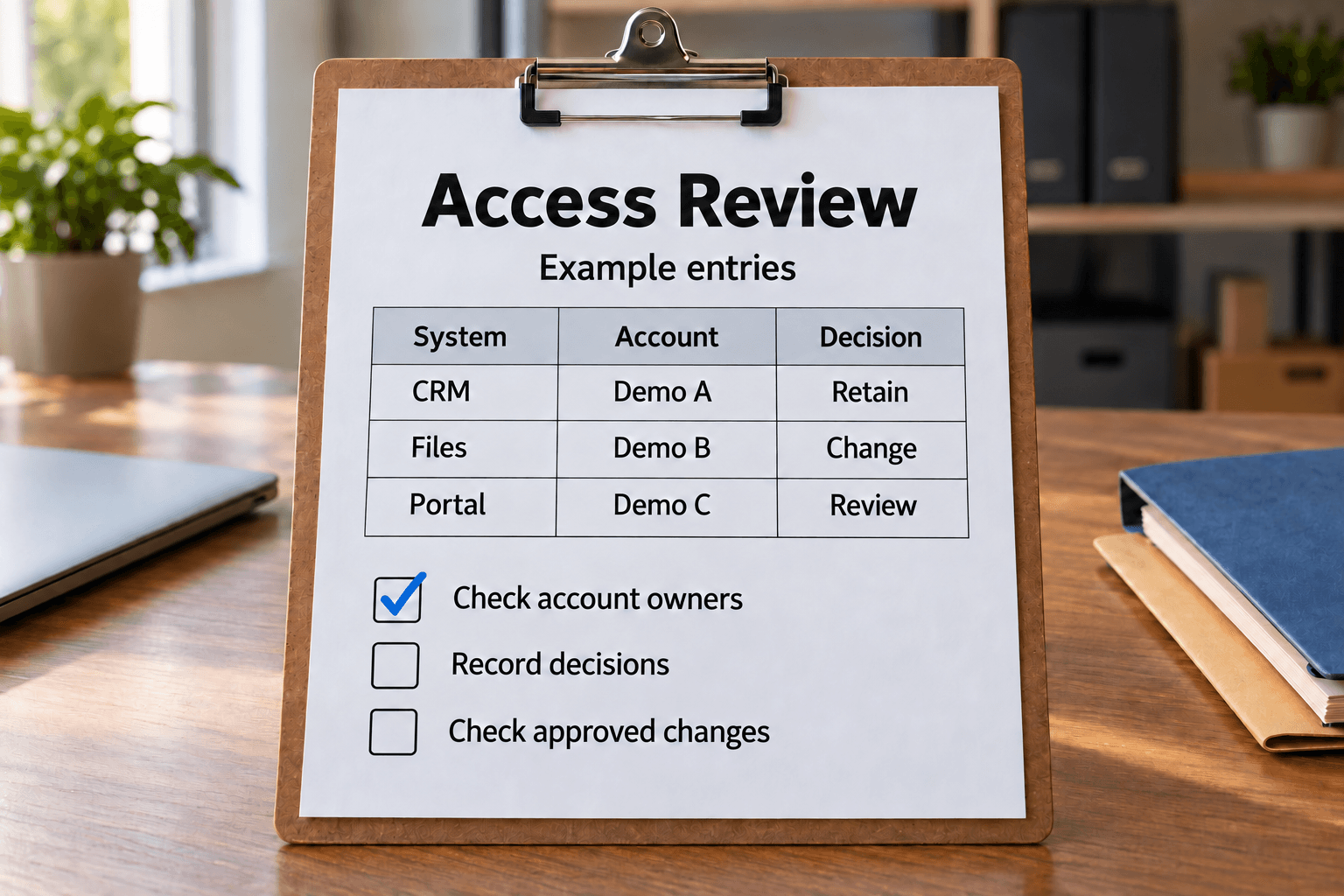
Review who can use each business system
A task name alone rarely tells someone enough to take over. Use the delegation checklist to prepare the conversation, then record four practical agreements:
Match the review points to the work. A first draft may reveal a misunderstanding earlier than a status update. For a new employee, the onboarding checklist connects preparation by HR and IT with introductions, training and later check-ins.
The client project handover checklist goes beyond sending the final files. Its Form captures versions, receiving owners, access-test results, outstanding work and the client's recorded decision. List and Play are also enabled for preparation and a guided review. Tailor the starter deliverable group before use so every promised item has its own checks.
Keep receipt and acceptance separate: confirming that a client received a file does not establish that it passed the agreed checks. Leave unresolved work visible with an owner and next action. Link to the approved source files and records rather than storing passwords in the checklist.
Save a selected page as a Checklist for the work you are doing now. For a process you will use again, such as onboarding each new hire or handing over each client project, save it as a Template, adapt the standard steps and start a separate checklist for each occasion. Each run keeps its own progress.
In a Pro workspace, task assignments help identify who is responsible, and custom fields can capture information your team needs beyond the standard task details. Invite people with the appropriate access before assigning work. Play guides an existing checklist step by step and is available on every plan; the views offered depend on the template's configuration.