Housekeeping SOP for the Hotel industry

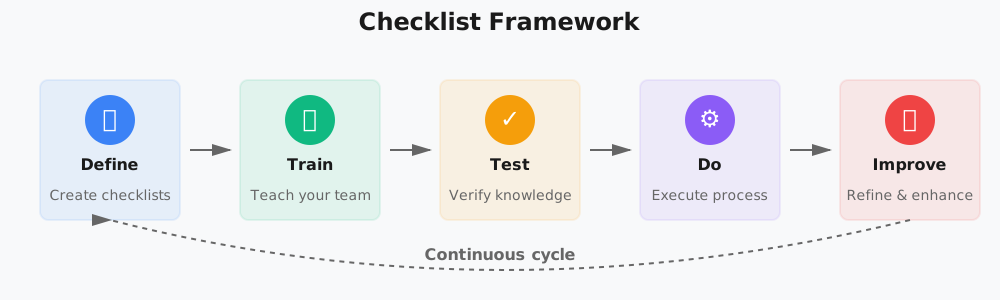
Use this Hotel Room Inspection Procedure to train staff, test knowledge, run daily operations, and improve service consistency.

Checklist Framework: Define → Train → Test → Do → Manage

DEFINE MODE

Turn your Hotel Room Inspection Procedure into a clear, step-by-step checklist anyone on your Housekeeping team can follow. This becomes your single source of truth across training, daily operations, and management. Start by using this ready-made SOP and roll it out immediately, then customize or refine it as you go.

Procedure

You can customize each step, add notes, set required fields, and define data capture requirements.
    Use the room number or internal reference, not a guest name or booking document.
    Check the cleaning handoff, outstanding maintenance and current room status. Resolve conflicting occupancy information before entry.
    Verify access is authorized and observe privacy indicators. Do not assume that a room listed as vacant is empty. If access is refused or uncertain, stop and report the discrepancy.
    Check normal operation of the door, lock and latch as trained. Look for damage or a failure to close securely. Escalate security defects immediately; do not attempt unauthorized repairs.
    Inspect closures and privacy coverings; check any accessible balcony according to the hotel’s inspection standard. Do not bypass window restrictors or lean over barriers.
    Check for wet floors, trip hazards, exposed wiring, unusual odors, signs of pests and visible damage or obstruction of safety equipment. Report concerns; do not disable alarms or undertake specialist testing.
    Check dust, hair, residue and marks on visible surfaces, handles, switches and supplied remotes. Include edges and accessible areas that a quick doorway glance misses.
    Confirm the bed arrangement matches the room standard. Look for stains, damage, hair or damp linen. Refer suspected contamination or pest signs for the hotel’s response instead of concealing them.
    Check cleanliness, stability and damage. In this vacant-room inspection, look for items left behind without opening personal bags or containers. Use the hotel’s lost-property process for discoveries.
    Use normal guest controls to check lights, television, remote and other supplied equipment. Look for damaged fittings or cables. Do not dismantle electrical equipment.
    Confirm controls respond under the hotel’s checking method; note unusual noise, odor or airflow. Restore the approved room setting after the check.
    Look closely at the toilet, basin, shower or bath, mirror, floor and accessible fittings for residue, hair, marks and standing water.
    Check normal operation for leaks, flushing and drainage according to property instructions. Escalate water-temperature concerns using the approved testing method, not an improvised test.
    Compare quantities and condition with the room standard. Check packaging and any applicable expiry dates; replace missing or unsuitable stock through the attendant.
    Check the kettle, refrigerator or minibar only where supplied, using the property’s method. Confirm guest information and emergency instructions are present, readable and current.
    Add each defect to the affected task’s notes or issue record. Identify the exact location and hand off to housekeeping, maintenance or the duty supervisor. Include an internal work reference if used; avoid guest personal details.
    Verify the actual correction, not merely that somebody reported it done. If work remains, keep the failed check unresolved and select a held outcome below.
    Ensure tools and inspection materials are removed, the approved setup is restored, and the door secures when you leave. Do not use a completed cleaning record as a substitute for this final check.
    Ready means the required checks passed. Ready after correction means rework was completed and rechecked. Held means outstanding work prevents release. Not completed means access or another interruption prevented the inspection.
    Pass the room identifier, readiness decision and any unresolved work to the authorized room-status owner. Update the hotel’s approved system or log separately; this checklist does not change room availability automatically.

Views

0

Uses

0

Rating

0.0 ⭐

Introduction

A hotel room inspection checks whether a cleaned room is ready for the next guest. This procedure is for supervisors or designated inspectors: verify presentation and working amenities, identify defects, and decide whether the room can be released or must remain on hold. Save it as a checklist for one inspection or as a template for repeated use.

You can also preview a Hotel Room Inspection Procedure Quiz

Details

Cleaning complete is not the same as guest-ready

The attendant’s cleaning handoff starts this inspection; it does not replace it. Inspect in a consistent route through the bedroom and bathroom so hidden storage, supplied appliances and final security checks are not missed. Adapt the checks to the actual room type before use. A room without a minibar does not need a minibar inspection.

Turn a defect into a clear handoff

Describe what failed and where, not just “room needs attention.” Use the affected task’s notes or issue record for the problem, the person or team handling it, and any reference used by the hotel. A missing towel and a damaged door lock need different responses. Do not release a room with unresolved safety or security concerns.

When a correction is reported complete, revisit the affected check. Cleaning rework needs inspection just as maintenance work does. Keep the room held until the required checks meet the property’s release standard and an authorized person approves its status.

Use the inspection in your team

Before saving a reusable template, remove amenities your rooms do not have and add property-specific standards. In each inspection, record the room identifier, work through the checks, and select the final outcome at the end. Updating this checklist does not update the hotel’s room-status system; make the separate handoff to the responsible colleague.

For a short knowledge check after training, use the matching room inspection procedure quiz.

Hotel Room Inspection Procedure Frequently Asked Questions

What should a hotel room inspection cover?

It should cover entry and security, bedroom presentation, bathroom cleanliness and function, supplied amenities, unresolved defects, and the final readiness decision. The checklist should match the room type and the property’s release standards.

Who should inspect a hotel room after cleaning?

A supervisor or another person designated by the hotel should verify the room. The person authorized to change its availability may be different; record and communicate the result through the hotel’s room-status process.

What happens when a room fails inspection?

Record the failed item and required correction, notify the responsible team, and keep the room held where the defect prevents release. Reinspect the correction before recording the final readiness decision.

Is a room inspection the same as a cleaning checklist?

No. Cleaning is the work of preparing the room. Inspection checks the result and decides whether it meets the required standard. This procedure does not replace the attendant’s cleaning instructions or specialist safety inspections.

Suggest Improvements

Want your Housekeeping to use this SOP in daily operations?
Save it as a checklist or reusable template for your team.