Housekeeping SOP for the Hotel industry

Use this Hotel Room Cleaning Procedure to train staff, test knowledge, run daily operations, and improve service consistency.

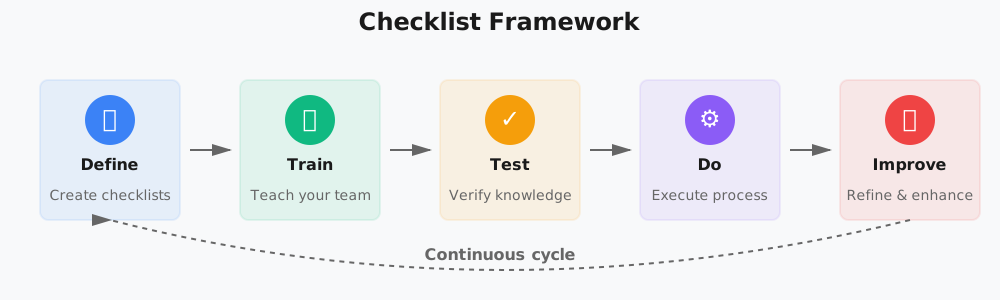
Checklist Framework: Define → Train → Test → Do → Manage

DEFINE MODE

Turn your Hotel Room Cleaning Procedure into a clear, step-by-step checklist anyone on your Housekeeping team can follow. This becomes your single source of truth across training, daily operations, and management. Start by using this ready-made SOP and roll it out immediately, then customize or refine it as you go.

Procedure

You can customize each step, add notes, set required fields, and define data capture requirements.
    Record a room or work-order reference. Check the current housekeeping assignment and confirm that checkout is complete before starting. A vacant-looking room is not proof that the guest has left.
    Take the correct linen, towels, amenities and serviceable equipment for this room type. Keep clean stock separate from waste and used linen. Check product labels and required protective equipment before handling chemicals; report damaged equipment instead of using it.
    Announce housekeeping and follow the property’s knock, wait and entry rules. If a guest responds, a privacy sign is present or room status conflicts with what you find, stop and confirm permission with the responsible team. Position the trolley without blocking the corridor or an escape route; secure access and keys throughout the work.
    Look before touching bedding, bins or furniture. Handle ordinary left property through the hotel’s lost-and-found process, not as rubbish. Do not reach blindly into waste or pick up sharps. Stop and report suspicious items, bodily-fluid contamination or signs of pests for the trained response required by the property.
    Empty ordinary waste safely, replace liners and send used crockery or room-service equipment to the designated collection point. Do not compact bags by hand. Keep food-service items away from bathroom cleaning tools; use the approved process for anything hazardous.
    Remove used bedding and towels without shaking them. Keep them off clean surfaces and separate from fresh linen. Inspect the mattress, protectors and pillows for stains, damage or pest signs; report concerns rather than covering them with clean sheets.
    Remove or change contaminated gloves as required and clean your hands before handling fresh linen or room supplies. Set out separate cloths and tools for bathroom, toilet and bedroom surfaces using the property’s system. Never carry a toilet-cleaning cloth into the bedroom.
    Remove dust and visible soil from reachable ledges, furniture, bedside tables, wardrobes and luggage areas. Work systematically around the room so surfaces are not missed. Use surface-compatible products and the approved safe-access method; do not climb on guest furniture.
    Include door handles, switches, controls, telephone and remote control. Follow manufacturer instructions around electrical items; do not spray into openings. Check lighting and other fixtures using normal controls, report faults and do not attempt repairs outside your role. Disinfect where the property requires it, following the product label.
    Remove previous guest items under property policy and clean the designated refreshment surfaces and equipment with suitable products. Replace cups or glassware through the hotel’s approved clean-service process, not with a bathroom cloth. Replenish the specified supplies and report minibar exceptions through the assigned process if applicable.
    Use the correct size and property-approved bed setup. Reject stained, torn or damp linen. Keep fresh linen off the floor and separate from used items. Check that the mattress protector, sheets, pillows and covers are clean and arranged correctly; use the bed-making procedure for the detailed technique.
    Clean basin, taps, shower or bath, handles, mirror and other fittings using surface-compatible products. Remove visible soil before any required disinfection. Follow the label’s dilution, ventilation, contact time and rinsing instructions; keep a disinfected surface wet for the required contact time. Never mix products.
    Use only the designated toilet tools and cloths. Clean the bowl and exterior touchpoints using the approved products and method, then segregate the used tools. Prevent splashes onto already cleaned surfaces and follow the property’s hand-hygiene and glove-change procedure afterward.
    Use clean hands or the required clean protective equipment. Match the approved room standard and quantities rather than guessing a universal number. Check packaging and dispensers for damage or contamination; do not top up products unless the property’s approved method allows it. Record shortages that cannot be resolved.
    After the other cleaning work, vacuum or clean the bedroom floor and clean the bathroom floor with appropriate equipment. Include accessible edges and the area around furniture without unsafe lifting. Work toward the exit and prevent entry onto slippery surfaces while floors dry.
    Check from the guest’s viewpoint: bed and surfaces clean, bathroom free of visible residue or hair, supplies complete, furnishings reset and no cleaning tools, chemicals or rubbish left behind. Recheck any area touched during replenishment. Follow the property standard for lights, climate controls, windows and curtains; report unexplained odours instead of masking them.
    Choose the outcome and record any unfinished task, shortage or defect against the relevant step. Notify the responsible supervisor through the property’s reporting channel. Update housekeeping status only within your authority; a cleaned room must still meet the property’s inspection and release requirements.
    Check that the room is secure under the property’s procedure, return keys to the authorized holder and move soiled items to their designated collection points. Clean and reset reusable equipment before the next room, keeping used materials away from clean stock. Do not leave a room with an unresolved safety issue available for guest use.

Views

0

Uses

0

Rating

0.0 ⭐

Introduction

A hotel departure-room clean prepares a checked-out room for the next guest. This room cleaning procedure covers safe entry, removal of used items, bedroom and bathroom cleaning, fresh linen, replenishment and a clear handoff. Use it as a practical checklist, then adapt the room setup and products to your hotel’s standards.

You can also preview a Hotel Room Cleaning Procedure Quiz

Details

A departure clean is not a deep clean

This SOP is for a room after confirmed checkout. Occupied-room service requires different permission and guest-property rules; periodic deep cleaning adds planned work beyond an ordinary turnover. Do not use a departure checklist to override a privacy sign or an uncertain room status.

Keep cleaning and room release separate

An attendant can finish cleaning while a maintenance fault or missing item still prevents guest use. Record that exception and tell the responsible supervisor. A completed checklist is not, by itself, permission to change the room to ready for sale. Use the room inspection procedure for the final readiness decision.

Use this procedure in Checklist.com

Save as a Checklist for one departure room, or as a reusable Template for repeated room cleans. Customize product instructions, supply quantities and reporting contacts before using it with staff. Record a room reference rather than guest details, work through the steps in Form view, and use task notes or Issues where enabled to explain exceptions. The final outcome distinguishes a completed clean from work that needs follow-up.

For detailed preparation and technique, use housekeeping trolley setup and the bed-making procedure. Handle items left behind through your hotel’s lost-and-found procedure. After training, check understanding with the room cleaning procedure quiz.

Hotel Room Cleaning Procedure Frequently Asked Questions

What is the correct order for cleaning a hotel room?

Confirm departure and entry permission first, then check for hazards and left property. Remove used items, keep dirty and clean materials separate, clean surfaces and the bathroom, make and replenish the room, and clean floors after the other work. Finish with a room check, exception report and secure handoff. Adapt the sequence to product instructions and the hotel’s approved method.

How long should a departure-room clean take?

There is no single time that suits every hotel room. Room size, bed configuration, condition and required service affect the work. Set the expected time through the property’s operating standards without cutting product contact times, safety checks or required cleaning steps.

Does completing this checklist mean the room is ready for a guest?

Not automatically. Cleaning, inspection and releasing room availability may belong to different staff. Record unresolved defects or shortages and follow the hotel’s authorized room-status process before the room is assigned to another guest.

What should an attendant do if a guest’s belongings remain?

Do not assume they are rubbish or proof of checkout. Verify room status and use the hotel’s lost-and-found process for property left after departure. Stop and contact the responsible team if the room appears occupied or the status is uncertain.

Suggest Improvements

Want your Housekeeping to use this SOP in daily operations?
Save it as a checklist or reusable template for your team.