
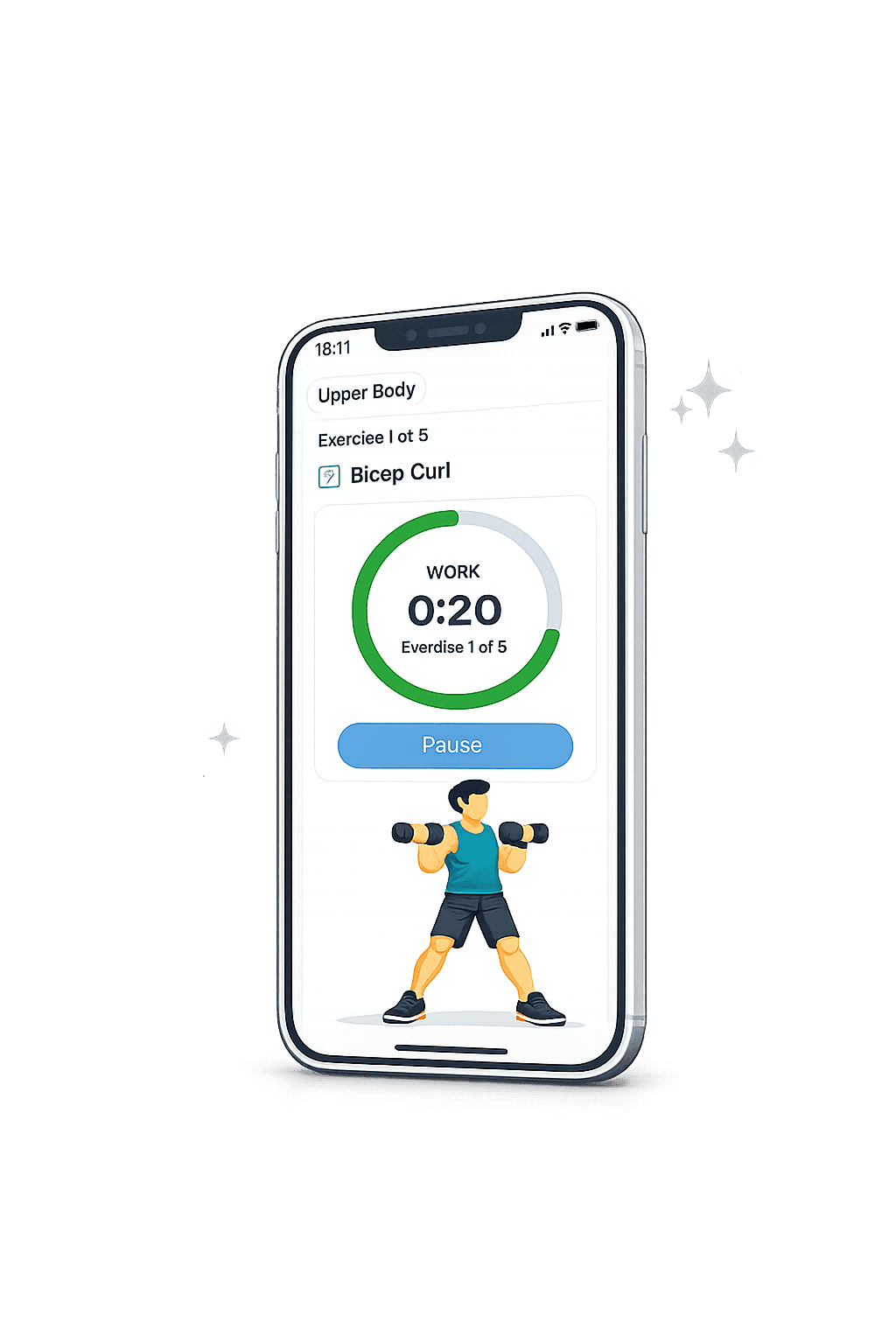
Your checklist
No exercises selected yet
Choose a preset above or add exercises from the list below.
Choose more exercises
Add optional exercises to your routine.
49 exercises currently match
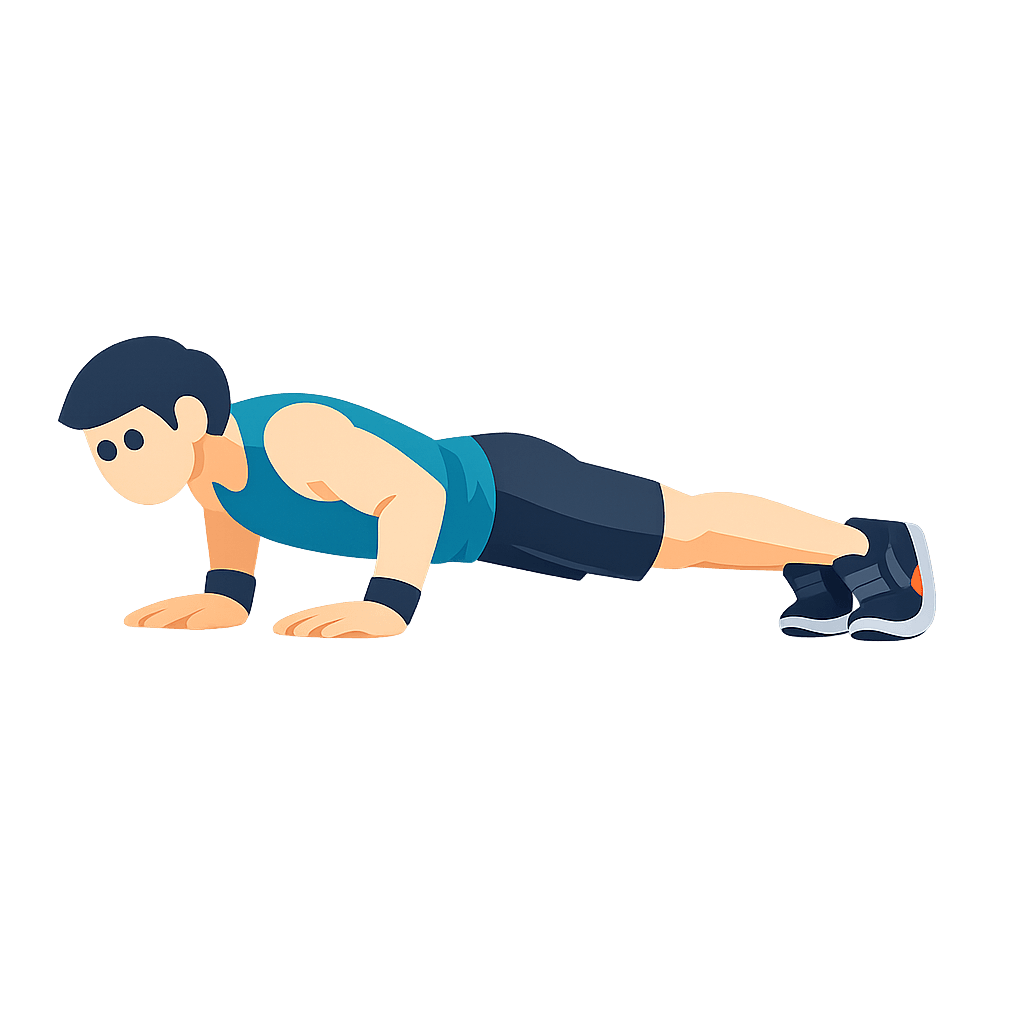
Push-Ups
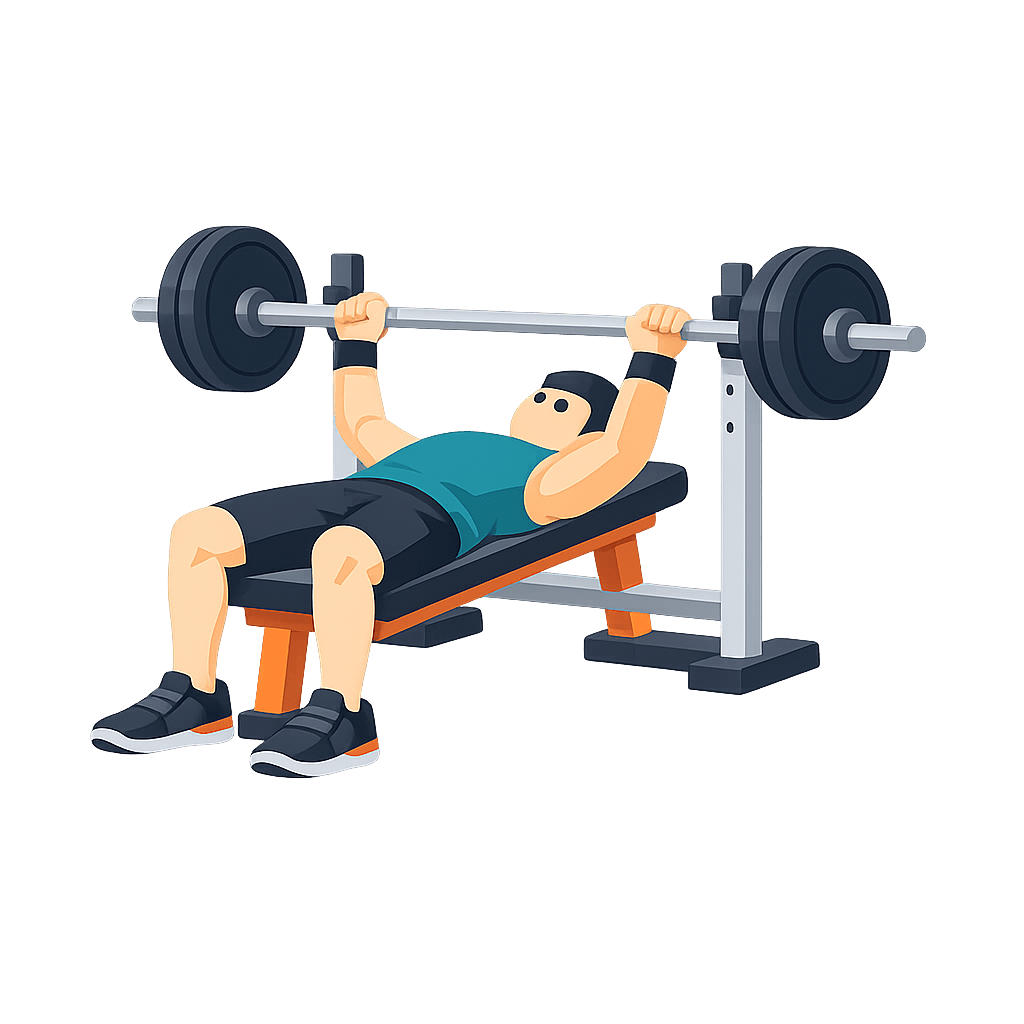
Bench Press
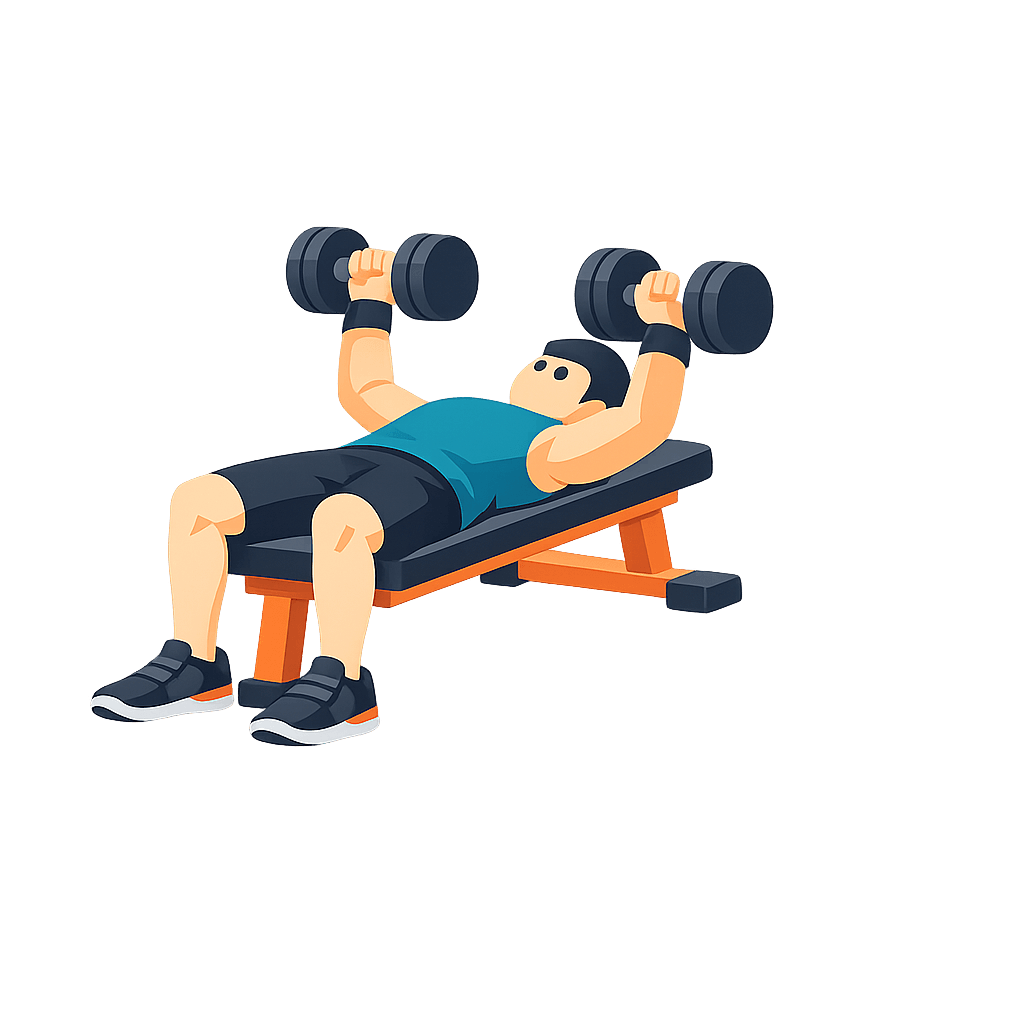
Dumbbell Bench Press
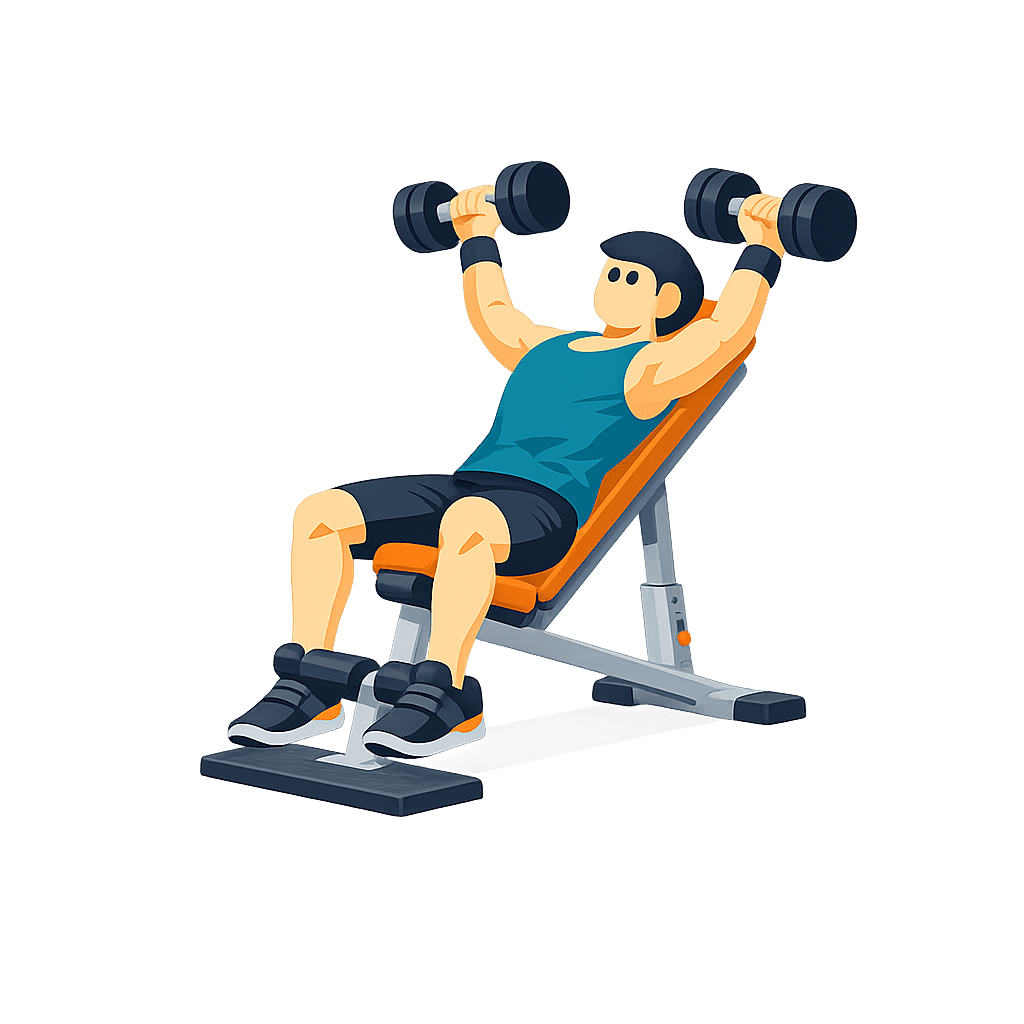
Incline Dumbbell Press
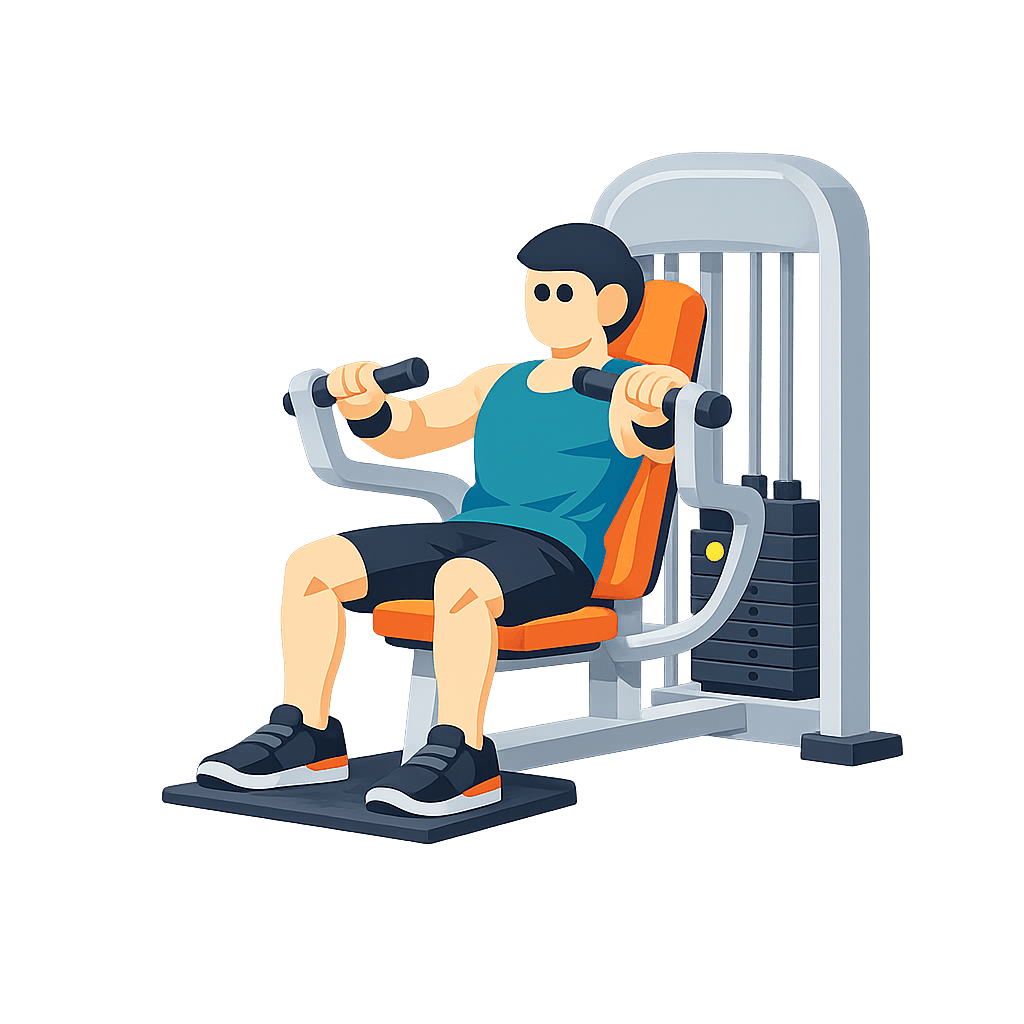
Chest Press Machine
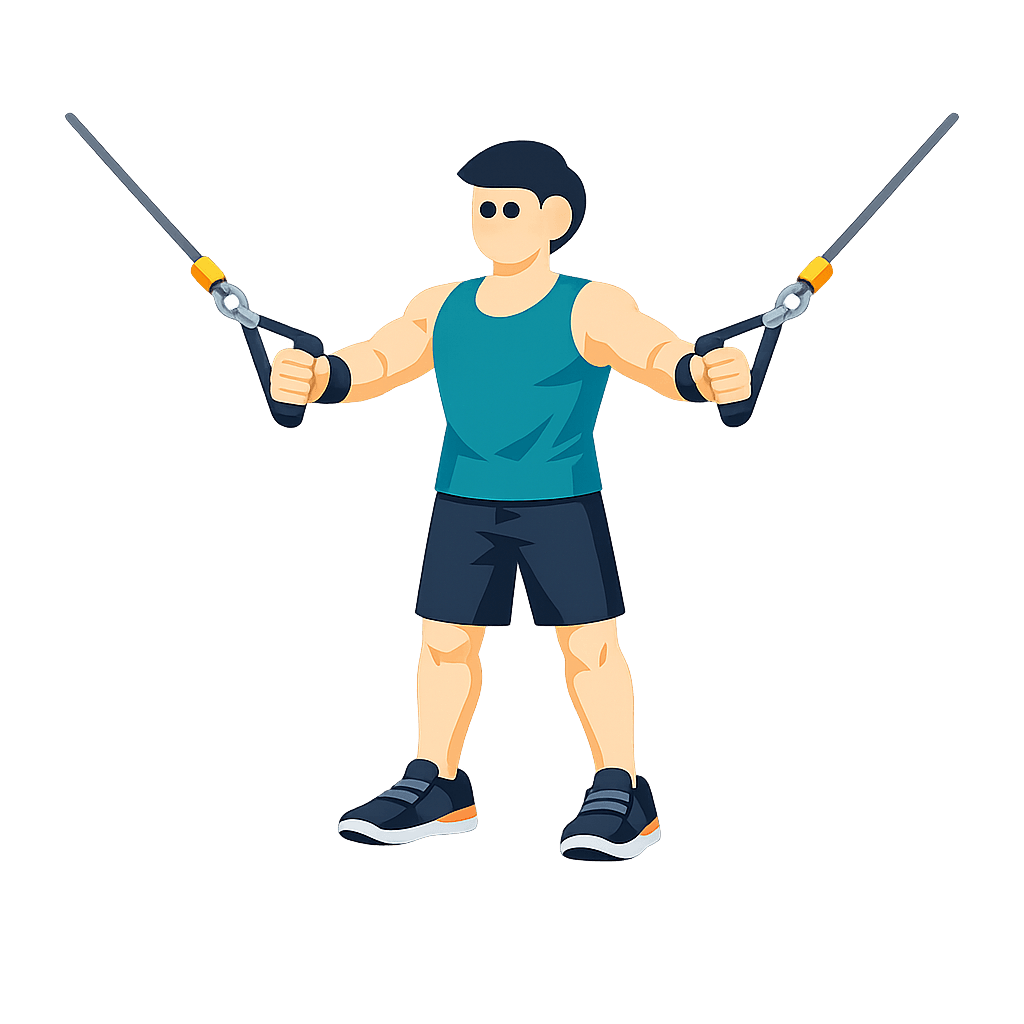
Cable Chest Fly
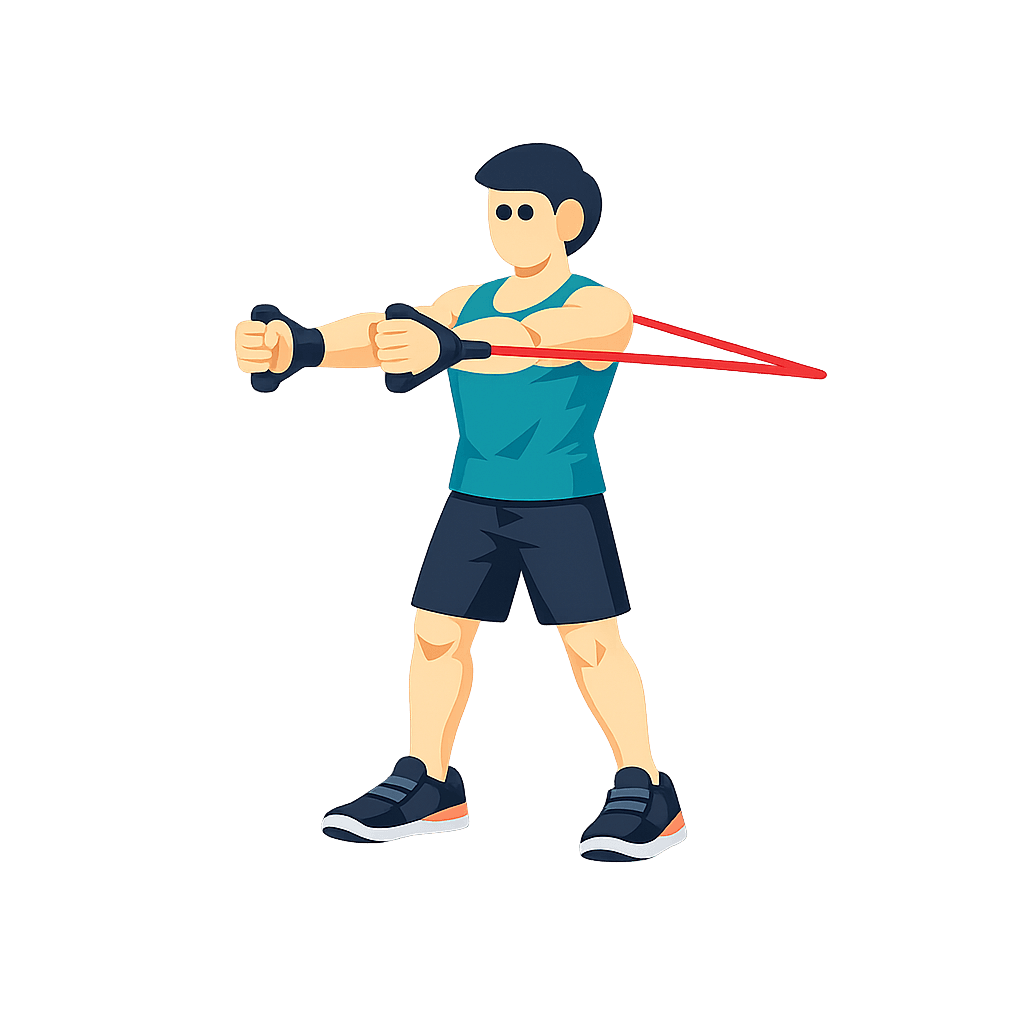
Band Chest Press
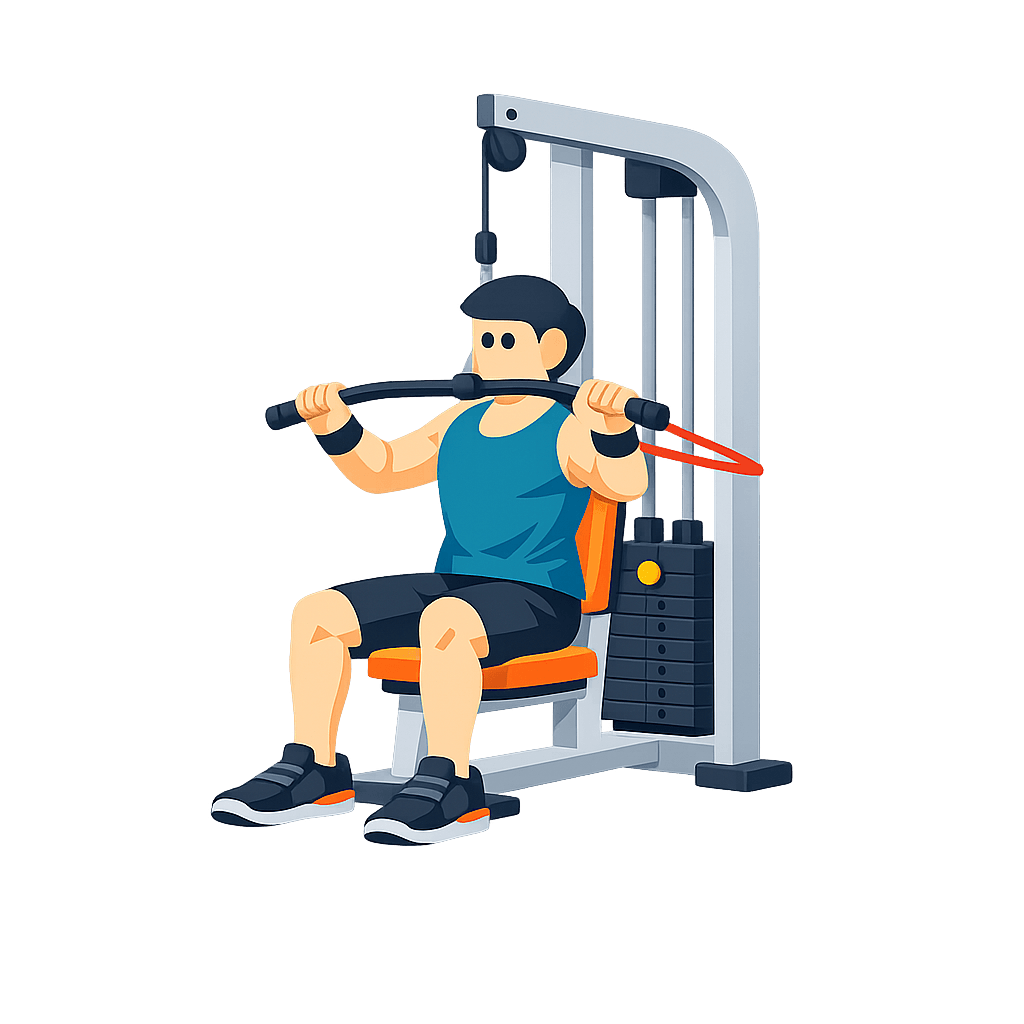
Lat Pulldown
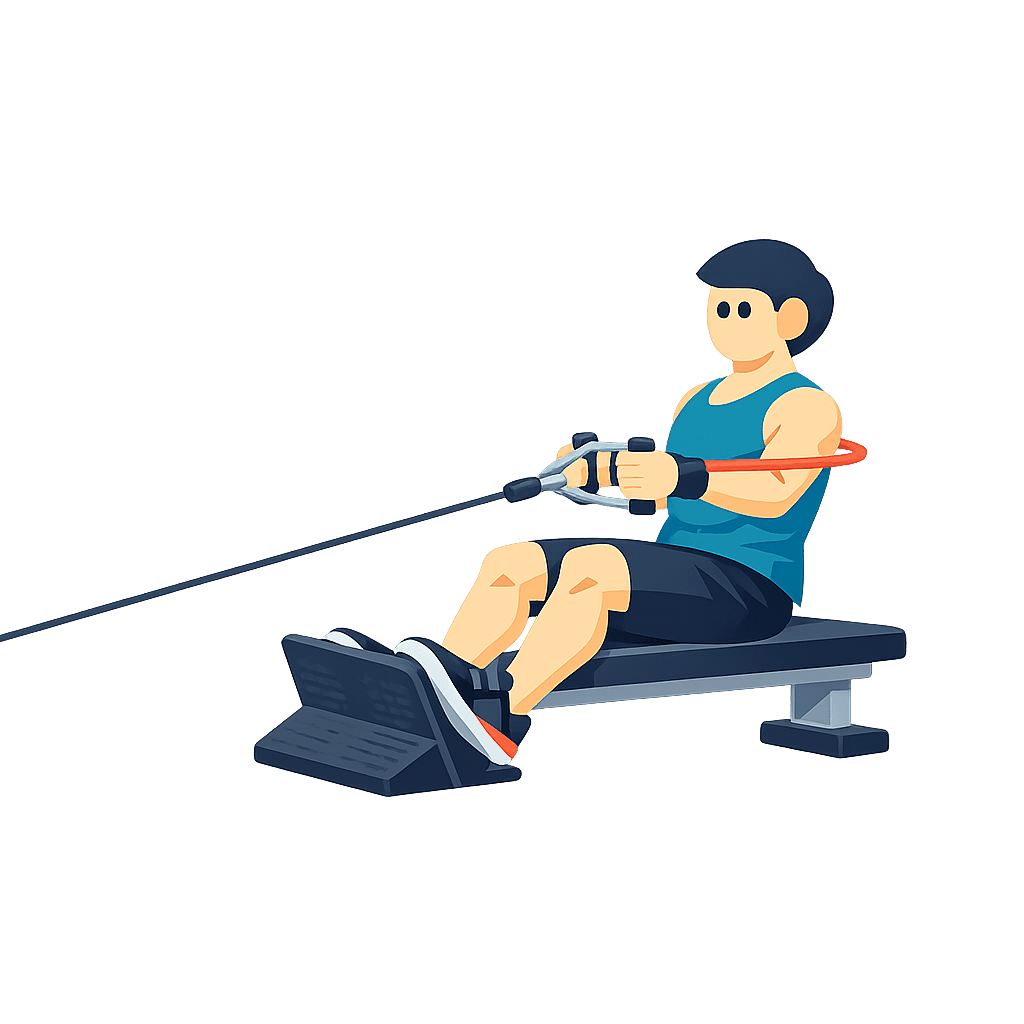
Seated Cable Row
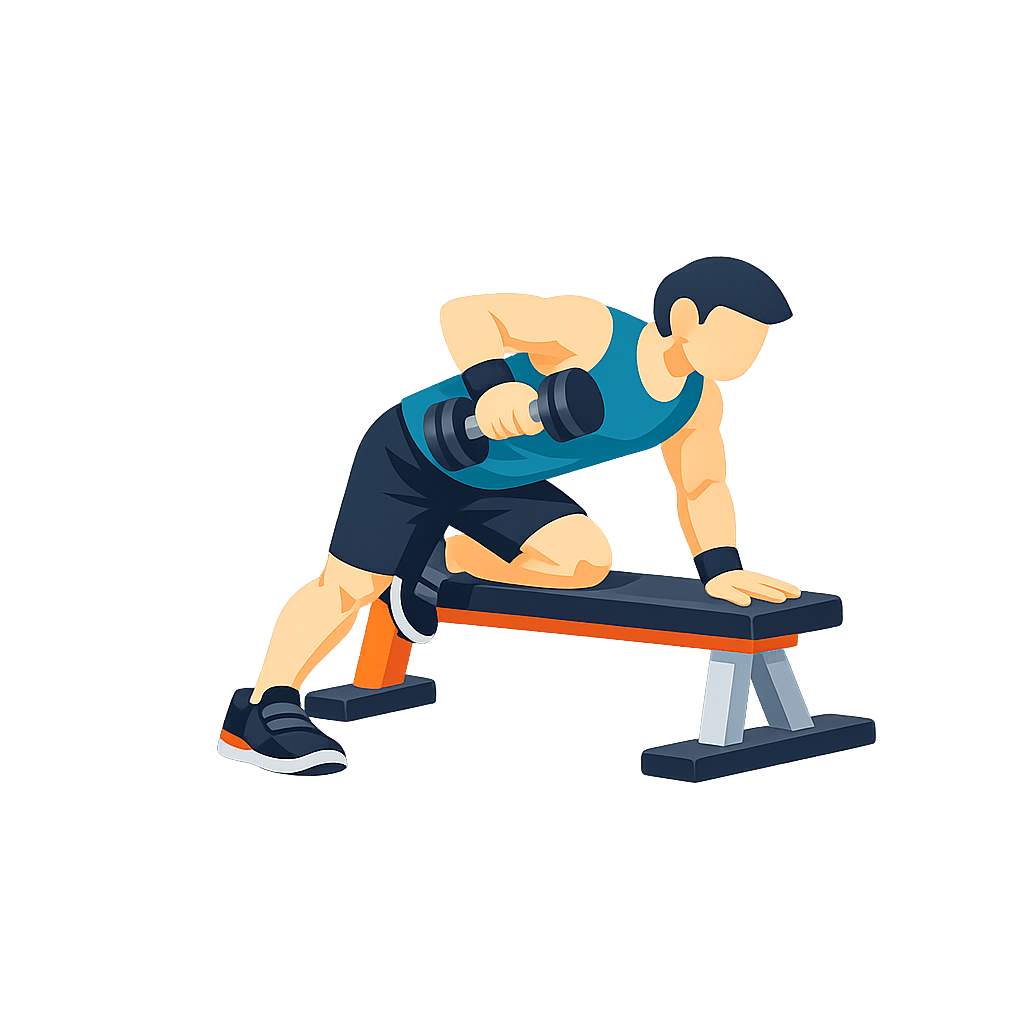
Dumbbell Row
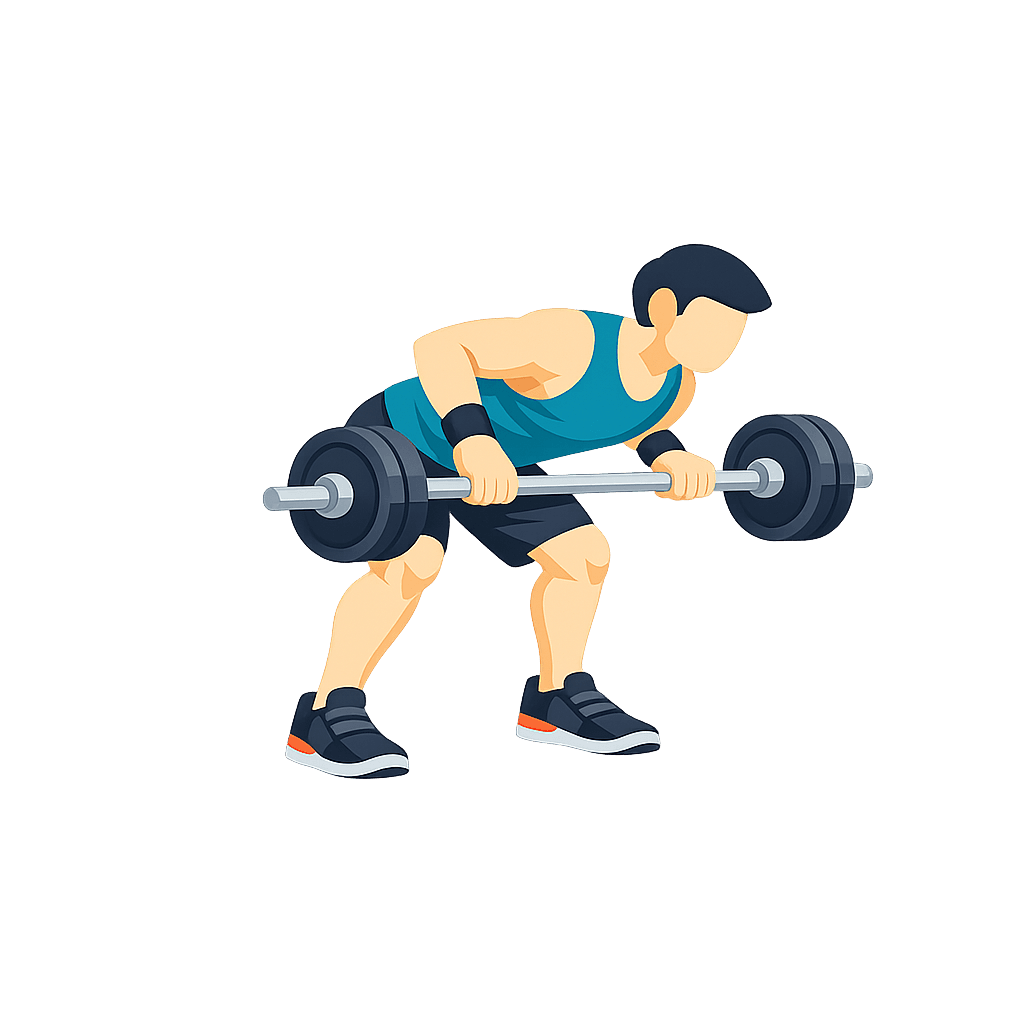
Barbell Row
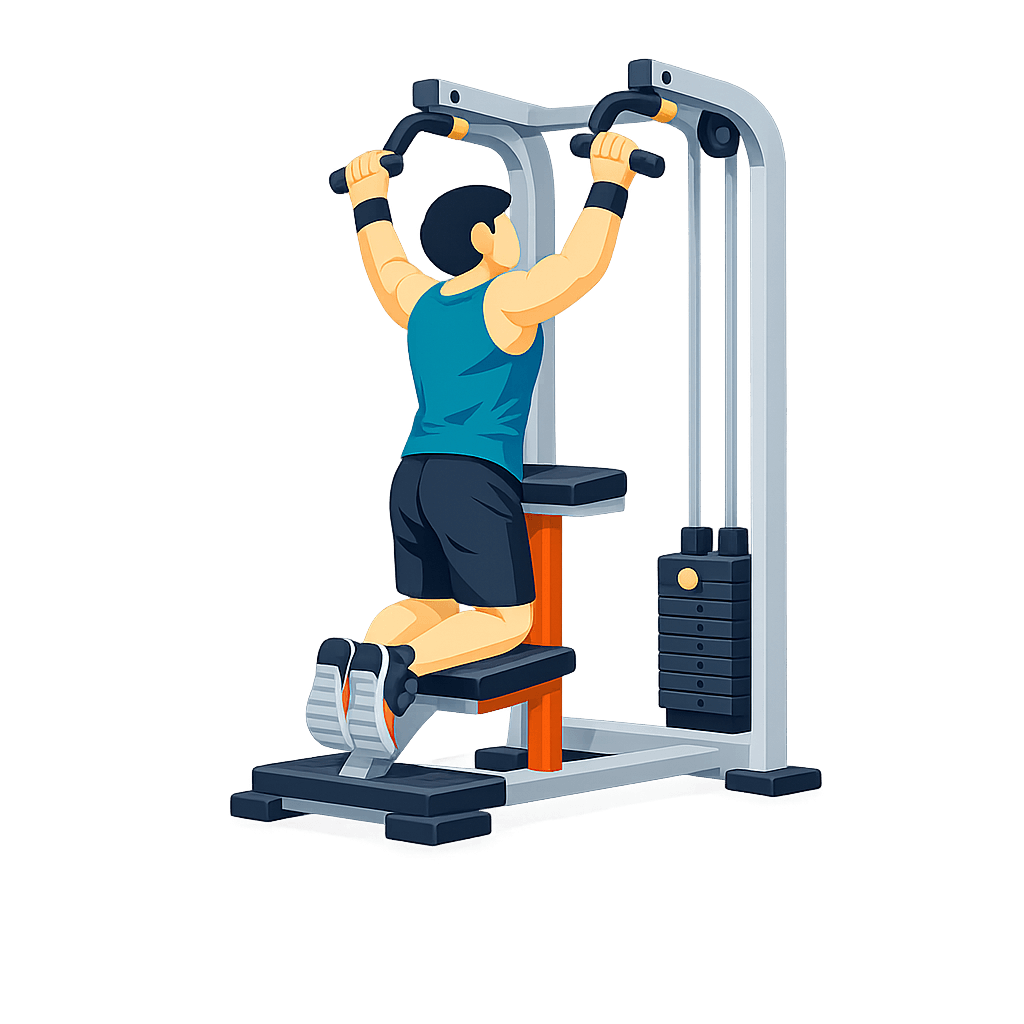
Assisted Pull-Up
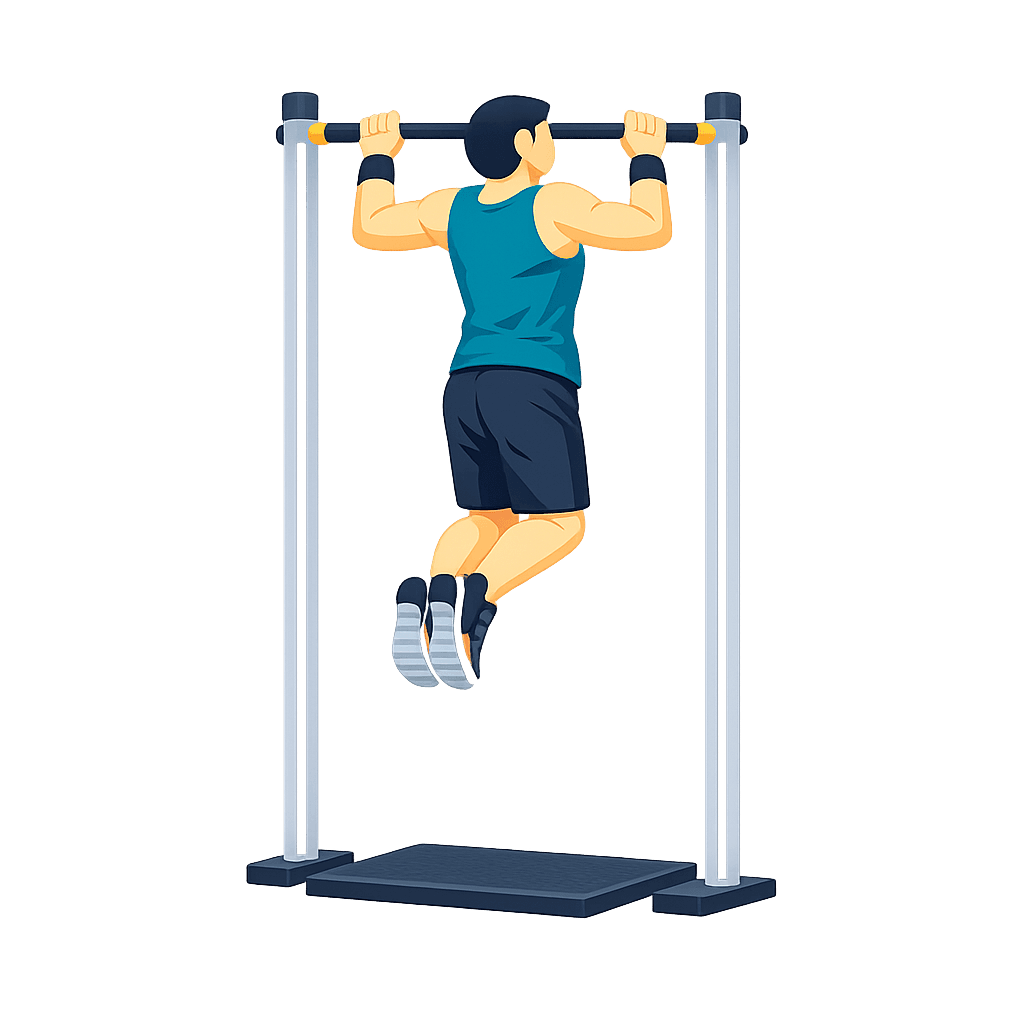
Pull-Up
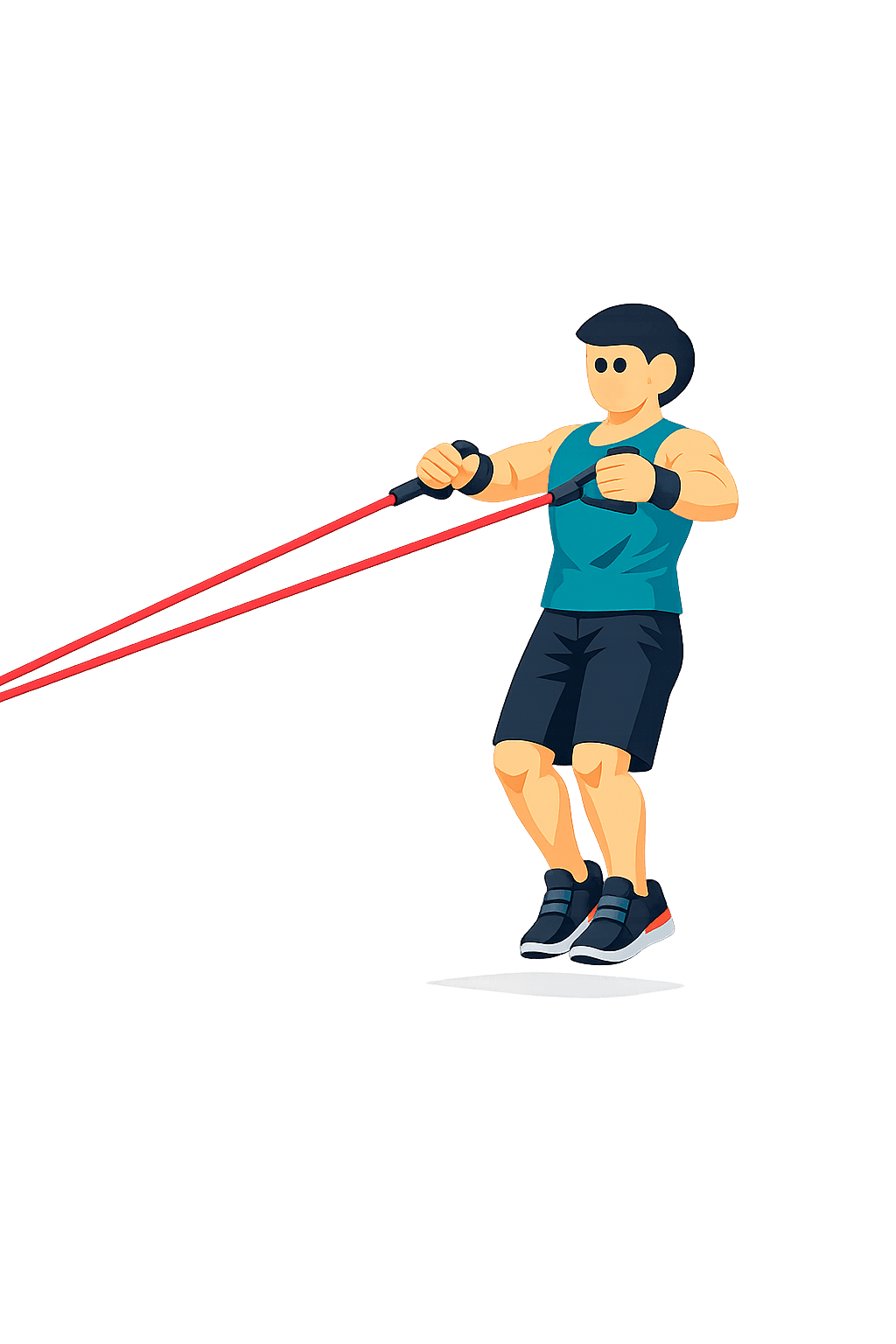
Band Row
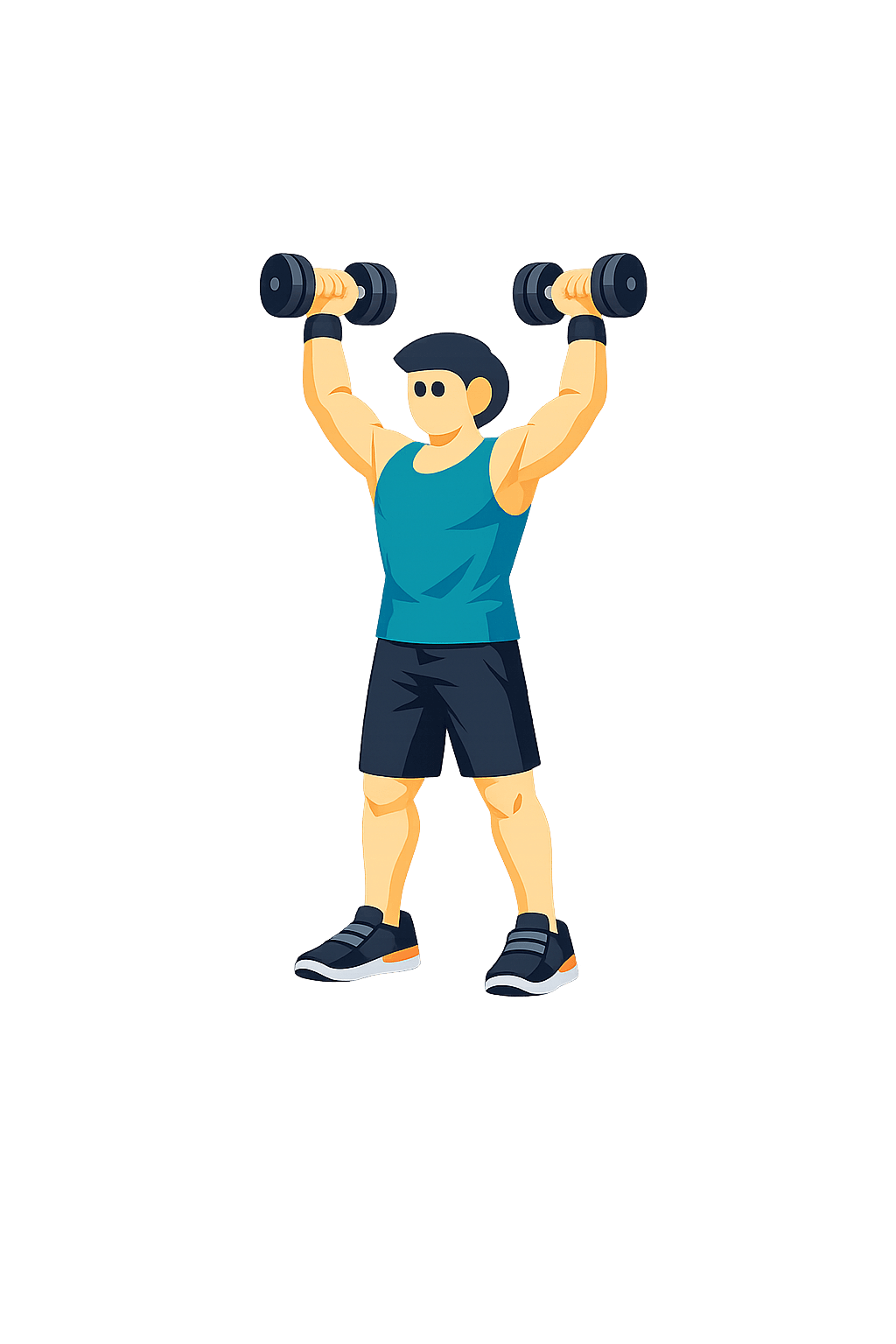
Dumbbell Shoulder Press
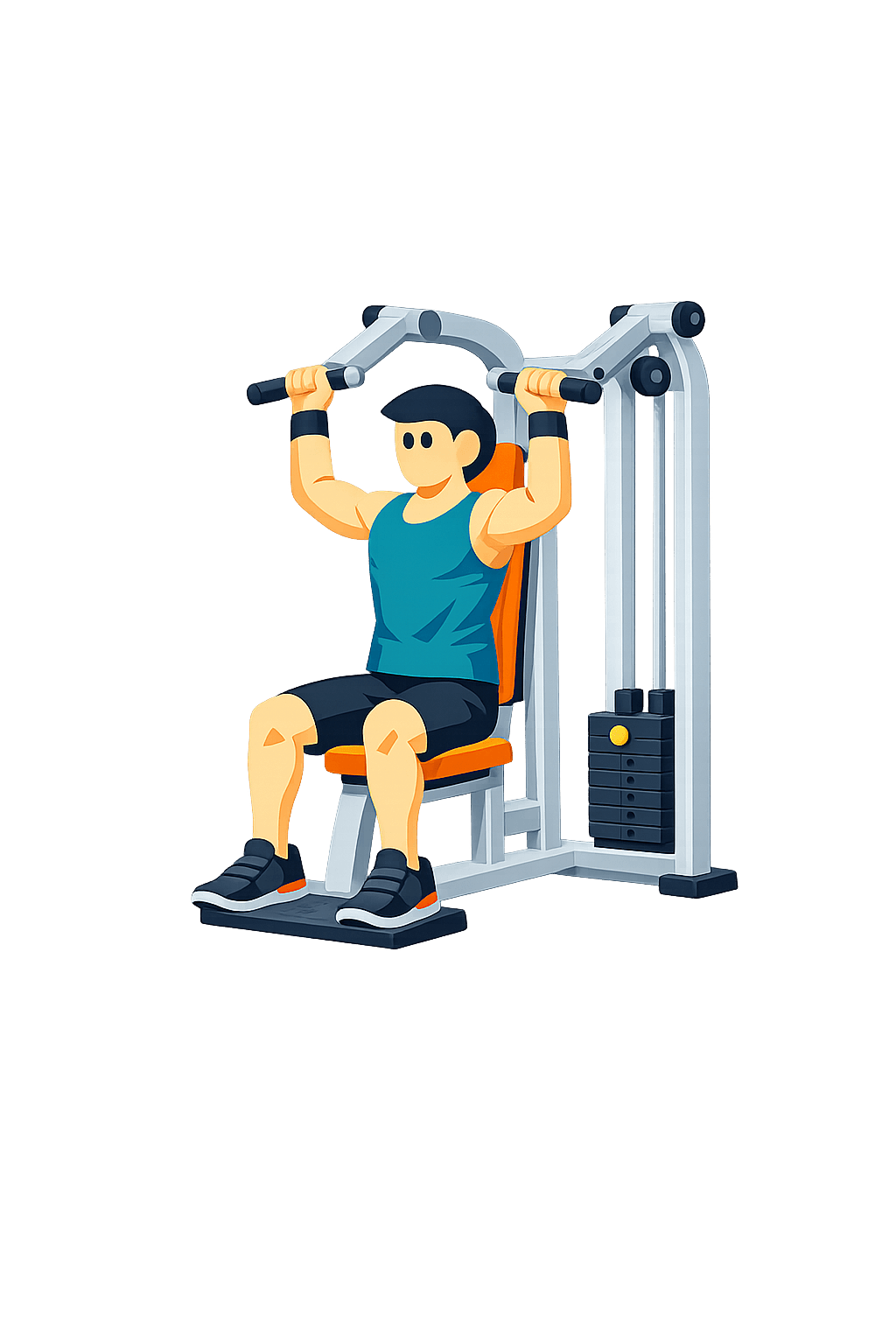
Shoulder Press Machine
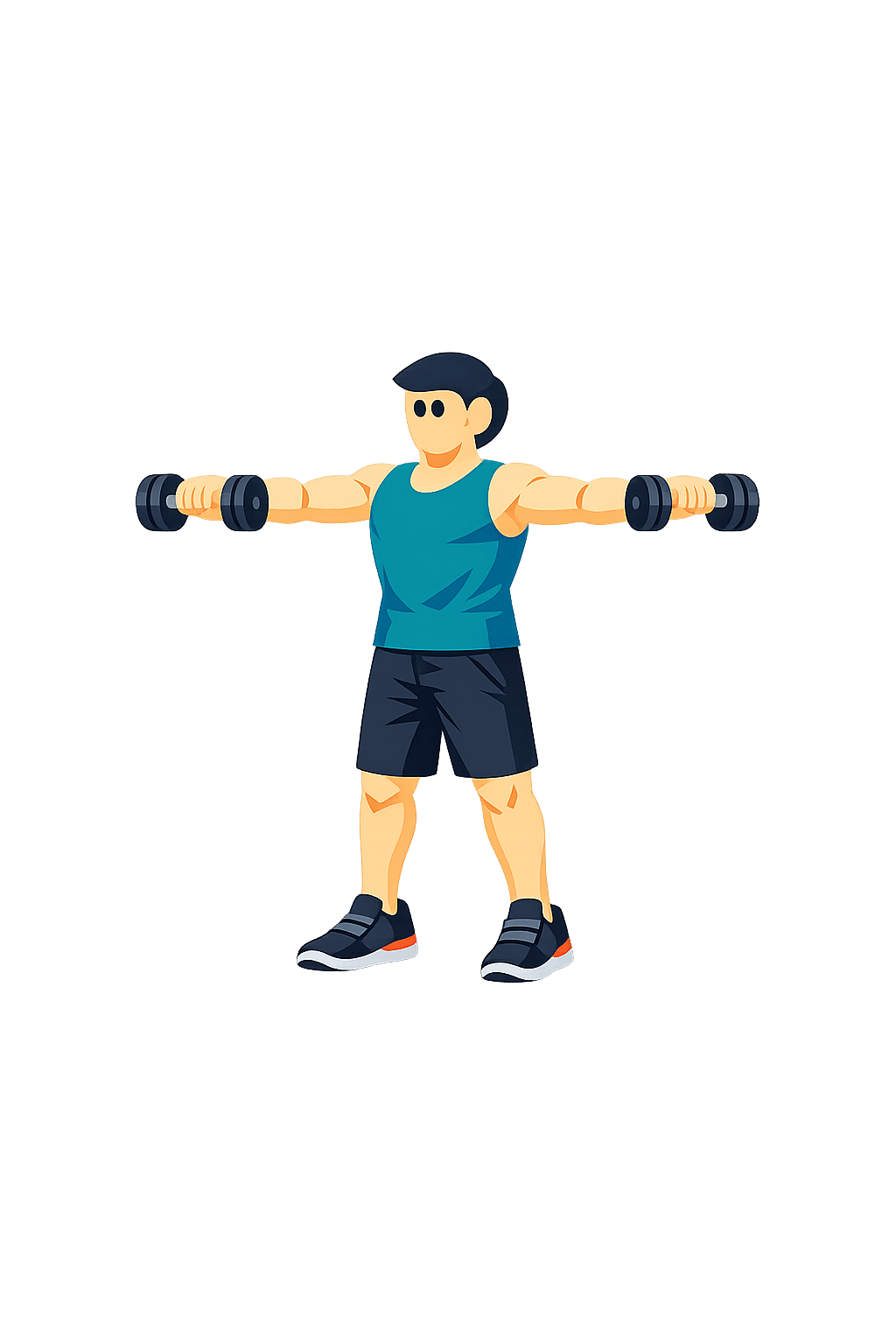
Lateral Raise
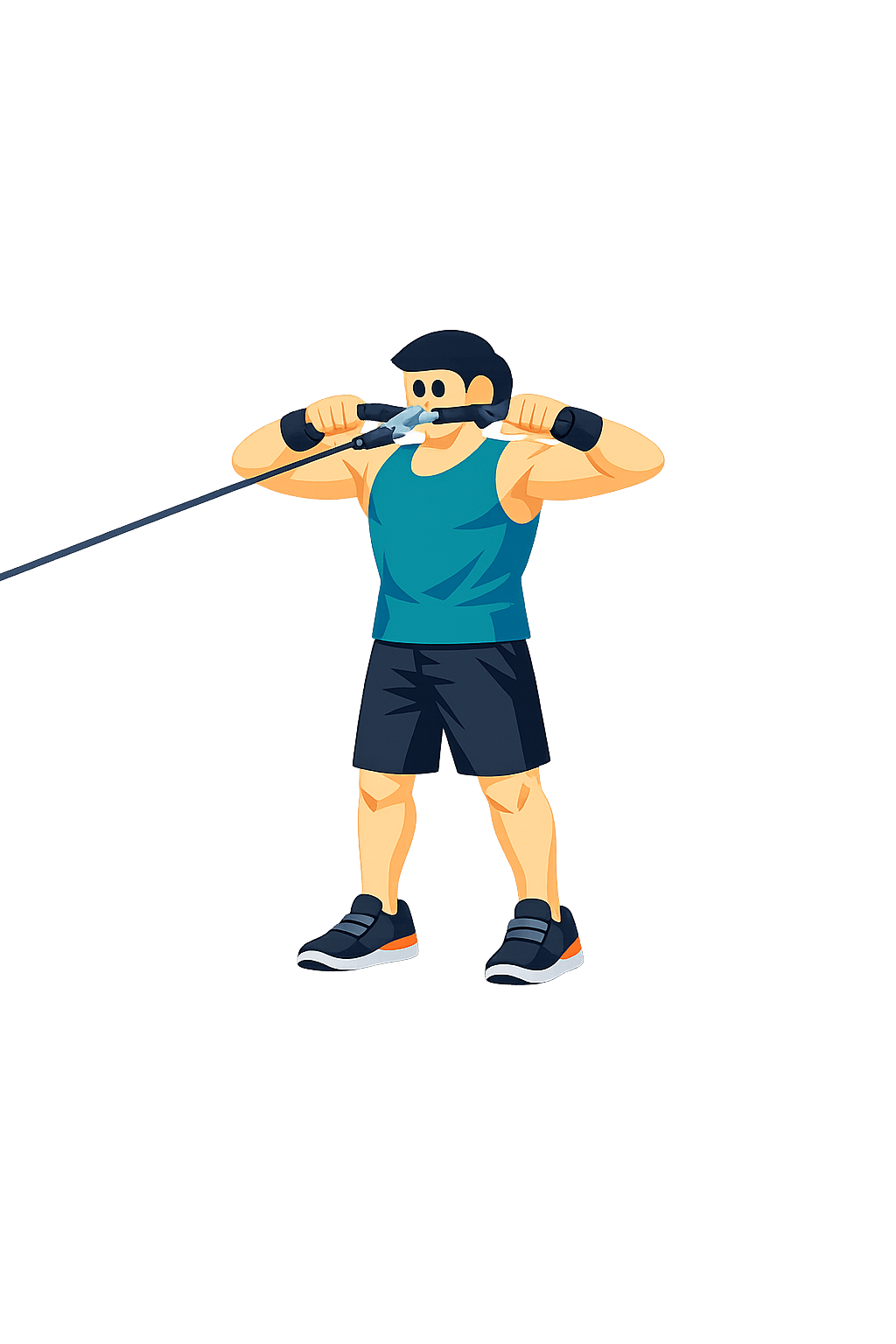
Face Pull
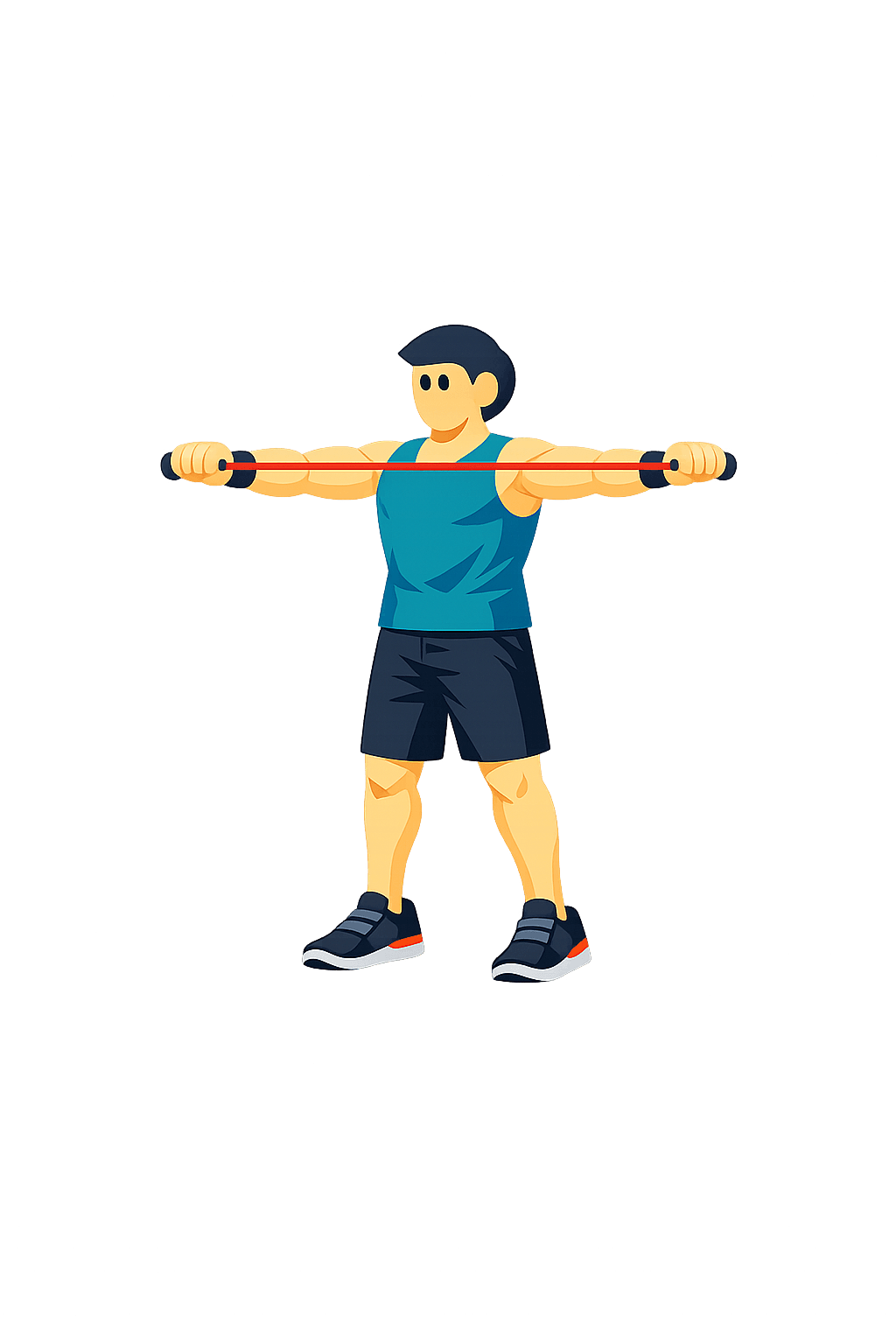
Band Pull-Apart
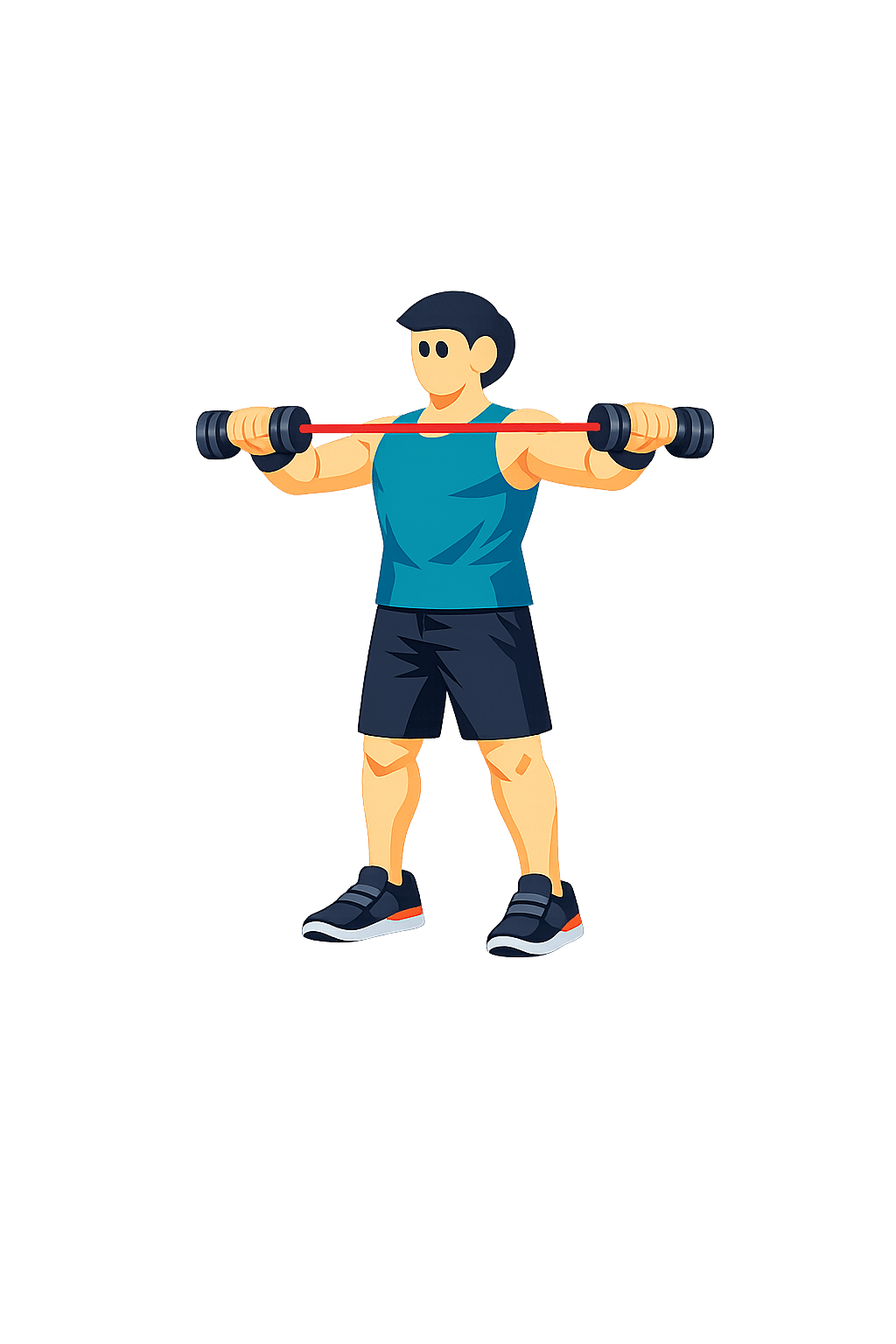
Dumbbell Biceps Curl
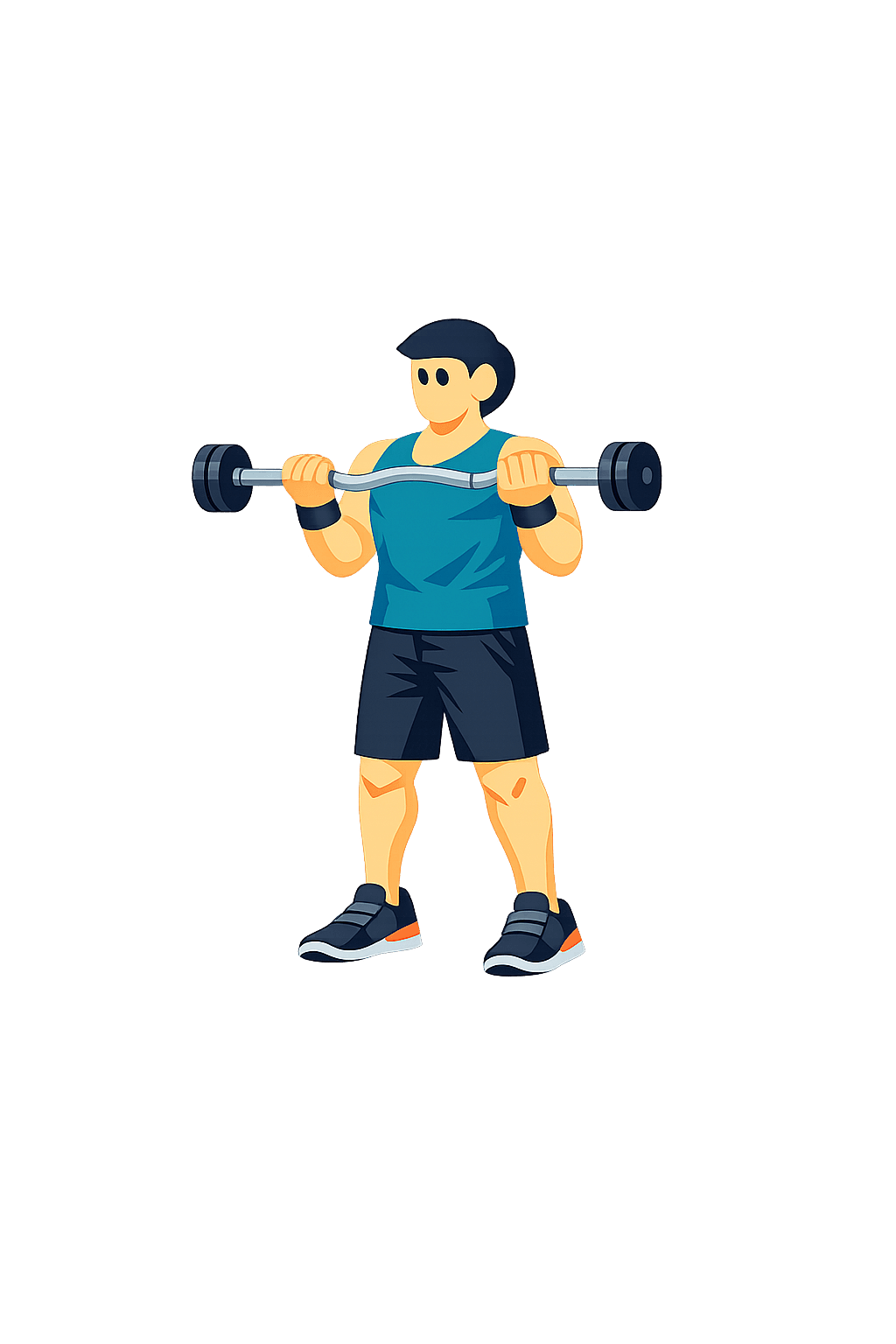
Barbell Curl
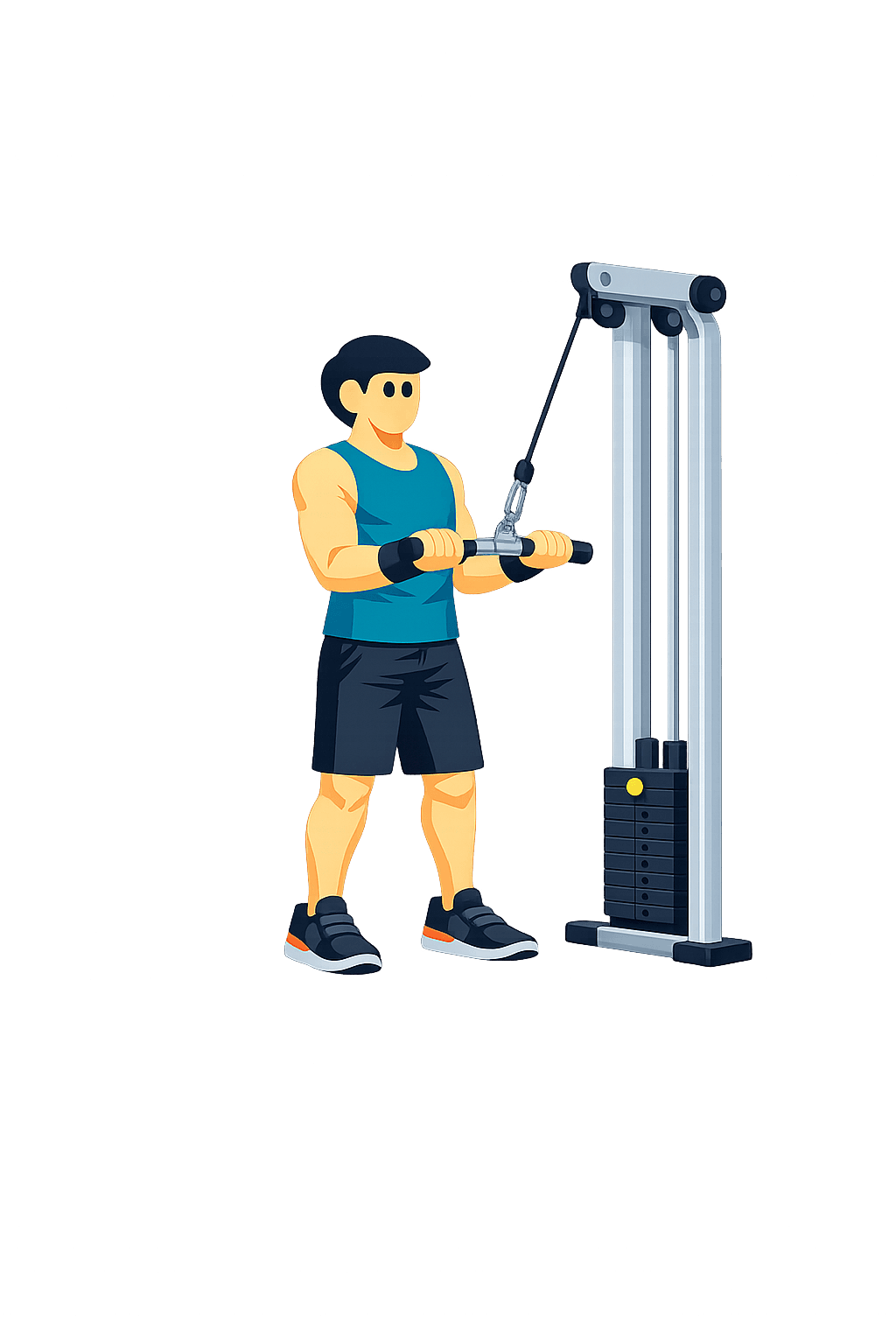
Cable Triceps Pushdown
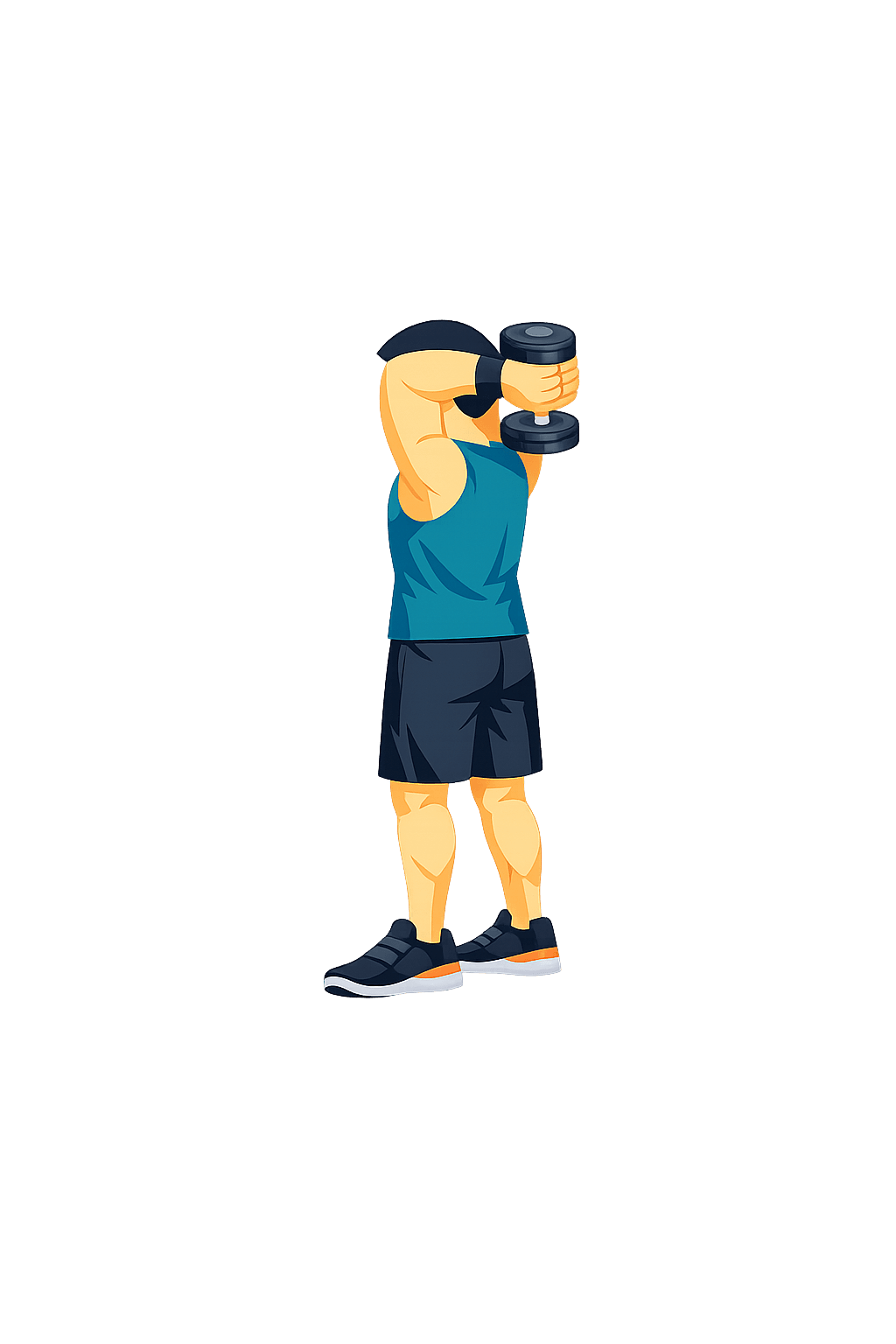
Dumbbell Triceps Extension
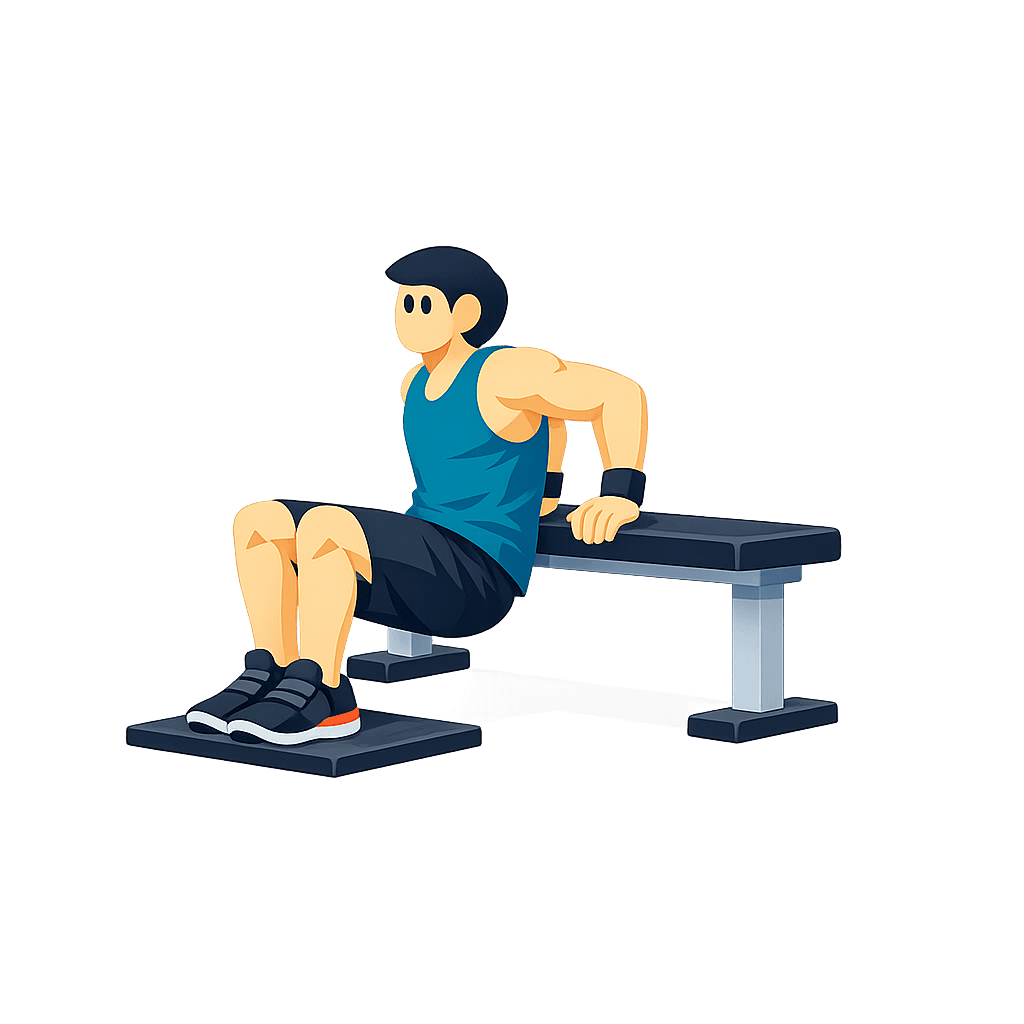
Bench Dips
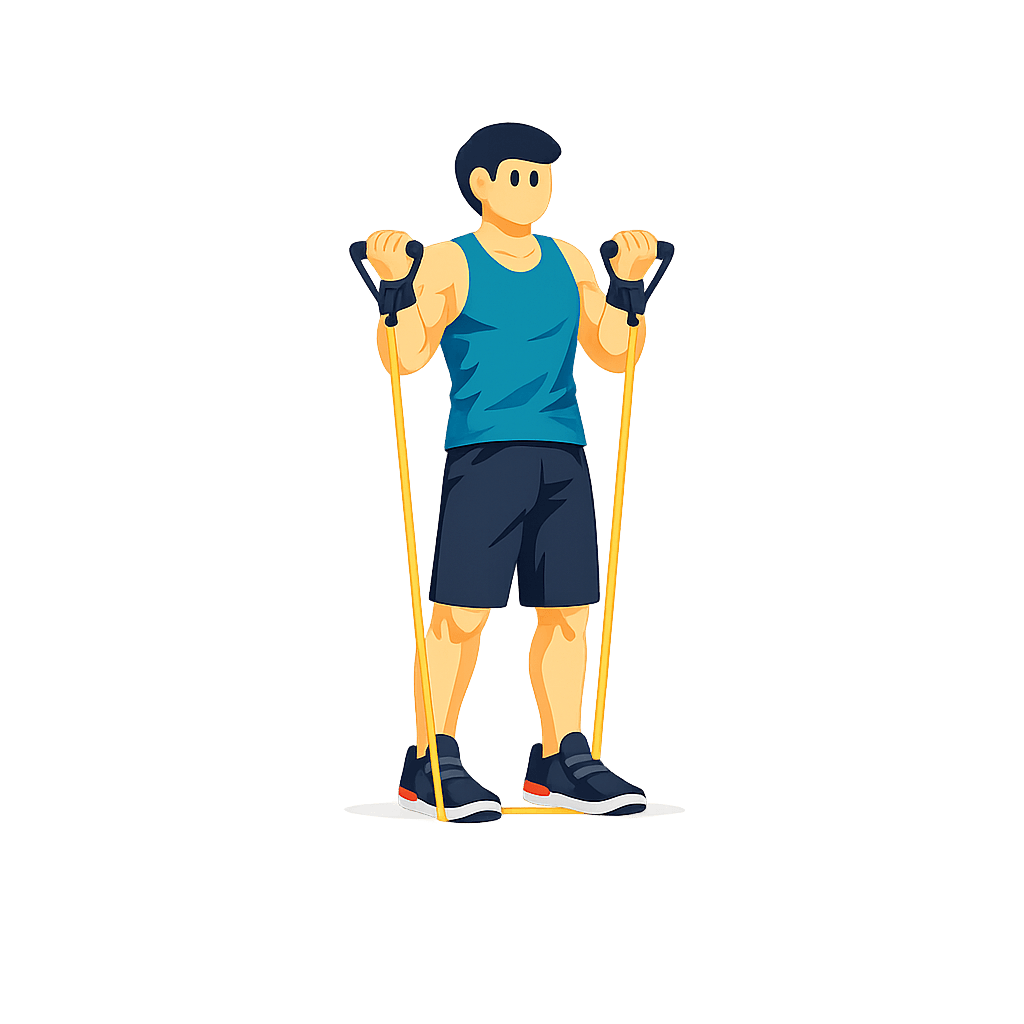
Band Biceps Curl
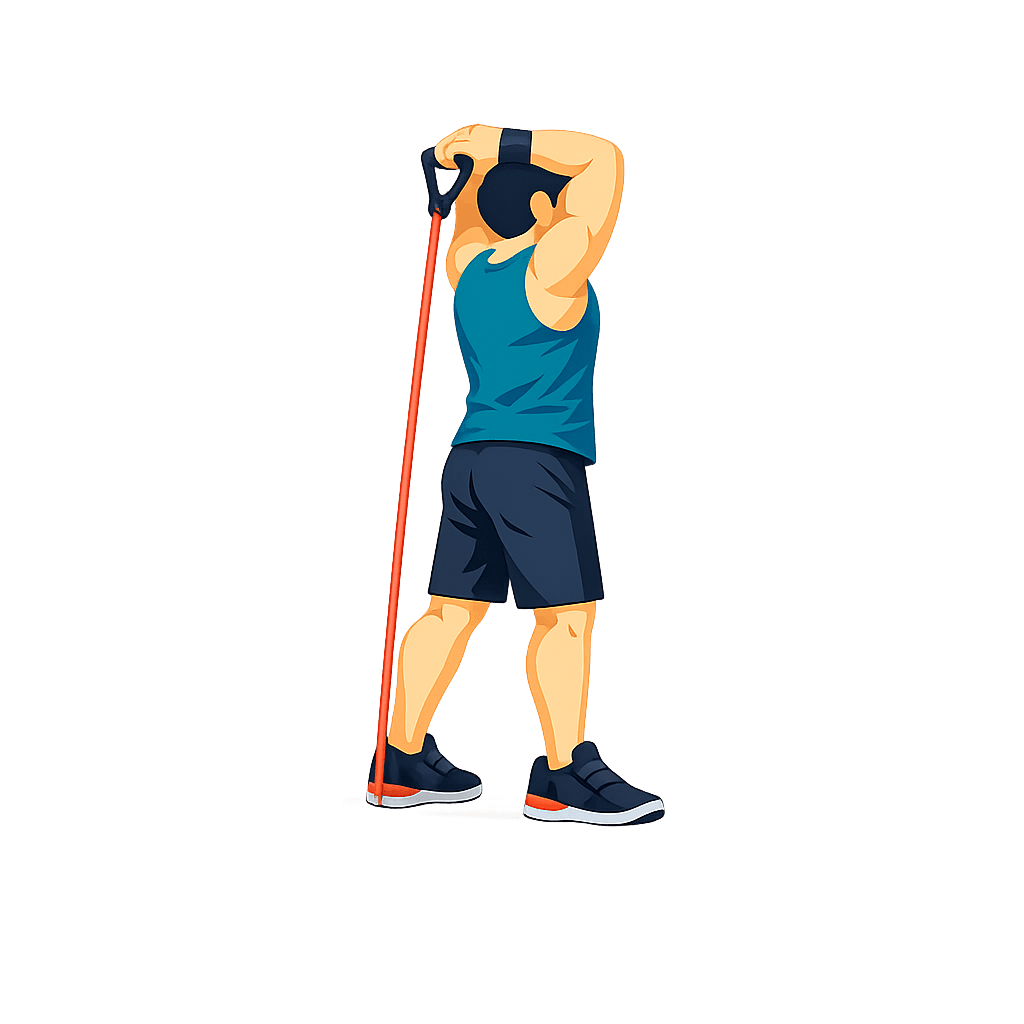
Band Triceps Extension
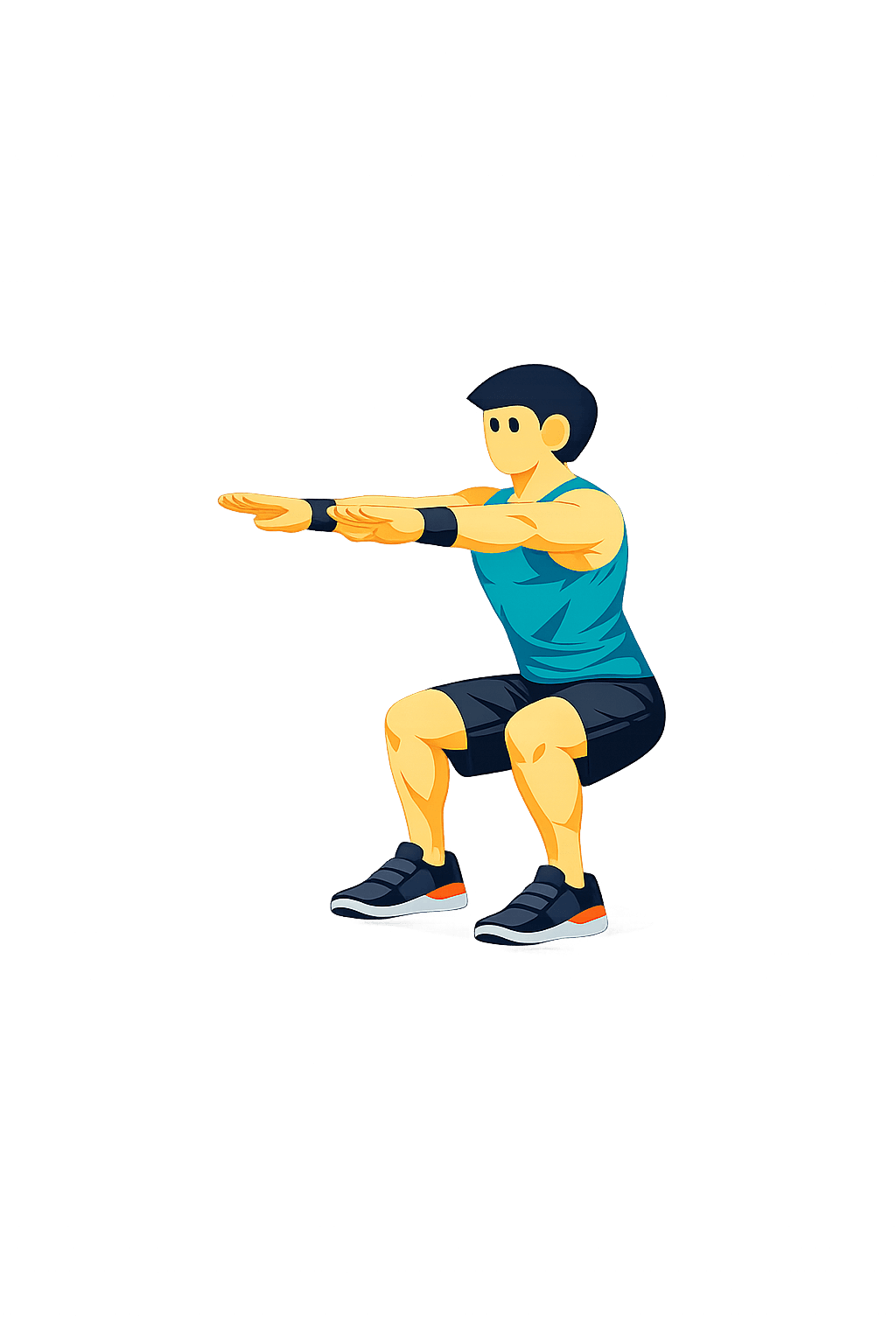
Bodyweight Squat
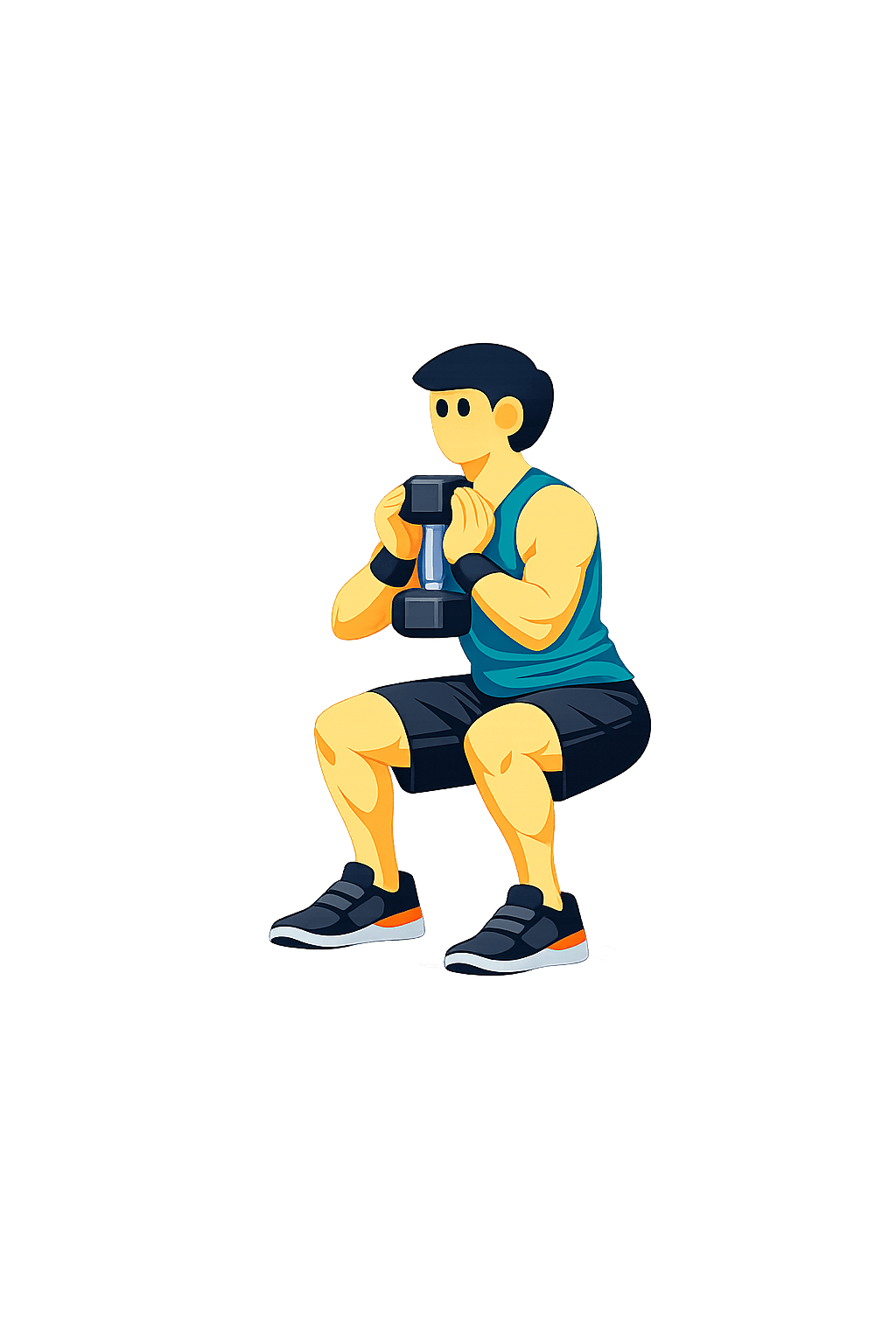
Goblet Squat
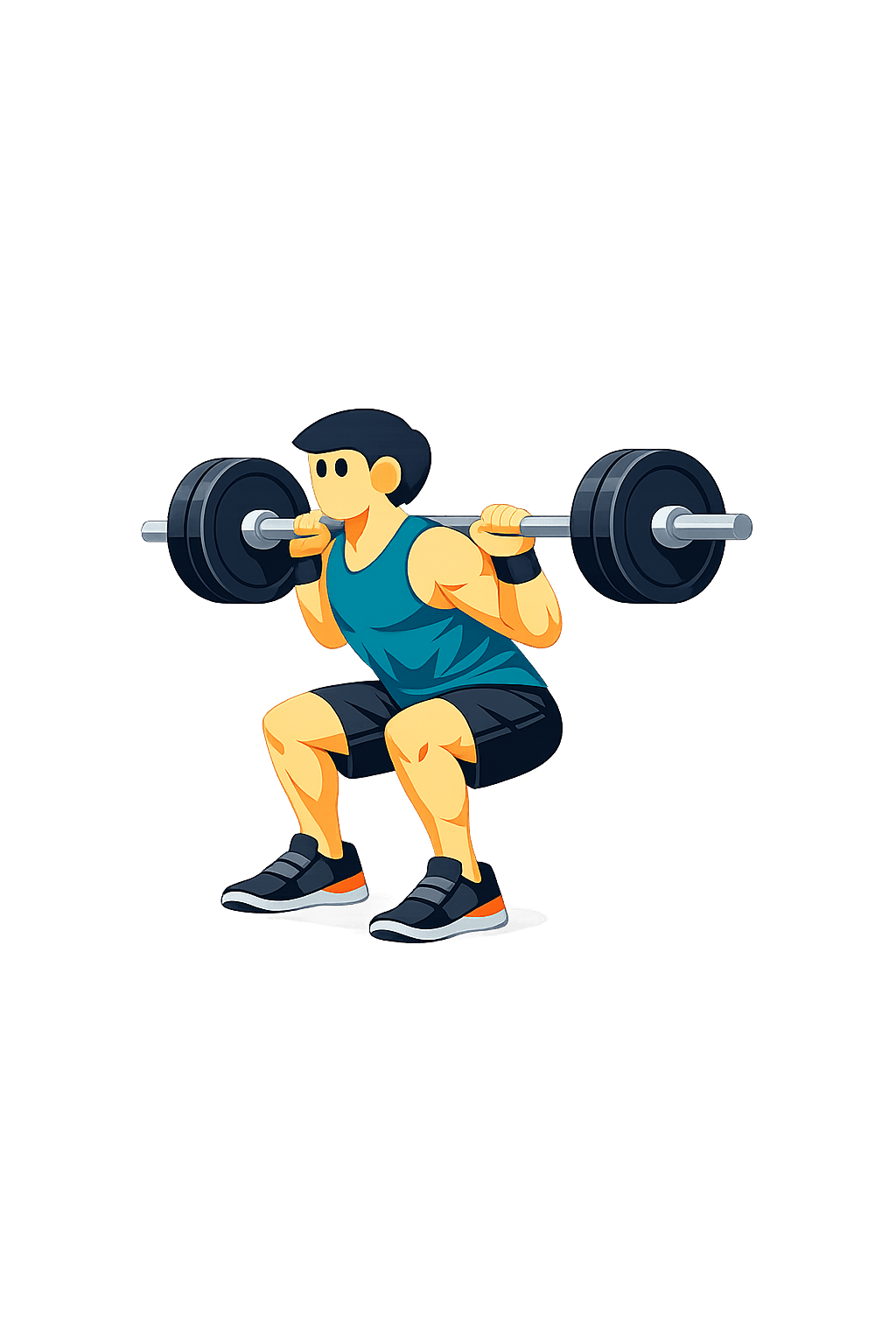
Barbell Back Squat
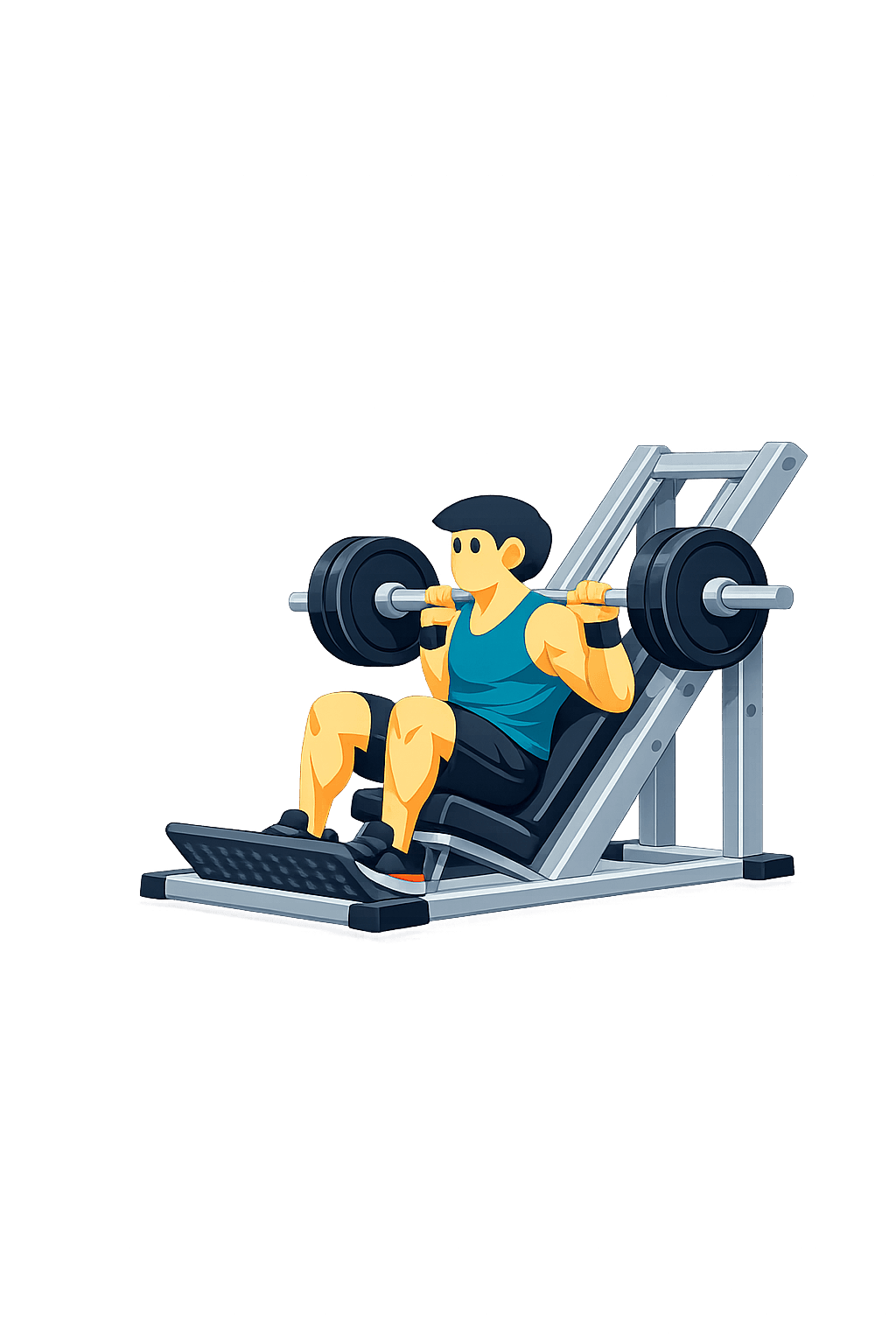
Leg Press
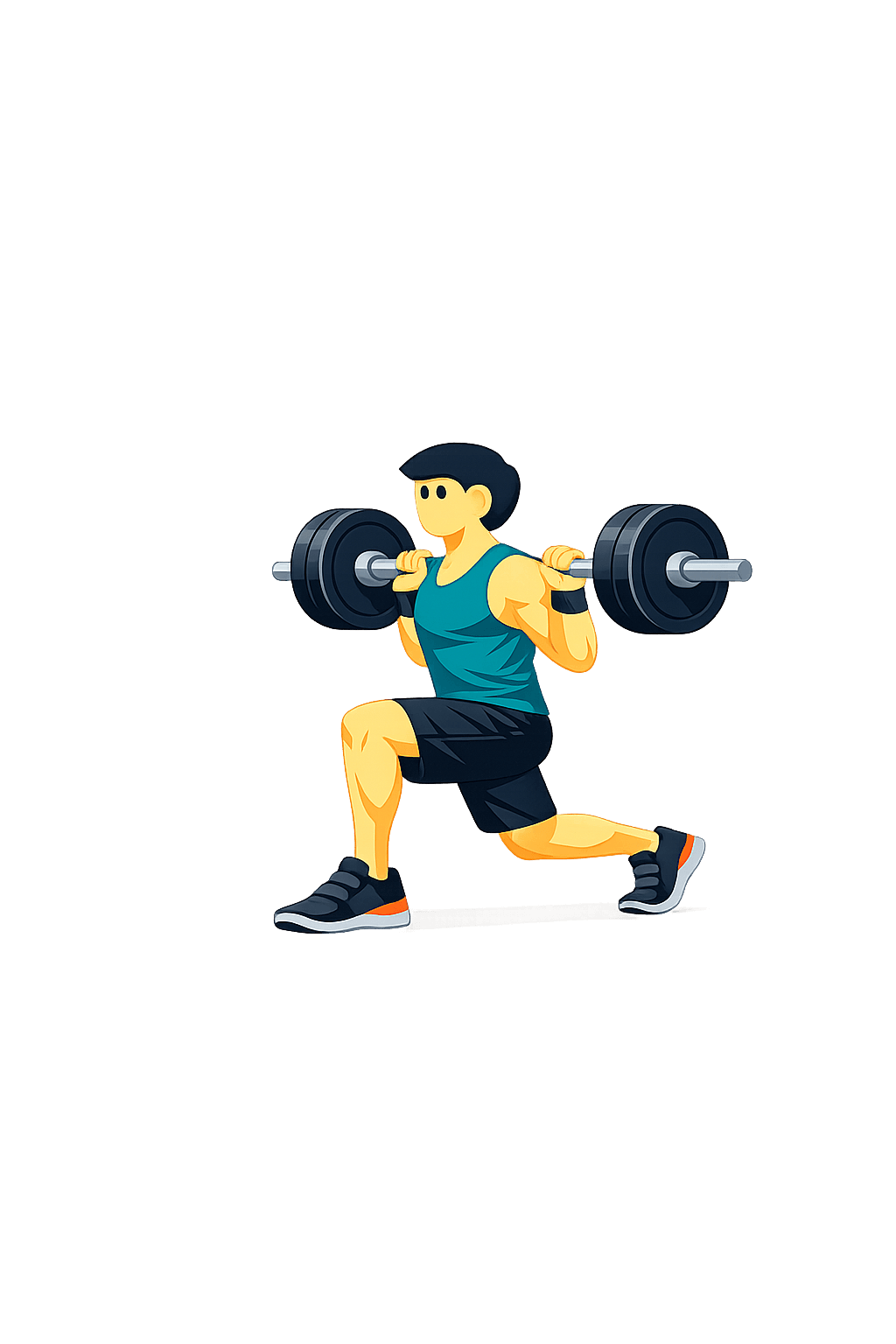
Walking Lunges
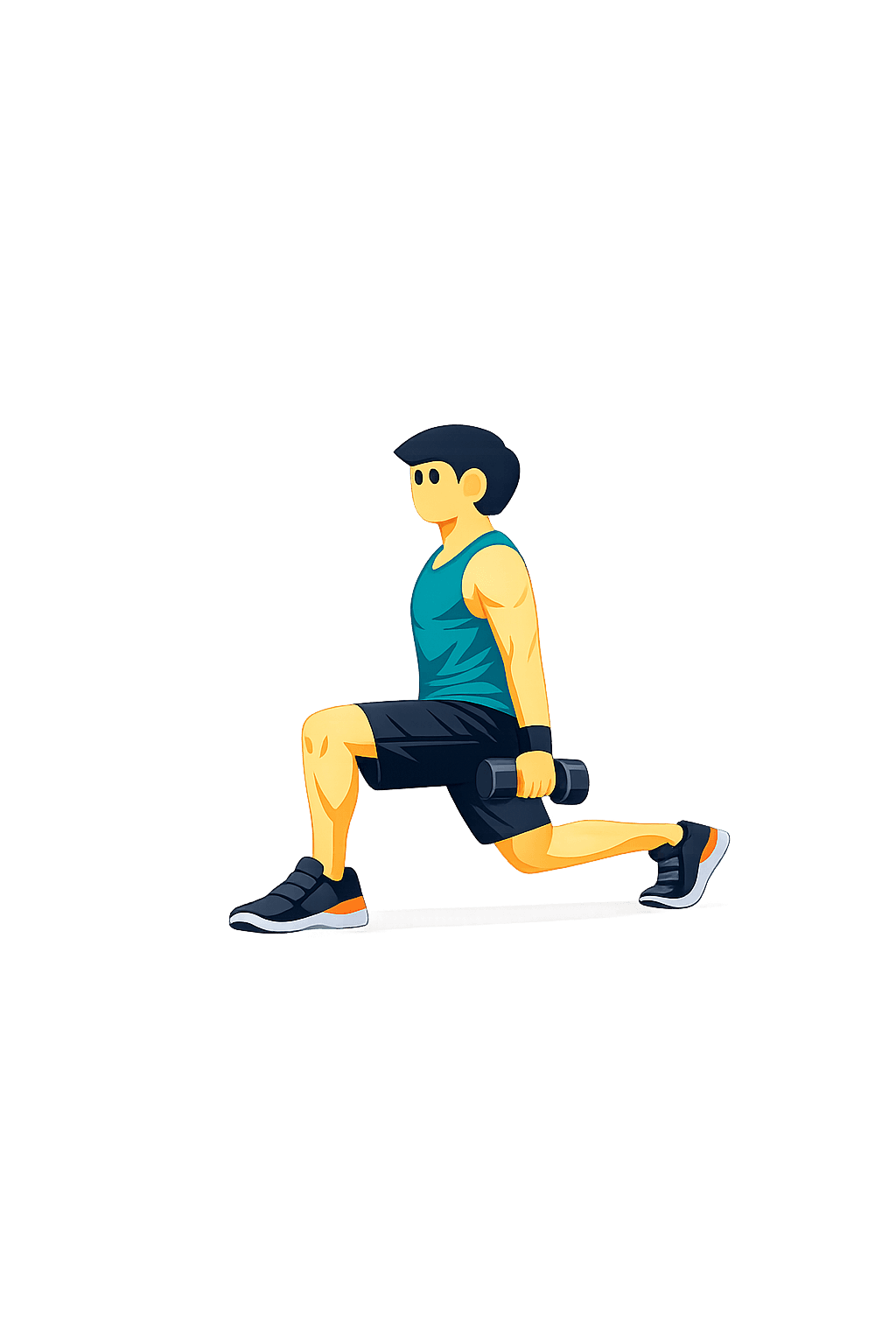
Bodyweight Reverse Lunge
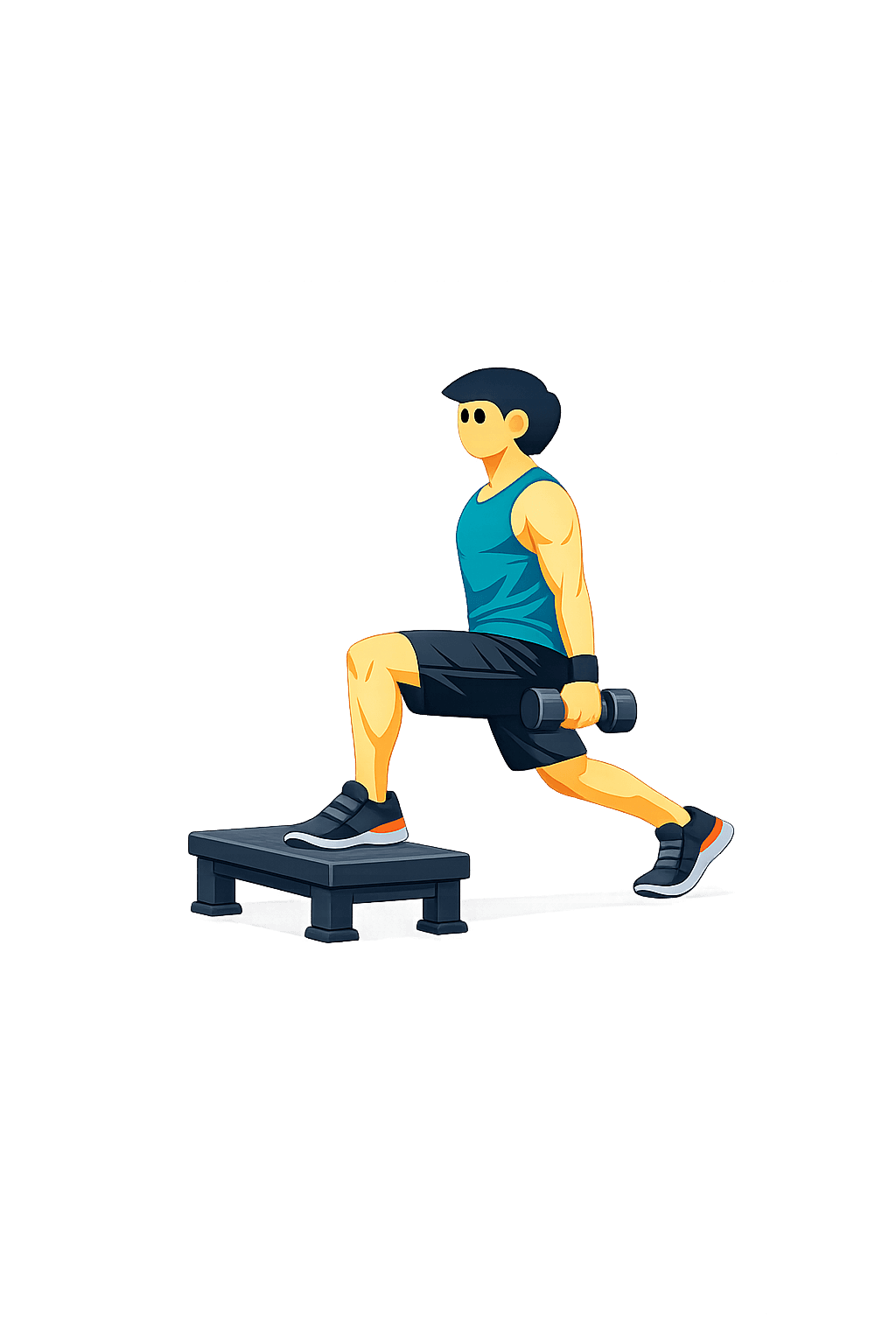
Step-Ups
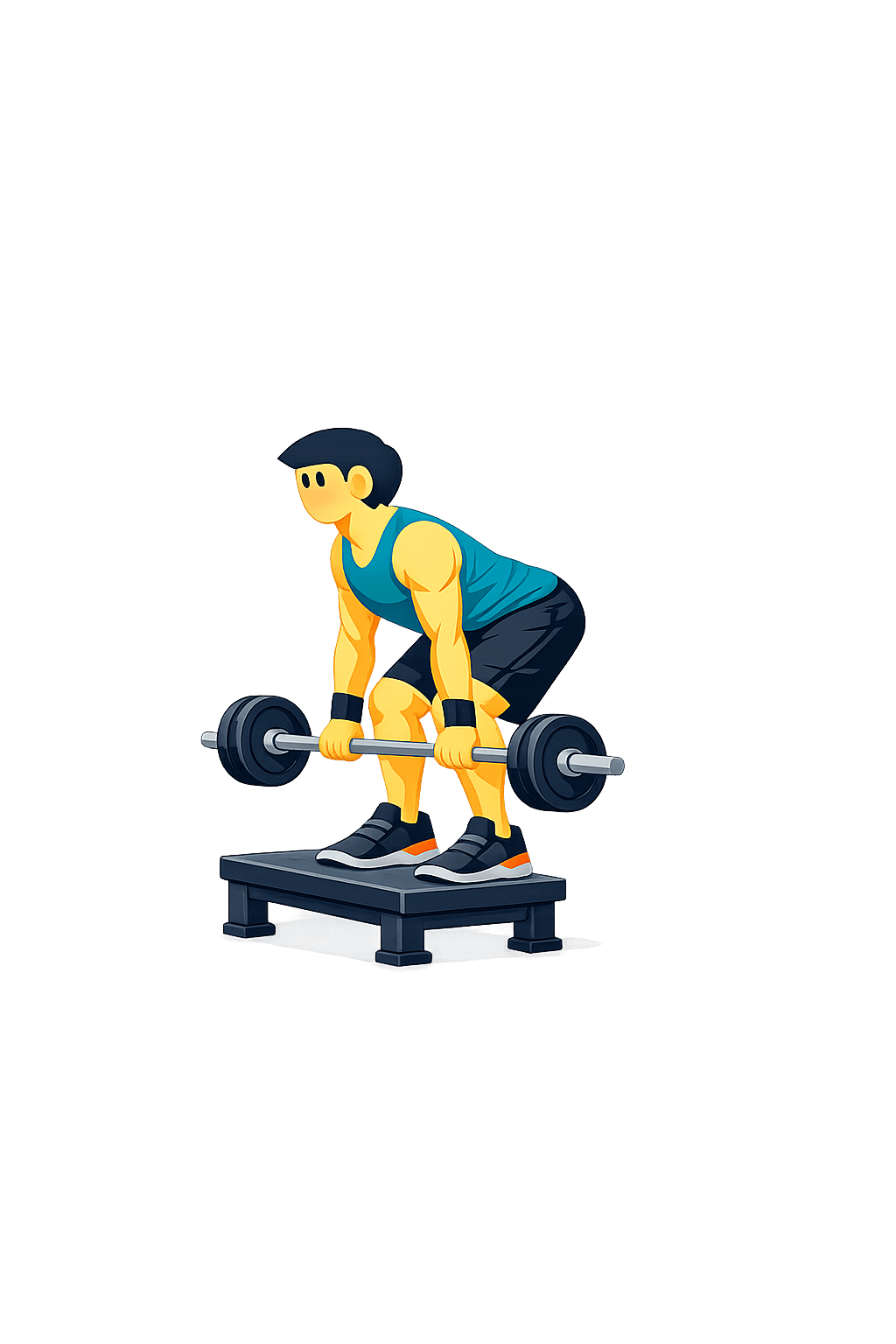
Romanian Deadlift
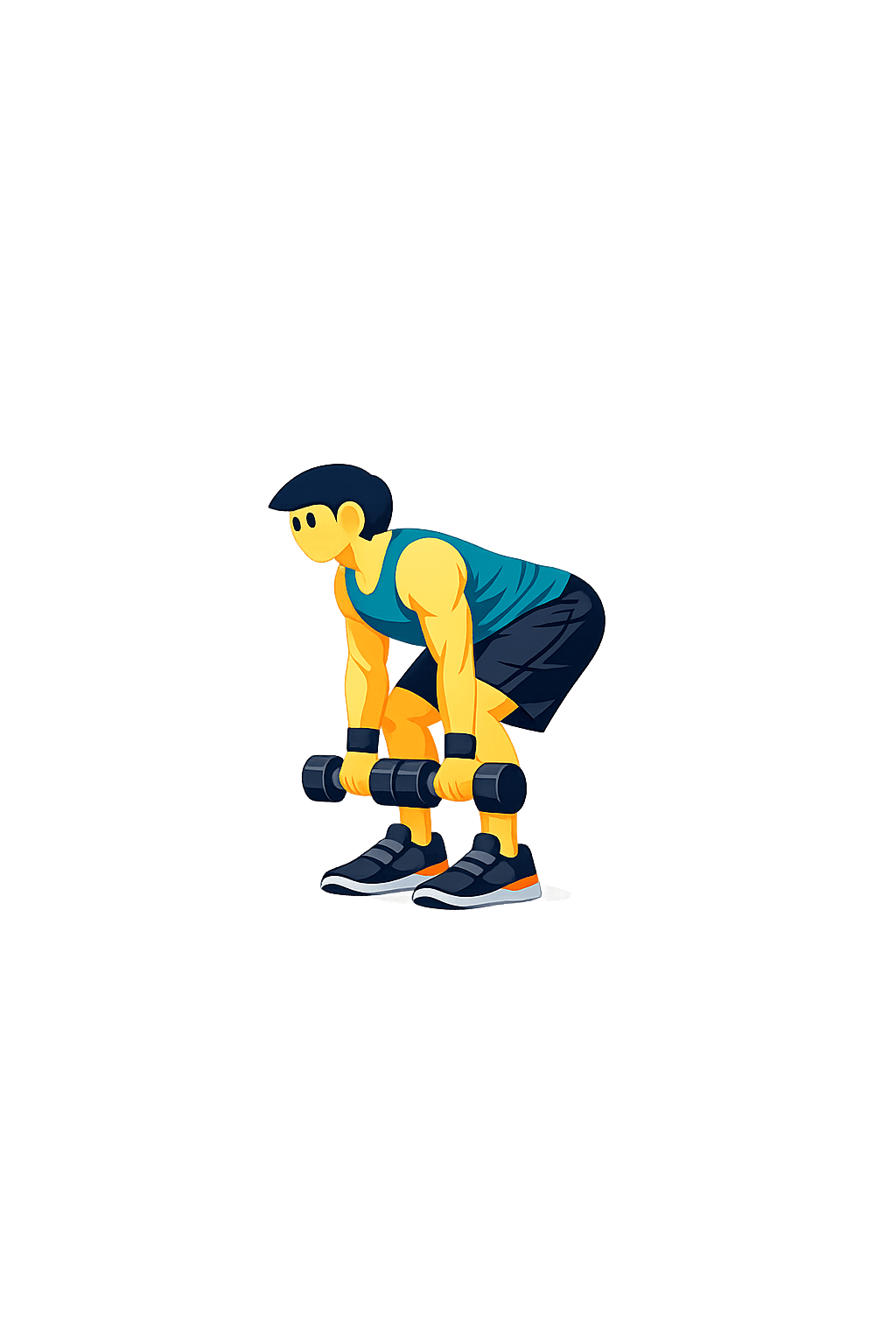
Dumbbell Romanian Deadlift
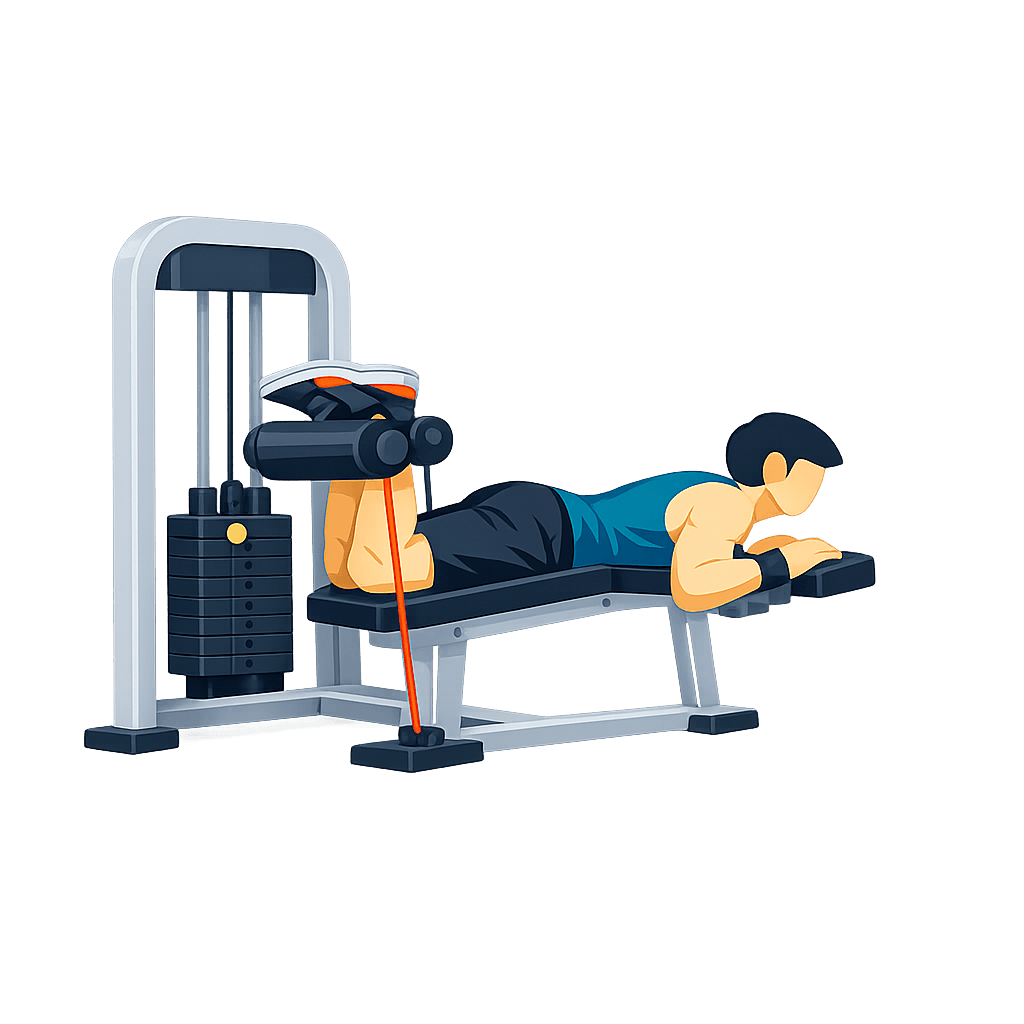
Leg Curl Machine
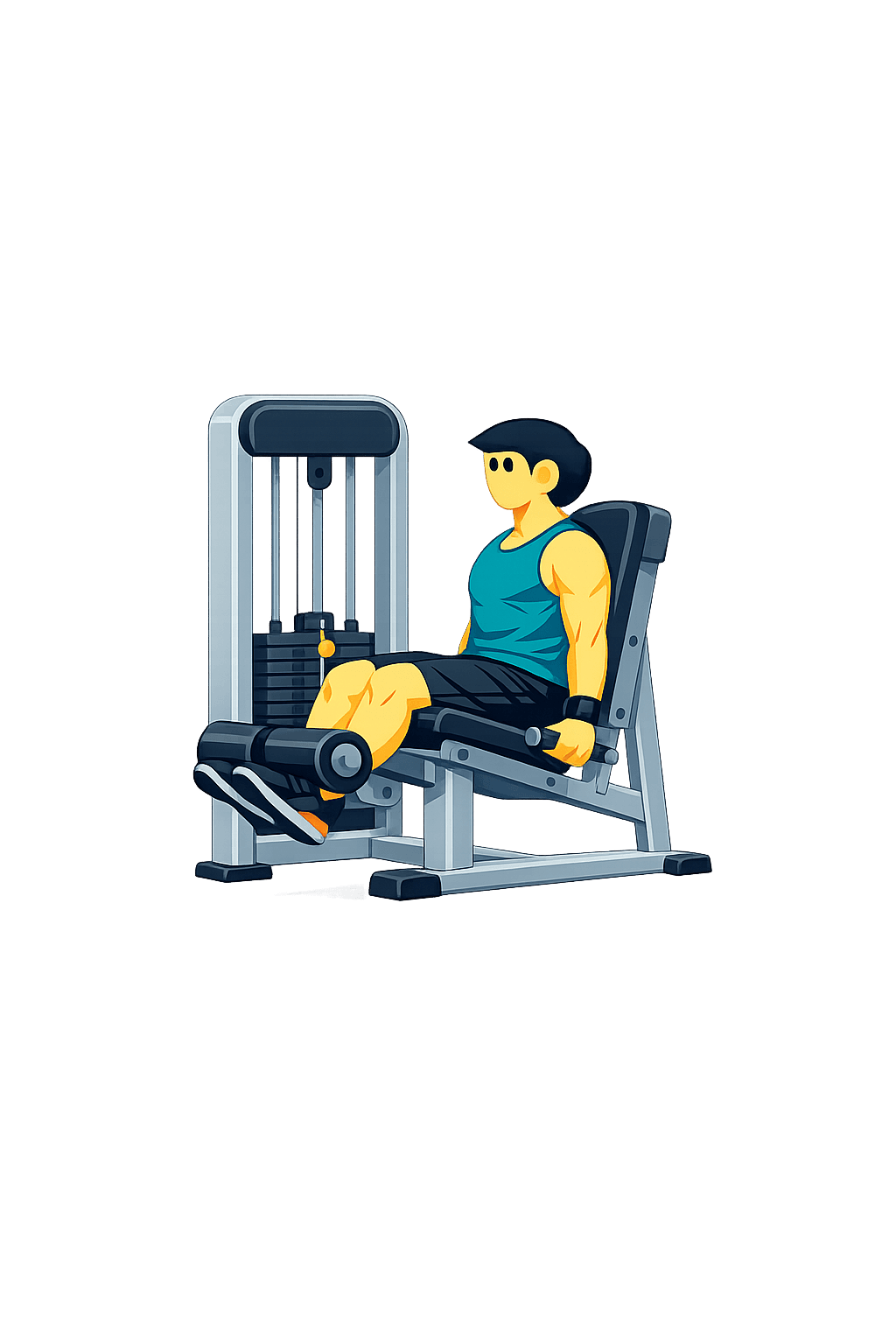
Leg Extension Machine
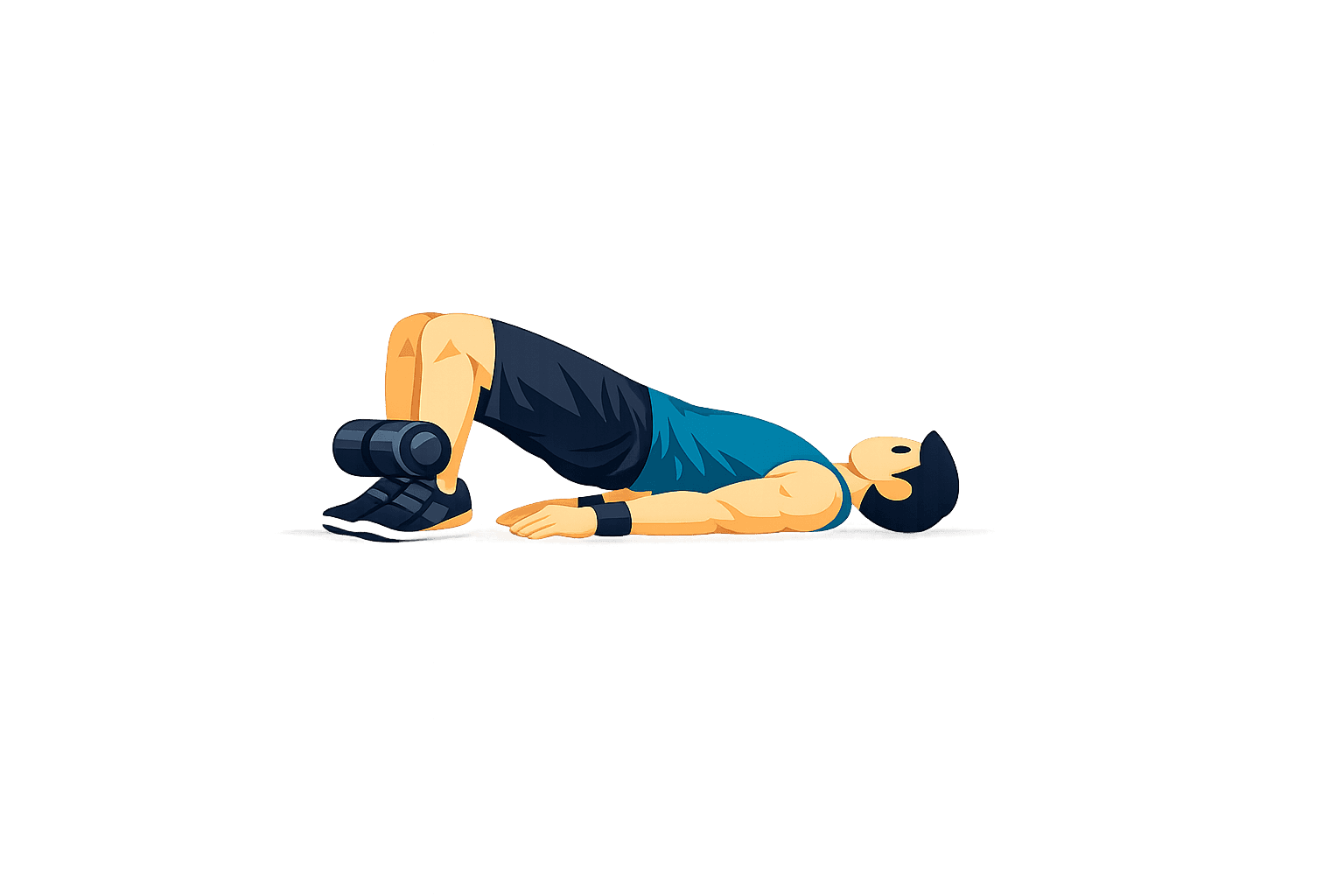
Glute Bridge
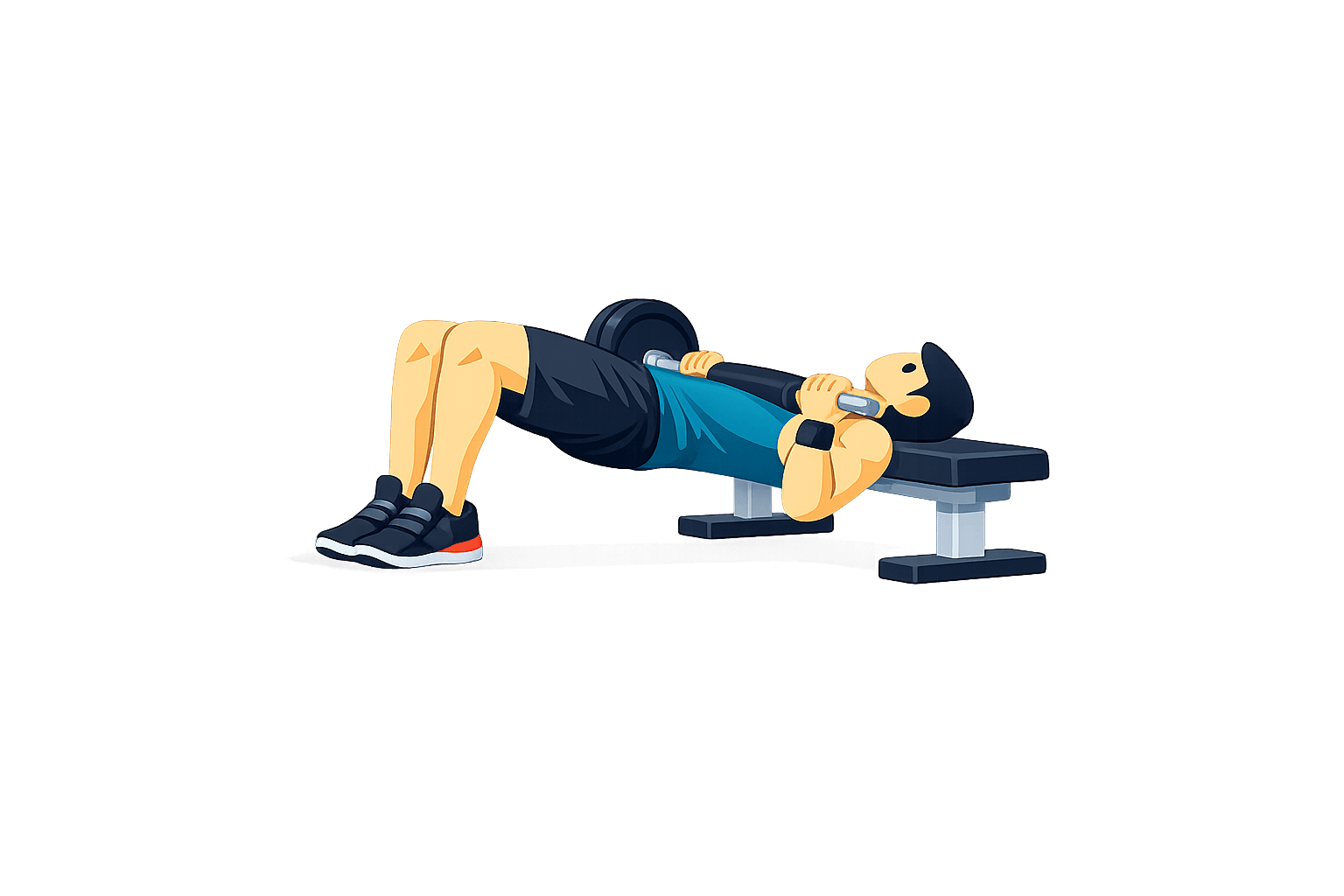
Hip Thrust
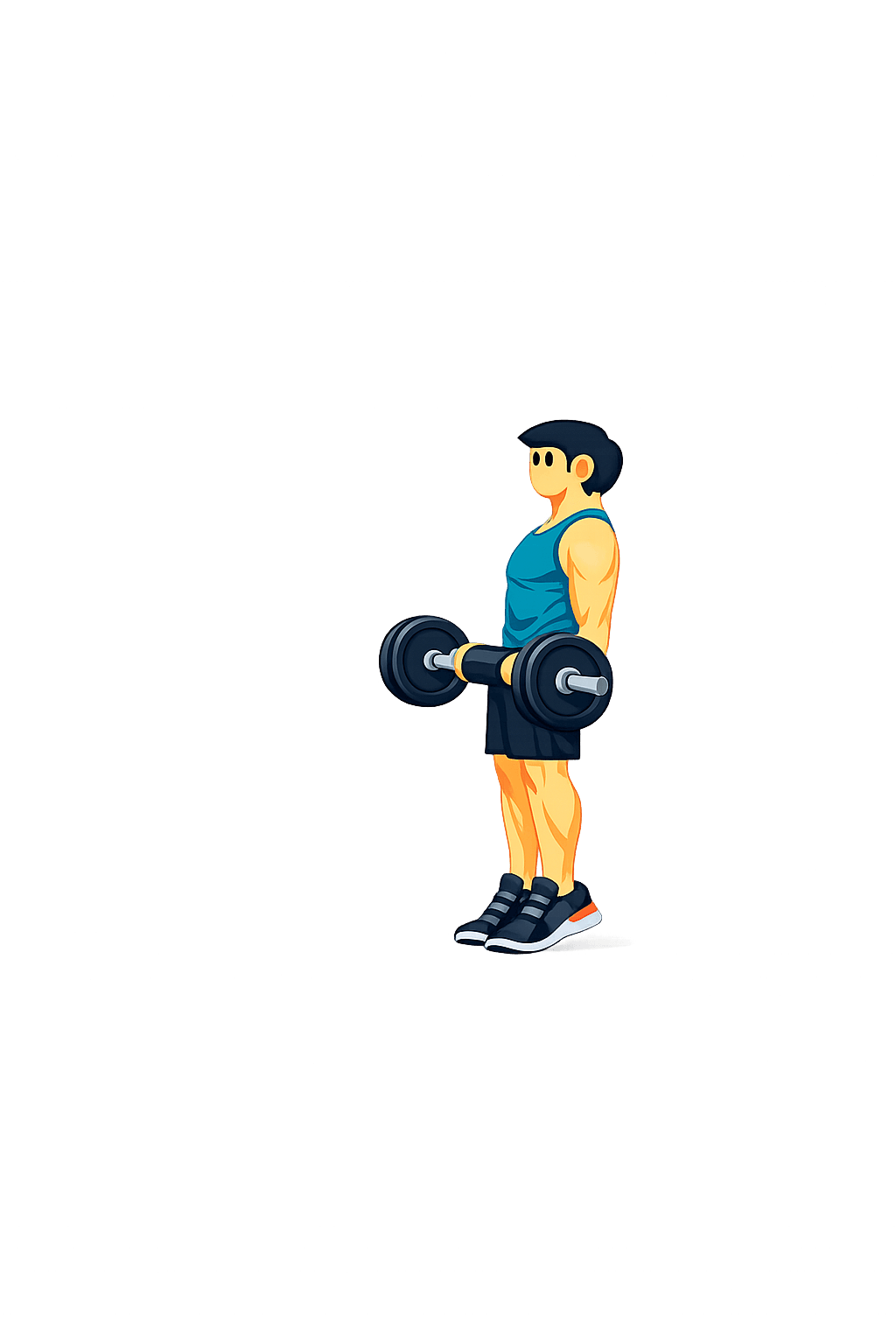
Standing Calf Raise
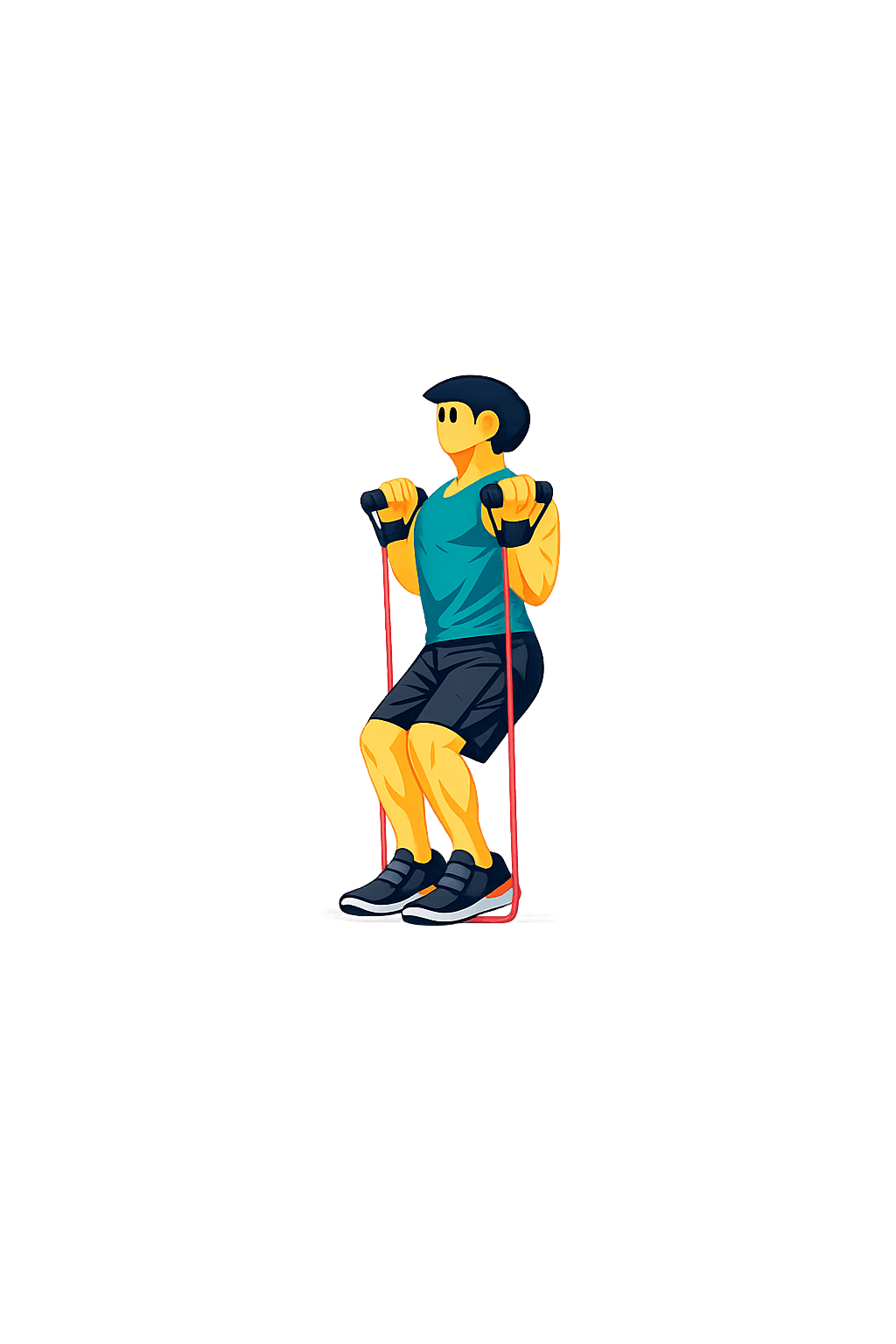
Band Squat
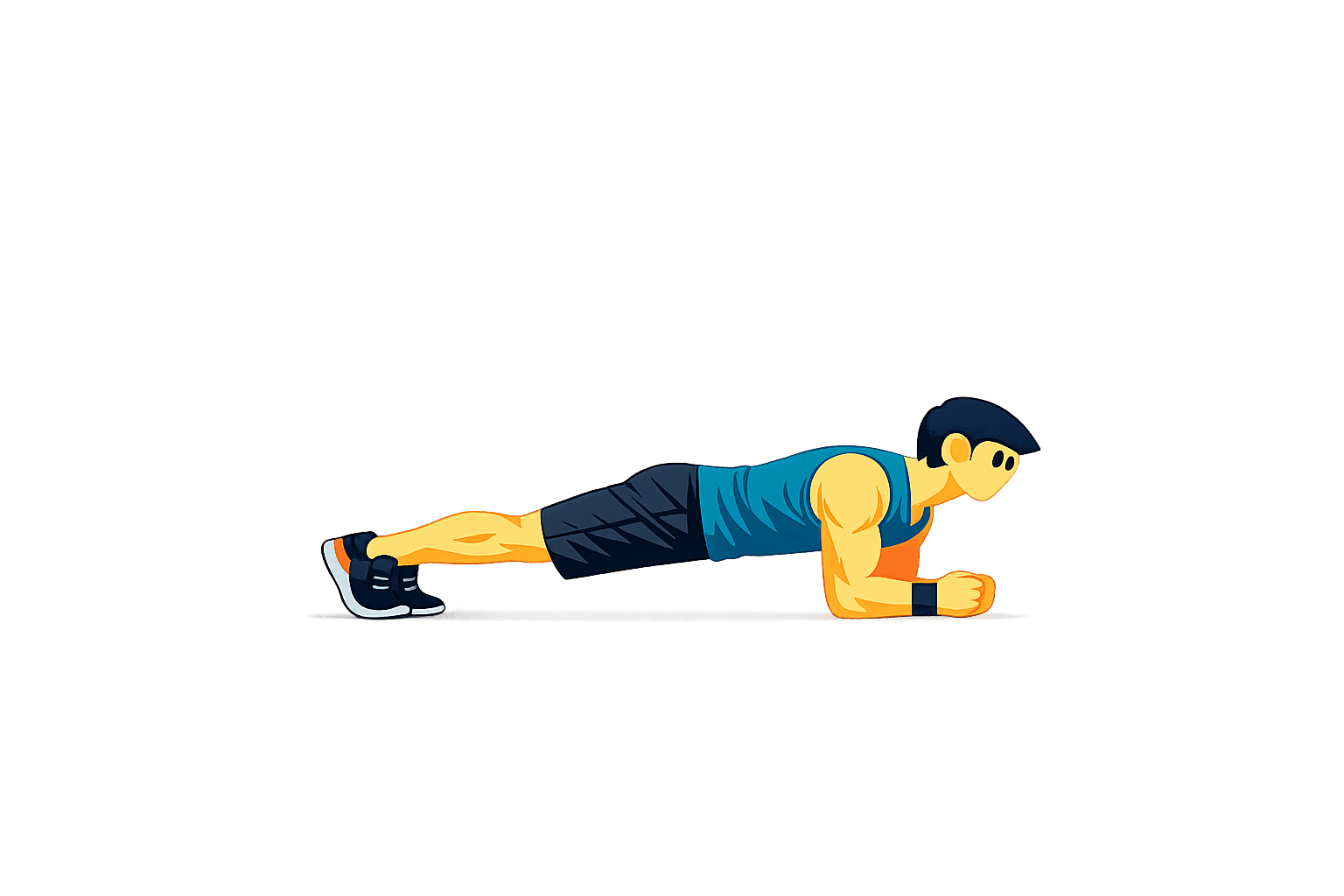
Plank
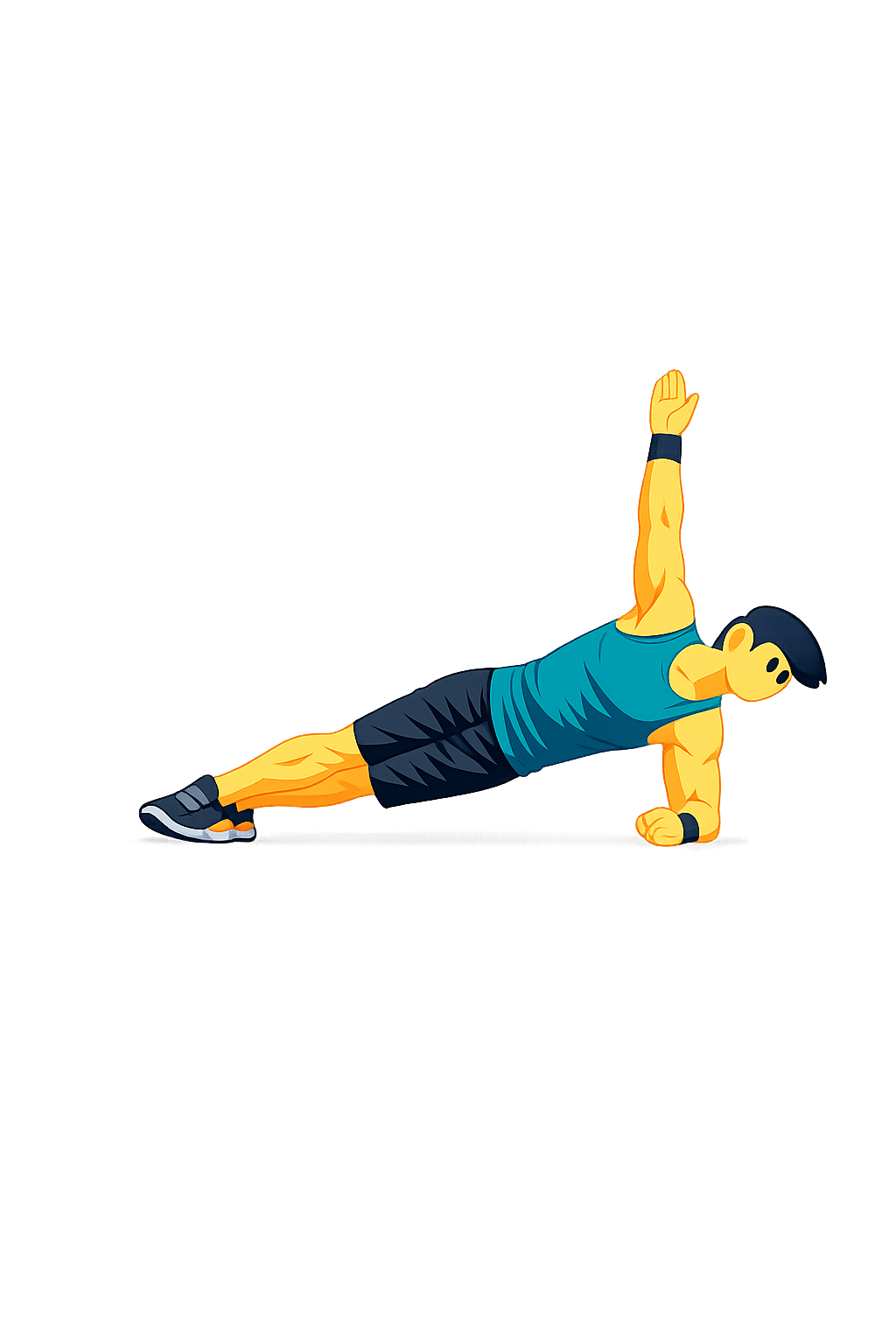
Side Plank
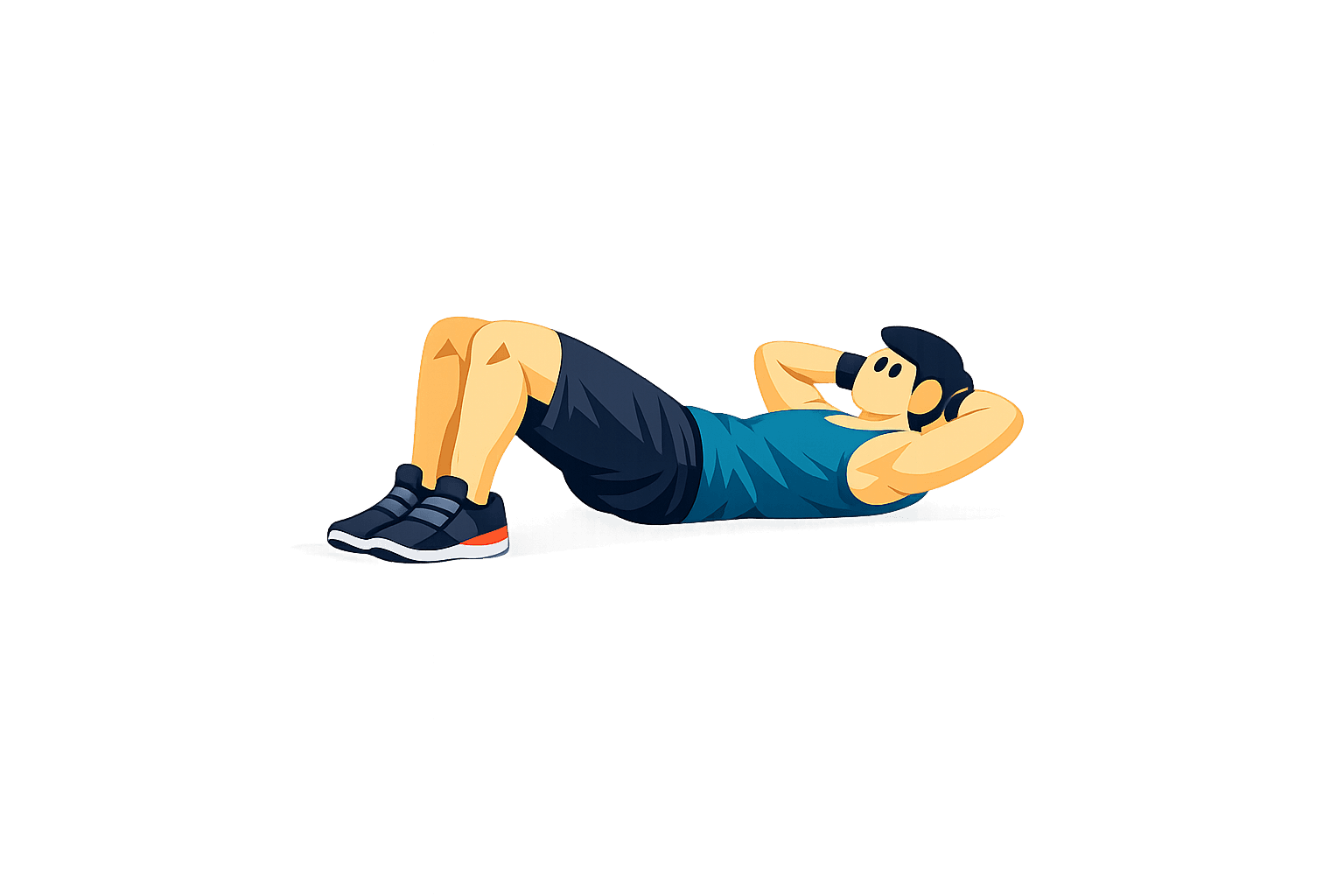
Crunches
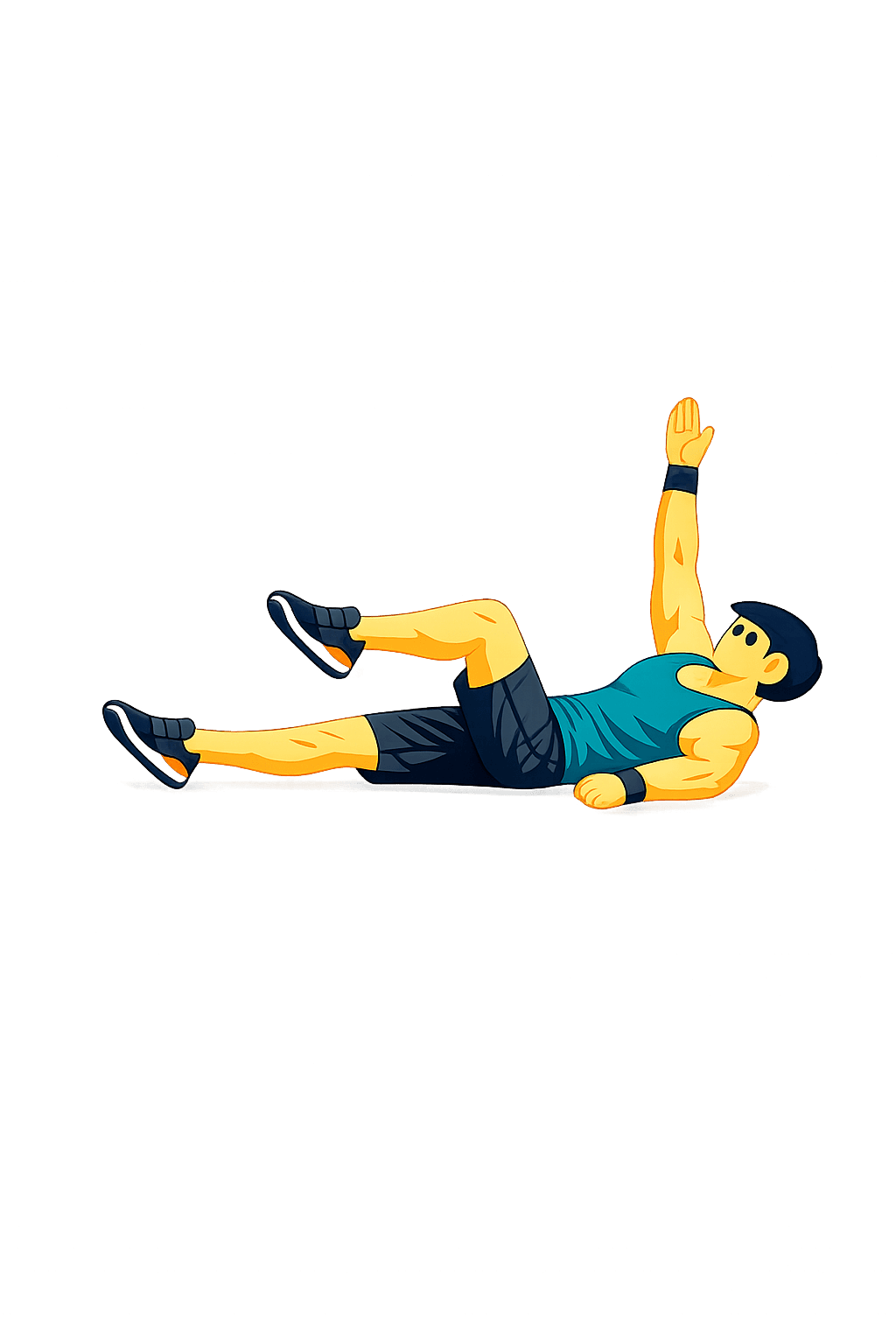
Dead Bug
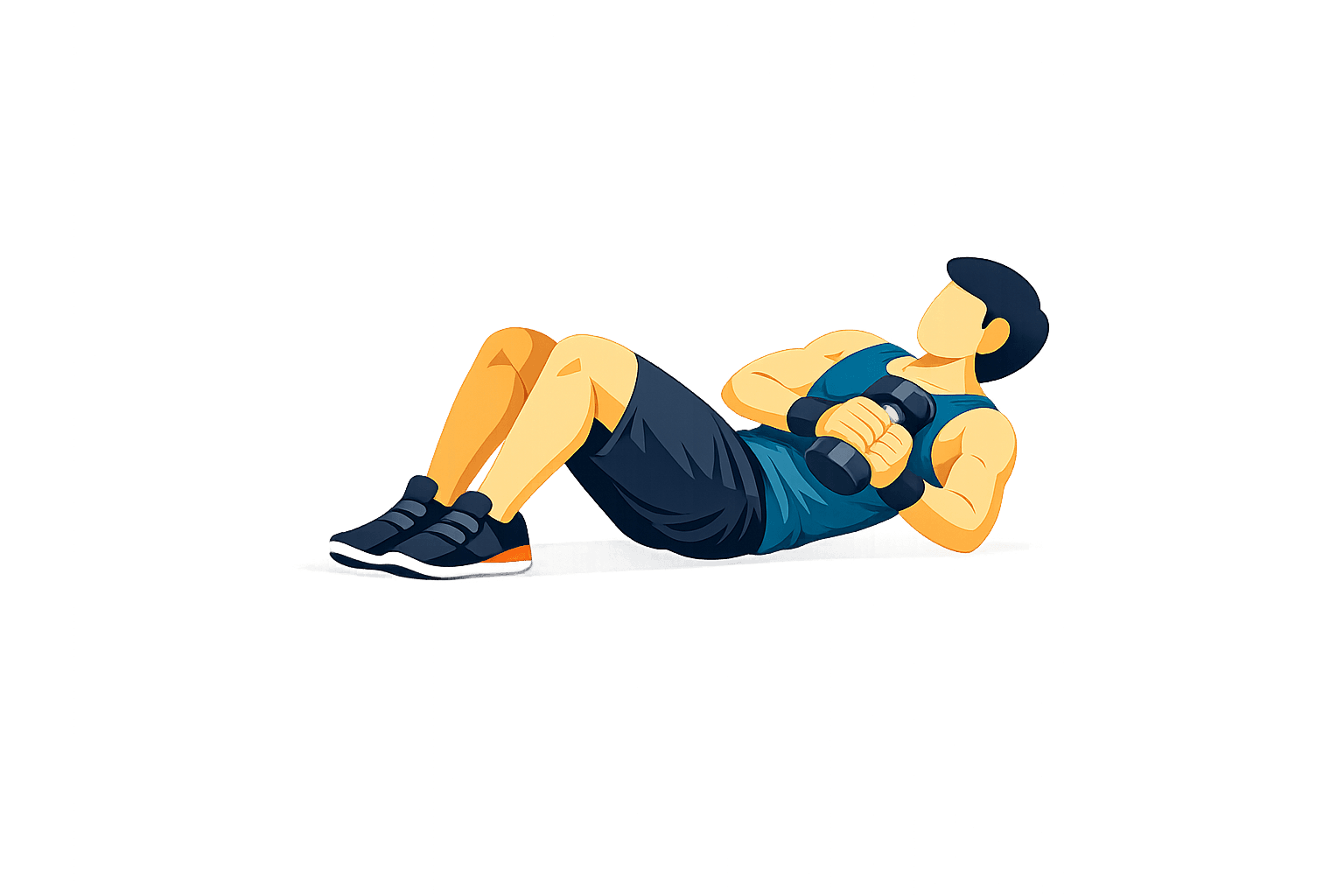
Russian Twist
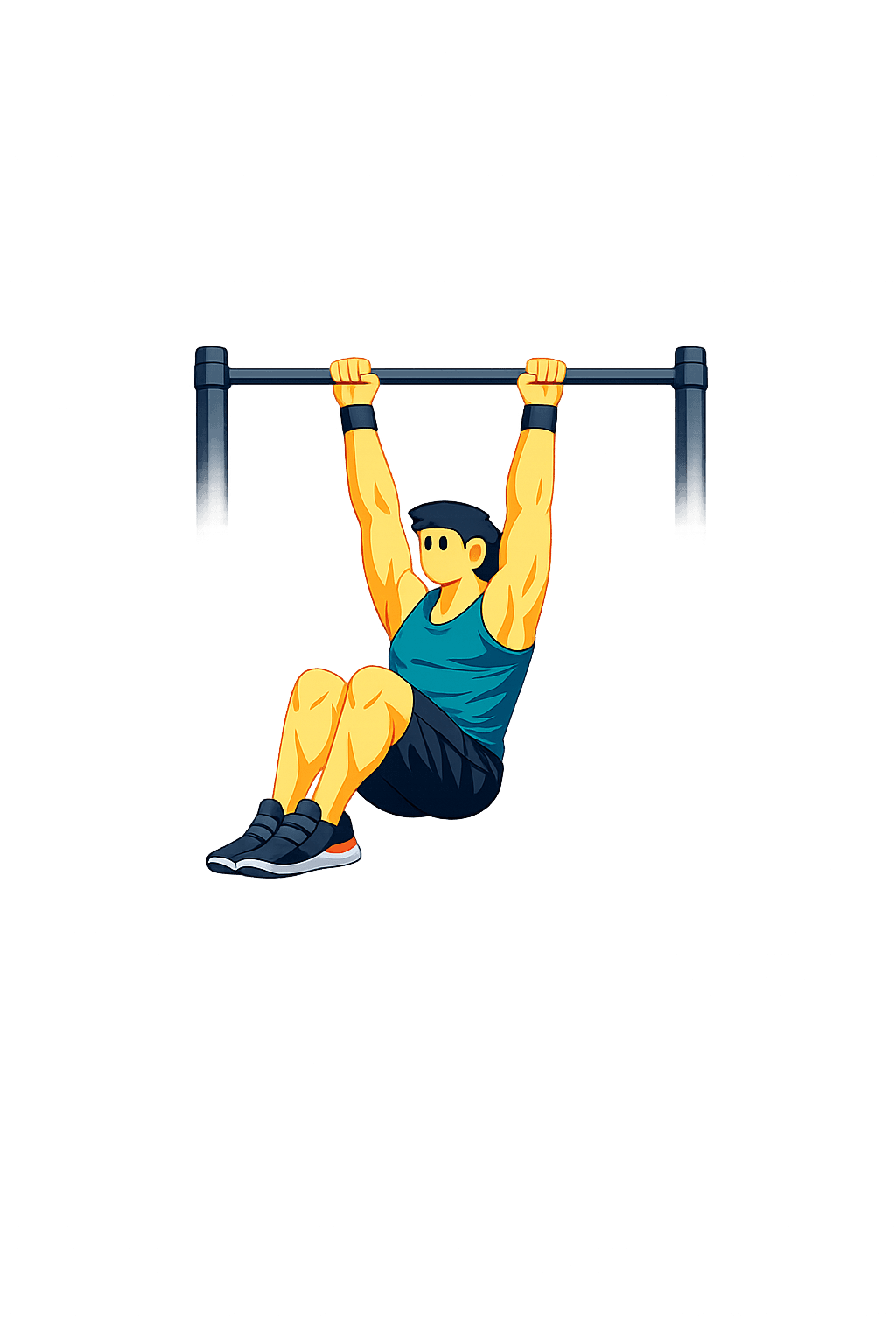
Hanging Knee Raise
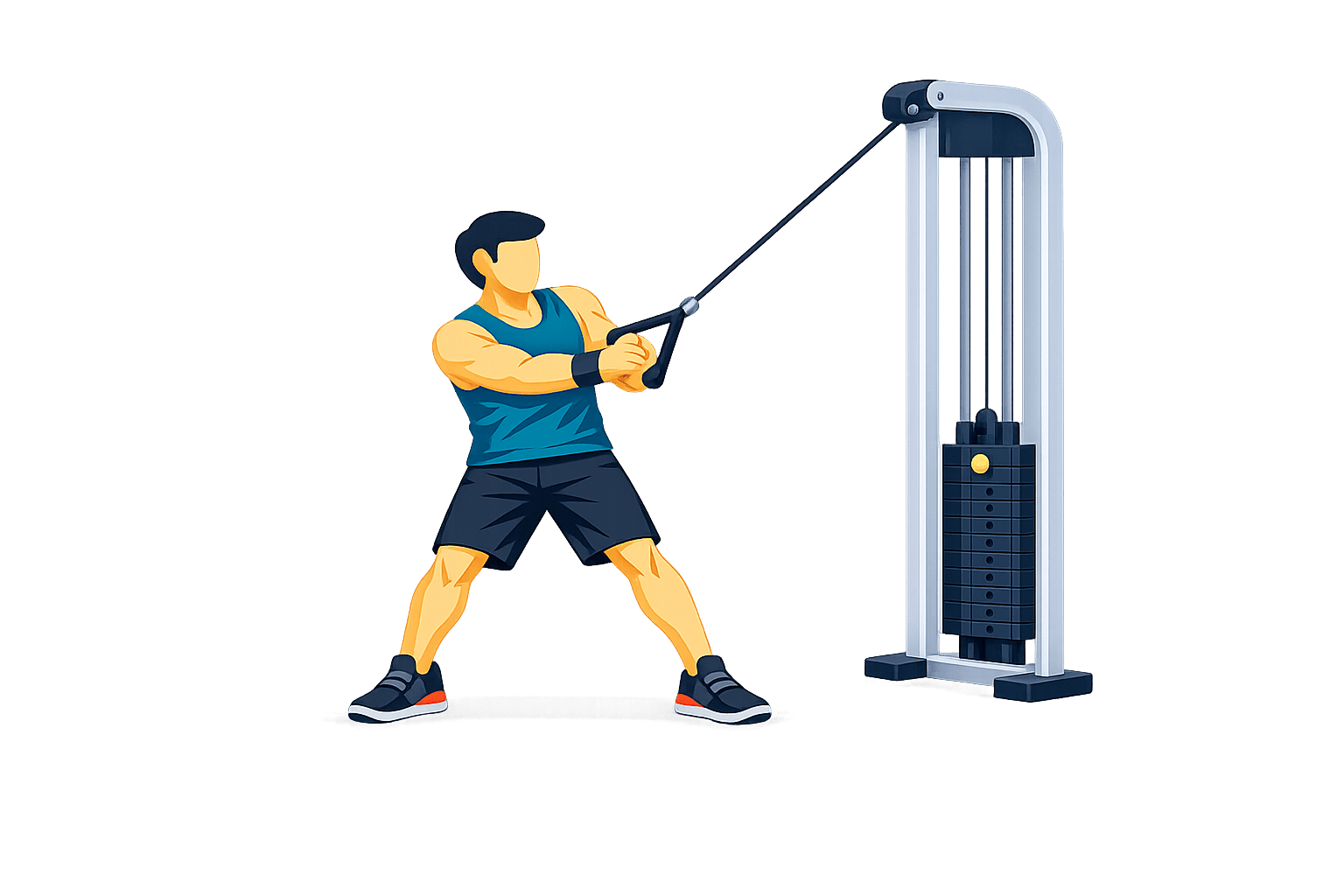
Cable Woodchop
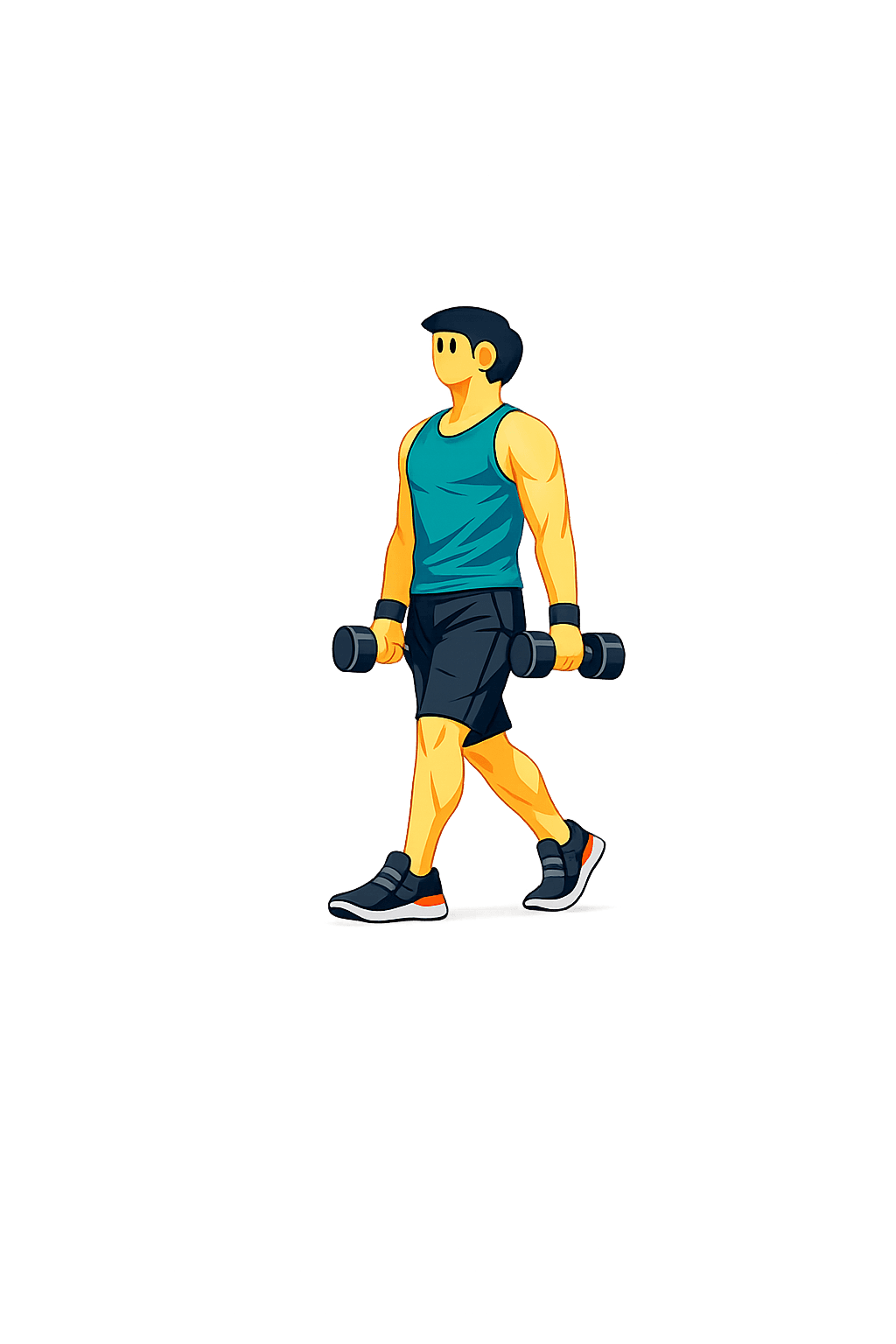
Farmer's Carry
Gym Workout App exercise instructions
Push-Ups
How to do it
- Place your hands slightly wider than your shoulders.
- Step your feet back and make a straight line from head to heels.
- Lower your chest toward the floor with control.
- Press back up until your arms are straight.
What to focus on
- Keep your hips from sagging or lifting too high.
- Let your elbows angle slightly back instead of flaring straight out.
- Move your chest and hips together.
Make it easier
- Place your hands on a bench, box, or wall.
- Lower only as far as you can control.
- Do fewer reps and keep each rep clean.
Avoid this
- Dropping your chest faster than your hips.
- Shrugging your shoulders toward your ears.
- Rushing through short, sloppy reps.
Bench Press
How to do it
- Lie on the bench with your feet planted.
- Grip the bar evenly and set your shoulders before unracking.
- Lower the bar toward your mid-chest with control.
- Press the bar back up in a steady line.
What to focus on
- Keep both wrists stacked over your elbows.
- Keep your upper back firm against the bench.
- Move both sides of the bar evenly.
Make it easier
- Use a lighter weight.
- Practice with an empty bar first.
- Use a machine chest press if the bar feels hard to control.
Avoid this
- Bouncing the bar off your chest.
- Letting one side rise faster than the other.
- Losing control when lowering the bar.
Dumbbell Bench Press
How to do it
- Lie on the bench with one dumbbell in each hand.
- Start with the dumbbells beside your chest.
- Press both dumbbells upward at the same time.
- Lower them slowly until your elbows are just below chest level.
What to focus on
- Keep your wrists straight and steady.
- Control both dumbbells equally.
- Keep your shoulders set against the bench.
Make it easier
- Use lighter dumbbells.
- Reduce the range slightly while learning the movement.
- Press one dumbbell at a time only if it stays controlled.
Avoid this
- Letting the dumbbells drift too wide.
- Crashing into the bottom position.
- Overarching your lower back to finish reps.
Incline Dumbbell Press
How to do it
- Set the bench to a low or moderate incline.
- Hold the dumbbells at upper-chest level.
- Press upward and slightly inward.
- Lower with control until your elbows are comfortable.
What to focus on
- Keep the press aimed at the upper chest, not straight over your face.
- Keep the shoulders down instead of shrugging.
- Move both dumbbells at the same speed.
Make it easier
- Use a lower bench angle.
- Choose lighter dumbbells.
- Stop the set before the dumbbells start drifting.
Avoid this
- Using a very steep bench that turns it into a shoulder press.
- Letting the elbows flare wide.
- Pressing with uneven arms.
Chest Press Machine
How to do it
- Adjust the seat so the handles start around chest height.
- Sit tall with your back against the pad.
- Press the handles forward until your arms are nearly straight.
- Return slowly until the handles come back beside your chest.
What to focus on
- Keep your shoulders relaxed against the pad.
- Press both handles evenly.
- Use a smooth return instead of letting the stack drop.
Make it easier
- Lower the weight.
- Use a shorter range until the setup feels natural.
- Pause briefly between reps.
Avoid this
- Letting your shoulders roll forward hard.
- Locking your elbows aggressively.
- Lifting your back off the pad.
Cable Chest Fly
How to do it
- Set the cable handles around chest height.
- Stand slightly forward with one foot staggered for balance.
- Bring the handles together in front of your chest.
- Open your arms back out slowly with a slight bend in the elbows.
What to focus on
- Keep the movement wide and controlled.
- Keep your chest lifted without leaning back.
- Let the chest do the work instead of turning it into a press.
Make it easier
- Use less weight.
- Step closer to the cables.
- Use a smaller range until the motion feels stable.
Avoid this
- Bending and straightening the elbows like a press.
- Letting the cables pull your arms too far back.
- Twisting your torso to finish reps.
Band Chest Press
How to do it
- Anchor the band behind you at chest height.
- Hold one end in each hand and step forward to create tension.
- Press both hands forward until your arms are nearly straight.
- Return slowly to the start.
What to focus on
- Keep the band even on both sides.
- Keep your ribs down and torso steady.
- Press straight forward rather than upward.
Make it easier
- Use a lighter band.
- Step closer to the anchor point.
- Press one arm at a time if both sides feel uneven.
Avoid this
- Letting the band snap you backward.
- Flaring your elbows too wide.
- Arching your back to finish the press.
Lat Pulldown
How to do it
- Sit with your thighs secured under the pad.
- Grip the bar wider than shoulder width.
- Pull the bar down toward your upper chest.
- Return the bar upward slowly with control.
What to focus on
- Start the pull by drawing your shoulder blades down.
- Keep your chest tall without leaning far back.
- Control the stretch at the top.
Make it easier
- Use less weight.
- Use a closer grip if it feels more natural.
- Pause briefly at the top before each rep.
Avoid this
- Pulling the bar behind your neck.
- Swinging your torso to move the weight.
- Shrugging your shoulders as you pull.
Seated Cable Row
How to do it
- Sit tall with your feet braced.
- Hold the handle with your arms extended.
- Pull the handle toward your lower ribs.
- Return slowly until your arms extend again.
What to focus on
- Keep your torso steady through the whole rep.
- Pull your elbows back instead of shrugging.
- Let the shoulder blades move smoothly.
Make it easier
- Use less weight.
- Sit more upright and shorten the pull.
- Pause between reps to reset your posture.
Avoid this
- Rocking forward and backward to move the handle.
- Rounding your upper back at the start.
- Pulling only with your arms.
Dumbbell Row
How to do it
- Support one hand and knee on a bench, or hinge with one hand braced.
- Hold the dumbbell below your shoulder.
- Row the dumbbell toward your hip.
- Lower it slowly until your arm is extended again.
What to focus on
- Keep your back steady and flat.
- Pull your elbow back, not straight up.
- Keep your neck relaxed and gaze down.
Make it easier
- Use a lighter dumbbell.
- Support your free hand on a bench or rack.
- Reduce the range if your torso twists.
Avoid this
- Rotating your whole body to lift the dumbbell.
- Shrugging the shoulder at the top.
- Dropping the weight quickly.
Barbell Row
How to do it
- Stand with feet about hip-width apart and hold the bar in front of you.
- Hinge at the hips until your torso is angled forward.
- Pull the bar toward your lower ribs.
- Lower the bar with control while keeping your torso set.
What to focus on
- Keep the hinge position steady.
- Pull elbows back rather than lifting with your neck.
- Keep the bar close to your body.
Make it easier
- Use less weight.
- Raise your torso slightly more upright.
- Try dumbbell rows first if the position is hard to hold.
Avoid this
- Turning each rep into a standing swing.
- Rounding your lower back.
- Jerking the bar from the floor.
Assisted Pull-Up
How to do it
- Set the machine assistance and grip the handles or bar.
- Place your knees or feet on the support pad.
- Pull your chest toward the handles.
- Lower slowly until your arms are extended again.
What to focus on
- Start by pulling your shoulders down.
- Keep your body steady on the pad.
- Use the same range on every rep.
Make it easier
- Increase the assistance.
- Use a shorter range while learning.
- Do fewer reps with cleaner control.
Avoid this
- Letting the support pad bounce.
- Pulling with only your arms.
- Dropping quickly into the bottom position.
Pull-Up
How to do it
- Grip the bar with your hands about shoulder-width or slightly wider.
- Hang with your body steady.
- Pull yourself up until your chin reaches the bar area.
- Lower under control back to a full hang.
What to focus on
- Start each rep from a quiet body position.
- Pull your elbows down toward your sides.
- Keep your legs from swinging.
Make it easier
- Use an assisted pull-up machine.
- Use a resistance band for support.
- Do controlled negatives or fewer reps.
Avoid this
- Kicking your legs to get up.
- Shrugging at the top.
- Dropping suddenly from the bar.
Band Row
How to do it
- Anchor the band in front of you at about chest height.
- Hold the band with both hands and step back to create tension.
- Pull your elbows back until your hands reach your ribs.
- Return slowly until your arms extend.
What to focus on
- Keep your chest lifted and shoulders relaxed.
- Pull evenly with both arms.
- Keep tension on the band throughout the rep.
Make it easier
- Step closer to the anchor.
- Use a lighter band.
- Pause between reps to reset your posture.
Avoid this
- Leaning backward to finish the pull.
- Letting the band snap forward.
- Shrugging your shoulders during the row.
Dumbbell Shoulder Press
How to do it
- Sit or stand with a dumbbell in each hand at shoulder height.
- Brace your torso and press the dumbbells overhead.
- Stop when your arms are straight but not forced.
- Lower the dumbbells back to shoulder height with control.
What to focus on
- Keep your ribs from flaring forward.
- Press both dumbbells evenly.
- Keep the wrists stacked over the elbows.
Make it easier
- Use lighter dumbbells.
- Perform the exercise seated with back support.
- Press one arm at a time if needed.
Avoid this
- Leaning back to turn it into an incline press.
- Letting the dumbbells drift far behind your head.
- Rushing the lowering phase.
Shoulder Press Machine
How to do it
- Adjust the seat so the handles start near shoulder height.
- Sit with your back supported.
- Press the handles overhead until your arms are nearly straight.
- Lower the handles slowly back to the start.
What to focus on
- Keep your head and chest steady.
- Press evenly through both hands.
- Keep your shoulders down instead of shrugging.
Make it easier
- Lower the weight.
- Use a smaller range until the path feels comfortable.
- Pause briefly at the bottom before pressing.
Avoid this
- Arching your lower back off the seat.
- Locking your elbows hard at the top.
- Letting the weight stack slam down.
Lateral Raise
How to do it
- Stand tall with dumbbells by your sides.
- Lift your arms out to the sides until they reach about shoulder height.
- Keep a slight bend in your elbows.
- Lower the dumbbells slowly back down.
What to focus on
- Lead with the elbows, not the hands.
- Keep the movement controlled and light.
- Keep your torso still.
Make it easier
- Use lighter dumbbells.
- Raise only partway up.
- Do one arm at a time.
Avoid this
- Swinging the dumbbells with your hips.
- Shrugging your shoulders up.
- Lifting far above shoulder height to force extra range.
Face Pull
How to do it
- Set the cable or band around face height.
- Hold the rope or handles with both hands.
- Pull toward your face while spreading your hands slightly apart.
- Return slowly until your arms extend again.
What to focus on
- Keep your elbows high but controlled.
- Pull from the upper back and rear shoulders.
- Keep your torso still.
Make it easier
- Use less weight or lighter band tension.
- Step closer to the anchor.
- Pull to chest height if face height feels awkward.
Avoid this
- Leaning back to move the weight.
- Turning it into a row to your stomach.
- Shrugging your shoulders toward your ears.
Band Pull-Apart
How to do it
- Hold a band in front of your chest with both hands.
- Keep your arms mostly straight.
- Pull the band apart until your hands move out toward your sides.
- Return slowly to the start.
What to focus on
- Keep the shoulders down and relaxed.
- Move evenly with both arms.
- Feel the upper back working as the band opens.
Make it easier
- Hold the band with a wider grip.
- Use a lighter band.
- Reduce the range.
Avoid this
- Bending the elbows to make it easier.
- Arching your back as the band opens.
- Letting the band snap back quickly.
Dumbbell Biceps Curl
How to do it
- Stand or sit tall with dumbbells by your sides.
- Curl the dumbbells toward your shoulders.
- Keep your elbows close to your body.
- Lower the dumbbells slowly back down.
What to focus on
- Keep the upper arms mostly still.
- Control the lowering part of each rep.
- Keep your wrists neutral.
Make it easier
- Use lighter dumbbells.
- Curl one arm at a time.
- Reduce reps and keep the movement clean.
Avoid this
- Swinging your torso to lift the weight.
- Letting your elbows drift far forward.
- Dropping the dumbbells quickly.
Barbell Curl
How to do it
- Stand tall and hold the bar with palms facing up.
- Keep your elbows near your sides.
- Curl the bar toward your chest.
- Lower the bar slowly until your arms are extended.
What to focus on
- Keep your torso still.
- Move the bar smoothly through each rep.
- Keep the wrists straight rather than bent back.
Make it easier
- Use a lighter bar.
- Reduce the reps.
- Try dumbbell curls if the bar feels awkward.
Avoid this
- Leaning back to swing the bar up.
- Letting the elbows move far forward.
- Cutting the lowering phase short.
Cable Triceps Pushdown
How to do it
- Stand facing the cable with elbows tucked near your sides.
- Hold the bar, rope, or handle at chest height.
- Push down until your arms are straight.
- Let the handle return slowly while keeping elbows in place.
What to focus on
- Keep your upper arms still.
- Finish each rep with control.
- Keep your torso upright instead of leaning over the cable.
Make it easier
- Use less weight.
- Use a rope if the straight bar feels awkward.
- Do fewer reps with cleaner elbow position.
Avoid this
- Letting elbows swing forward and back.
- Pressing with your shoulders.
- Letting the weight stack pull your arms up quickly.
Dumbbell Triceps Extension
How to do it
- Hold one dumbbell with both hands overhead, or use one dumbbell per hand.
- Bend your elbows so the weight lowers behind your head.
- Keep your upper arms mostly still.
- Extend your elbows to raise the weight again.
What to focus on
- Keep the elbows pointing mostly forward.
- Move slowly at the bottom.
- Keep your ribs down and torso steady.
Make it easier
- Use a lighter dumbbell.
- Do the movement seated.
- Use a smaller range until the elbows feel controlled.
Avoid this
- Letting your elbows flare wide.
- Arching your back to move the weight.
- Dropping the dumbbell quickly behind your head.
Bench Dips
How to do it
- Sit on the edge of a bench and place your hands beside your hips.
- Walk your feet forward and move your hips just off the bench.
- Bend your elbows to lower your body.
- Press through your hands to return to the start.
What to focus on
- Keep your shoulders away from your ears.
- Keep your hips close to the bench.
- Use a controlled range that feels steady.
Make it easier
- Bend your knees and keep your feet closer.
- Lower only partway.
- Do fewer reps per set.
Avoid this
- Letting your shoulders roll forward hard.
- Dropping too deep.
- Moving your hips far away from the bench.
Band Biceps Curl
How to do it
- Stand on the band with both feet or one foot.
- Hold the ends with your palms facing up.
- Curl your hands toward your shoulders.
- Lower slowly while keeping tension on the band.
What to focus on
- Keep your elbows near your sides.
- Keep the band tension even.
- Control the last part of the lowering phase.
Make it easier
- Use a lighter band.
- Stand on the band with one foot only.
- Hold the band higher to reduce tension.
Avoid this
- Rocking backward to curl.
- Letting the elbows drift forward.
- Letting the band snap down.
Band Triceps Extension
How to do it
- Anchor the band above or behind you.
- Hold the band with elbows bent and upper arms steady.
- Extend your elbows until your arms are straight.
- Return slowly to the start.
What to focus on
- Keep the elbows from moving around.
- Keep steady band tension through the whole rep.
- Finish with control instead of snapping the band.
Make it easier
- Use a lighter band.
- Step closer to the anchor.
- Use a smaller range while learning.
Avoid this
- Turning it into a shoulder movement.
- Letting the band pull your arms back suddenly.
- Flaring the elbows wide.
Bodyweight Squat
How to do it
- Stand with feet about shoulder-width apart.
- Bend your knees and hips as you sit down into the squat.
- Keep your chest steady and feet planted.
- Stand back up by pressing through the floor.
What to focus on
- Keep knees tracking in the same direction as your toes.
- Stay balanced through the whole foot.
- Use a depth you can control.
Make it easier
- Squat to a chair or box.
- Use a smaller range.
- Hold a stable surface for balance.
Avoid this
- Letting the knees collapse inward.
- Lifting your heels.
- Dropping quickly into the bottom.
Goblet Squat
How to do it
- Hold one dumbbell close to your chest.
- Stand with your feet about shoulder-width apart.
- Squat down while keeping the weight close.
- Stand back up by pressing through your feet.
What to focus on
- Keep your chest tall and elbows close.
- Keep the dumbbell from drifting forward.
- Control the bottom position before standing.
Make it easier
- Use a lighter dumbbell.
- Squat to a box or bench.
- Reduce the depth until you feel stable.
Avoid this
- Letting the weight pull your torso forward.
- Lifting your heels.
- Rushing the bottom of the squat.
Barbell Back Squat
How to do it
- Set the bar across your upper back and grip it evenly.
- Step out with your feet set firmly.
- Squat down by bending hips and knees together.
- Stand back up while keeping the bar balanced over your feet.
What to focus on
- Keep your torso braced before each rep.
- Keep knees tracking with the toes.
- Keep the bar path steady.
Make it easier
- Use less weight.
- Squat to a box for a consistent depth.
- Practice goblet squats first.
Avoid this
- Letting the knees cave inward.
- Losing balance toward the toes.
- Adding weight before the squat path feels controlled.
Leg Press
How to do it
- Sit in the machine with your back supported.
- Place your feet on the platform about shoulder-width apart.
- Lower the platform by bending your knees.
- Press the platform away until your legs are nearly straight.
What to focus on
- Keep your knees tracking with your toes.
- Keep your hips and back against the pad.
- Control the depth and return.
Make it easier
- Use less weight.
- Use a shorter range while finding your setup.
- Place your feet slightly higher if it feels more stable.
Avoid this
- Locking your knees hard at the top.
- Letting your knees collapse inward.
- Letting your lower back lift from the pad.
Walking Lunges
How to do it
- Stand tall with space in front of you.
- Step forward and lower until both knees bend.
- Push through the front foot to bring the back leg forward.
- Continue alternating legs for the planned reps.
What to focus on
- Keep each step controlled.
- Keep the front knee tracking over the foot.
- Stay tall instead of leaning far forward.
Make it easier
- Use bodyweight only.
- Take shorter steps.
- Do reverse lunges instead.
Avoid this
- Letting the front knee cave inward.
- Pushing off the back foot too aggressively.
- Rushing through wobbly steps.
Bodyweight Reverse Lunge
How to do it
- Stand tall with feet under your hips.
- Step one foot backward and lower both knees.
- Push through the front foot to return to standing.
- Alternate sides or complete all reps on one side.
What to focus on
- Keep most of the work in the front leg.
- Keep your torso upright.
- Step back far enough to make room for both knees.
Make it easier
- Hold a wall or chair for balance.
- Lower only partway.
- Do fewer reps per side.
Avoid this
- Pushing mainly from the back foot.
- Letting the front knee collapse inward.
- Taking a step so short that the movement feels cramped.
Step-Ups
How to do it
- Stand in front of a stable bench or box.
- Place one full foot on top.
- Press through that foot to stand up.
- Step back down with control and repeat.
What to focus on
- Use the top leg to lift, not a jump from the floor.
- Keep the knee tracking over the foot.
- Stand tall at the top before stepping down.
Make it easier
- Use a lower step.
- Use bodyweight only.
- Hold a support lightly for balance.
Avoid this
- Pushing hard off the bottom foot.
- Letting the top knee cave inward.
- Dropping down quickly.
Romanian Deadlift
How to do it
- Stand with the bar held in front of your thighs.
- Keep a soft bend in the knees.
- Hinge your hips back and lower the bar along your legs.
- Stand tall by driving the hips forward.
What to focus on
- Keep the bar close to your body.
- Feel the hinge in the hips and hamstrings.
- Keep your back position steady.
Make it easier
- Use less weight.
- Lower only to knee height.
- Practice the hip hinge without weight first.
Avoid this
- Squatting the movement instead of hinging.
- Letting the bar drift forward.
- Rounding your back to reach lower.
Dumbbell Romanian Deadlift
How to do it
- Hold dumbbells in front of your thighs.
- Keep your knees slightly bent.
- Push your hips back and lower the dumbbells along your legs.
- Stand tall by bringing the hips forward.
What to focus on
- Keep the dumbbells close to your legs.
- Move from the hips, not by rounding down.
- Keep the neck in line with your torso.
Make it easier
- Use lighter dumbbells.
- Lower only as far as you can control.
- Try one dumbbell held with both hands.
Avoid this
- Turning it into a squat.
- Reaching the dumbbells far away from your body.
- Rushing the return to standing.
Leg Curl Machine
How to do it
- Adjust the machine so the pad sits comfortably near your lower legs.
- Set your body firmly against the seat or bench.
- Curl your heels toward you.
- Return slowly until your legs are extended again.
What to focus on
- Keep your hips from lifting or shifting.
- Move through a controlled range.
- Slow down the return phase.
Make it easier
- Use less weight.
- Shorten the range slightly.
- Pause briefly before each rep.
Avoid this
- Jerking the pad with momentum.
- Letting your hips lift from the machine.
- Letting the weight stack slam down.
Leg Extension Machine
How to do it
- Adjust the seat so your knees line up with the machine pivot.
- Place the pad above your ankles.
- Extend your legs until they are nearly straight.
- Lower the pad slowly back down.
What to focus on
- Keep your back against the seat.
- Move both legs evenly.
- Control the top and bottom of each rep.
Make it easier
- Use less weight.
- Use a smaller range while setting up.
- Pause between reps to reset.
Avoid this
- Kicking the weight up with momentum.
- Locking the knees hard at the top.
- Letting the stack drop quickly.
Glute Bridge
How to do it
- Lie on your back with knees bent and feet flat.
- Place your feet close enough that your shins are roughly vertical at the top.
- Press through your feet and lift your hips.
- Lower your hips back down with control.
What to focus on
- Squeeze the glutes at the top without over-arching.
- Keep ribs and hips controlled.
- Press through the heels and mid-foot.
Make it easier
- Use a smaller range.
- Pause less at the top.
- Do fewer reps per set.
Avoid this
- Pushing so high that your lower back takes over.
- Letting knees collapse inward.
- Rushing the lowering phase.
Hip Thrust
How to do it
- Sit with your upper back against a bench.
- Place the bar or weight across your hips if using load.
- Set your feet flat and drive your hips upward.
- Lower with control until your hips come back down.
What to focus on
- Keep your chin slightly tucked.
- Finish with hips extended, not lower back arched.
- Keep knees tracking over feet.
Make it easier
- Do a bodyweight hip thrust first.
- Use a lighter weight.
- Shorten the range until the bench setup feels stable.
Avoid this
- Letting the bench slide or wobble.
- Overarching the lower back at the top.
- Placing the feet so far away that hamstrings cramp.
Standing Calf Raise
How to do it
- Stand tall with feet about hip-width apart.
- Rise onto the balls of your feet.
- Pause briefly at the top.
- Lower your heels slowly back down.
What to focus on
- Move straight up and down.
- Control the lowering phase.
- Keep ankles from rolling outward or inward.
Make it easier
- Hold a wall or rack for balance.
- Use bodyweight only.
- Do fewer reps with a full pause.
Avoid this
- Bouncing quickly through reps.
- Letting ankles wobble.
- Cutting the movement short.
Band Squat
How to do it
- Stand on the band or place it around your legs depending on the band type.
- Set your feet firmly.
- Squat down with control.
- Stand back up while keeping band tension steady.
What to focus on
- Keep knees tracking with your toes.
- Keep the band from pulling you out of position.
- Stay balanced through the full foot.
Make it easier
- Use a lighter band.
- Reduce the squat depth.
- Practice bodyweight squats first.
Avoid this
- Letting the knees collapse inward.
- Letting the band snap or shift.
- Leaning forward to escape the tension.
Plank
How to do it
- Place your elbows or hands under your shoulders.
- Step your feet back and make a long line from head to heels.
- Hold for the planned time.
- Breathe steadily until the timer ends.
What to focus on
- Keep ribs and hips controlled.
- Press the floor away gently.
- Keep your neck neutral.
Make it easier
- Place your knees on the floor.
- Shorten the hold time.
- Rest longer between holds.
Avoid this
- Letting hips sag toward the floor.
- Raising hips too high.
- Holding your breath.
Side Plank
How to do it
- Lie on one side with your elbow under your shoulder.
- Stack or stagger your feet.
- Lift your hips until your body forms a straight line.
- Hold for the planned time, then switch sides.
What to focus on
- Keep your hips lifted and aligned.
- Keep your shoulder stable over the elbow.
- Breathe without letting the position collapse.
Make it easier
- Bend the bottom knee and keep it on the floor.
- Shorten the timer.
- Stagger the feet for more balance.
Avoid this
- Letting the hips roll forward or backward.
- Shrugging into the supporting shoulder.
- Twisting the torso to stay up.
Crunches
How to do it
- Lie on your back with knees bent and feet flat.
- Place hands lightly behind your head or across your chest.
- Curl your upper back off the floor.
- Lower back down with control.
What to focus on
- Lift with the abs, not by pulling the neck.
- Keep the movement small and controlled.
- Exhale as you curl up.
Make it easier
- Keep hands across your chest.
- Lift only partway.
- Reduce the reps per set.
Avoid this
- Pulling your head forward with your hands.
- Swinging up with momentum.
- Letting the lower back arch hard.
Dead Bug
How to do it
- Lie on your back with arms up and knees bent over your hips.
- Slowly lower one arm and the opposite leg.
- Return to the start and switch sides.
- Keep alternating for the planned reps.
What to focus on
- Keep your lower back position steady.
- Move slowly enough to stay controlled.
- Reach long through the moving arm and leg.
Make it easier
- Move only the legs.
- Tap the heel lightly instead of extending the leg fully.
- Use a smaller range.
Avoid this
- Letting your back arch as the leg lowers.
- Moving too fast.
- Holding your breath.
Russian Twist
How to do it
- Sit with knees bent and torso leaning slightly back.
- Hold your hands together or hold a light dumbbell.
- Rotate your torso to one side, then the other.
- Keep the movement controlled through each rep.
What to focus on
- Turn your chest, not just your hands.
- Keep your spine long.
- Move side to side without rushing.
Make it easier
- Keep your feet on the floor.
- Use no weight.
- Sit more upright.
Avoid this
- Swinging the arms without rotating the torso.
- Rounding heavily through the back.
- Twisting too fast to stay controlled.
Hanging Knee Raise
How to do it
- Hang from a pull-up bar with a steady grip.
- Let your legs hang straight below you.
- Raise your knees toward your chest.
- Lower them slowly back to the start.
What to focus on
- Keep the body from swinging.
- Lift the knees with control, not momentum.
- Reset your hang between reps if needed.
Make it easier
- Use a captain's chair if available.
- Raise the knees only partway.
- Do fewer reps with longer rest.
Avoid this
- Kicking the legs up.
- Swinging back and forth between reps.
- Losing your grip position mid-set.
Cable Woodchop
How to do it
- Set the cable to a high or low position depending on the direction.
- Stand side-on to the machine and hold the handle with both hands.
- Rotate the handle diagonally across your body.
- Return slowly to the start and repeat before switching sides.
What to focus on
- Rotate through the torso and hips together.
- Keep your arms long but not locked.
- Control the return path.
Make it easier
- Use less weight.
- Use a shorter diagonal range.
- Move more slowly between reps.
Avoid this
- Pulling only with your arms.
- Twisting so fast you lose balance.
- Letting the cable snap back.
Farmer's Carry
How to do it
- Hold one dumbbell in each hand by your sides.
- Stand tall with shoulders level.
- Walk for the planned time or distance.
- Set the dumbbells down with control when finished.
What to focus on
- Keep your steps steady and controlled.
- Keep your torso tall without leaning.
- Keep the dumbbells from swinging.
Make it easier
- Use lighter dumbbells.
- Walk a shorter distance or time.
- Rest between shorter carries.
Avoid this
- Rounding your shoulders forward.
- Letting the weights pull you side to side.
- Dropping the dumbbells at the end.
Build a Gym Workout You Can Actually Repeat
A gym workout app is most useful when it helps you move from a rough plan to a routine you can follow in the gym, at home, or while traveling. This builder helps you create a custom gym workout from selectable exercises, preset routines, and editable workout fields such as sets, reps, rest, timers, and optional weight.
The goal is not to lock you into one fixed program. You can start with a simple full body workout, a push or pull session, a dumbbell routine, a no-equipment workout, or a hotel gym workout, then adjust it to match your equipment and the time you have. Each exercise becomes a checklist step, so the workout is clear when you are ready to run it.
Why Use Checklist for Gym Workouts?
Many gym apps are built around detailed lifting logs, coaching plans, advanced charts, or automatic programming. That can be useful, but it is more than most people need. Checklist is a better fit when your main need is to build a practical workout routine, save it, and repeat it without recreating the plan every time.
This works well for gym workouts because exercise routines are naturally repeatable. You may have one routine for full body days, one for push workouts, one for legs, and one for travel. Each routine can have its own exercise order, reps, sets, rest times, and notes.
Checklist also keeps workouts next to the rest of your routines. A gym workout can sit alongside stretching, yoga, mobility, habits, travel checklists, home routines, or work processes. That is useful when fitness is part of a wider routine system rather than something you want to manage in a separate app.
How the Gym Workout Builder Works
Start by choosing a preset workout or building from the exercise list. Presets give you a quick starting point, while the full list lets you create something more specific. You can filter exercises by goal, location, body area, equipment, type, and difficulty.
For example, you can filter for dumbbell exercises, home-friendly movements, core exercises, machine-based exercises, or beginner-friendly gym exercises. Once you select the exercises you want, you can adjust the workout details before saving or running it.
Each exercise can include practical fields such as:
- Sets
- Reps
- Rest time
- Timer or duration where relevant
- Optional weight
- Exercise notes
You can remove exercises that do not fit, add others from the list, and reorder the routine so it follows the way you want to train. When the workout is ready, you can create a one-time checklist session or save it as a reusable routine template.
Gym Workout Routine Ideas
The builder is designed around practical routines people are likely to repeat. You can use it for simple gym plans, home workouts, travel workouts, or focused training days.
Useful starting points include:
- Beginner full body gym workout
- Quick full body workout
- Push workout
- Pull workout
- Legs workout
- Upper body workout
- Lower body workout
- Dumbbell full body workout
- No-equipment workout
- Core workout
- Chest and triceps workout
- Back and biceps workout
- Glutes and legs workout
- Gym machine circuit
- Basic barbell routine
- At-home resistance band workout
- Travel hotel gym workout
These are not meant to be complex multi-week programs. They are reusable workout templates you can edit, run, and repeat. That keeps the builder flexible without pretending to replace a coach or a dedicated strength-programming app.
Run the Workout Step by Step
A workout plan is easier to use when it turns into a sequence you can follow. In Checklist, each selected exercise becomes a step in the routine. You can run the workout in Play Mode, move through each exercise in order, use timers where they apply, and mark steps as complete.
This is especially useful during a workout because you do not need to keep checking a long note or remember what comes next. The routine gives you the next exercise, the planned reps or timer, and the rest time where relevant. If the workout needs to change later, you can update the saved routine instead of starting from scratch.
Save, Schedule, and Repeat Your Workout
A one-time workout list can be useful, but a saved workout routine is better when you want consistency. Once you create a routine, you can reuse it later, schedule it, and keep completed sessions in your history.
This makes the builder useful for repeatable training patterns. You might schedule a full body routine twice a week, keep a separate legs routine, or save a hotel gym workout for travel. Completed sessions help you see what you actually ran before, without turning Checklist into a deep lifting analytics tool.
The focus is simple: build the workout once, adjust it when needed, and make it easy to run again.
Who This Builder Is For
This gym workout builder is mainly for people who want structure without a complicated training system. It fits beginners, casual gym users, people returning to training, travelers, home workout users, and anyone who prefers a clear routine they can customize and repeat.
It is also useful if you already know roughly what you want to do but need a better way to organize it. Instead of keeping a workout in a note, spreadsheet, or memory, you can turn it into a Checklist routine with steps, fields, timers, and history.
If you need advanced coaching, automatic progressive overload, nutrition tracking, recovery algorithms, or detailed strength analytics, a dedicated gym app may be a better fit. Checklist is strongest when the job is to create a flexible workout checklist and run it reliably.
Start With a Preset or Build Your Own
Use the builder above to start with a preset gym workout or choose exercises yourself. Filter the list, select the exercises you want, adjust the fields, and save the result as a reusable routine.
You can keep the first version simple. A clear workout you repeat is usually more useful than a complex plan you rarely follow. Start with one routine, run it, then update it as you learn what fits your schedule, equipment, and training style.